


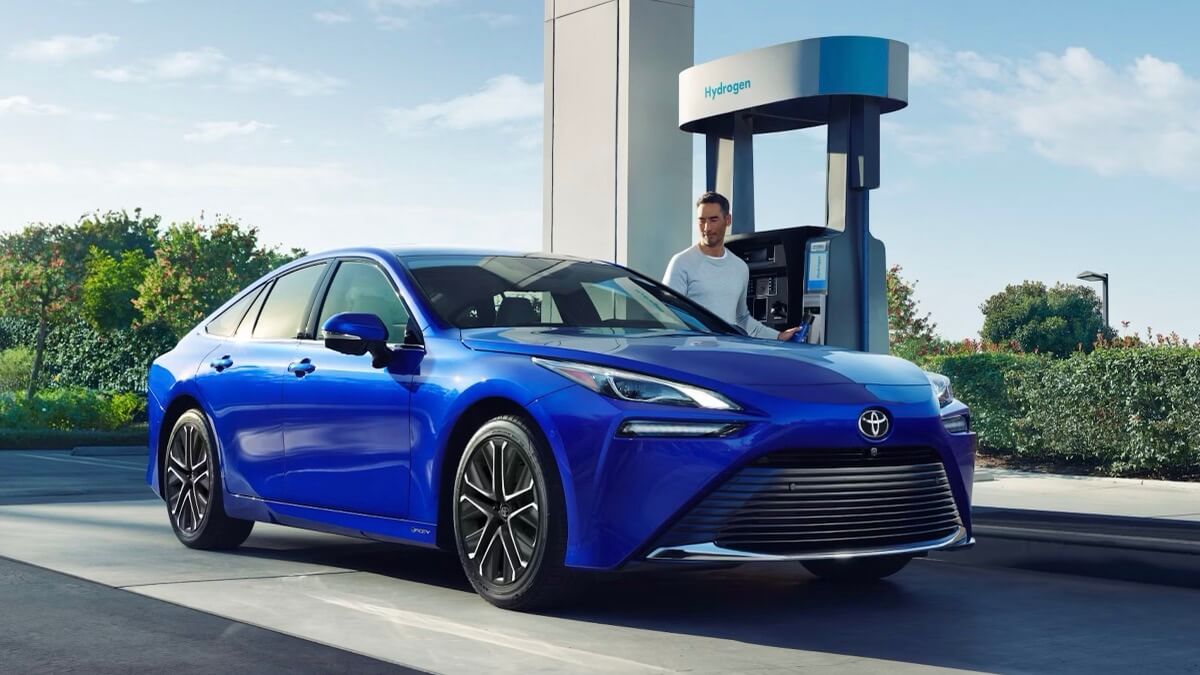
Toyota once believed hydrogen cars were the future. But with sales plummeting and infrastructure crumbling, even a 70% discount might not be enough to save the Mirai.
Toyota’s big bet on hydrogen cars isn’t going as planned. A decade ago, the carmaker thought hydrogen fuel cell vehicles (FCEVs) like the Mirai would be the future of clean transportation. But today, with slow sales and a lack of infrastructure, Toyota is rethinking its strategy—and offering massive discounts to keep the dream alive.
In 2024, Toyota sold just 499 Mirais worldwide, a huge drop from the 2,737 units sold in 2023. To boost sales, the Japanese manufacturer is offering discounts of up to 70% on the Mirai. In California, the only U.S. state with enough hydrogen fueling stations to make the car practical, buyers can get a $35,000 rebate on the base XLE model (bringing the price down to $15,190) or a $43,000 rebate on the higher−end Limited trim (dropping it to $24,115). Throw in 0% APR financing and $15,000 worth of free hydrogen fuel, and it sounds like a steal. But there’s a catch: owning a Mirai is still a headache.
The biggest problem is the lack of hydrogen infrastructure. As of 2024, there were only 54 hydrogen fueling stations in the entire U.S.—53 in California and one in Hawaii. Shell even closed all of its hydrogen stations in California, leading to a class-action lawsuit from frustrated Mirai owners. Without more stations, refueling becomes a hassle, and the Mirai’s real-world range of 230–270 miles (far less than the advertised 402 miles) means more frequent stops. High hydrogen prices don’t help either, making the Mirai a tough sell despite the discounts.
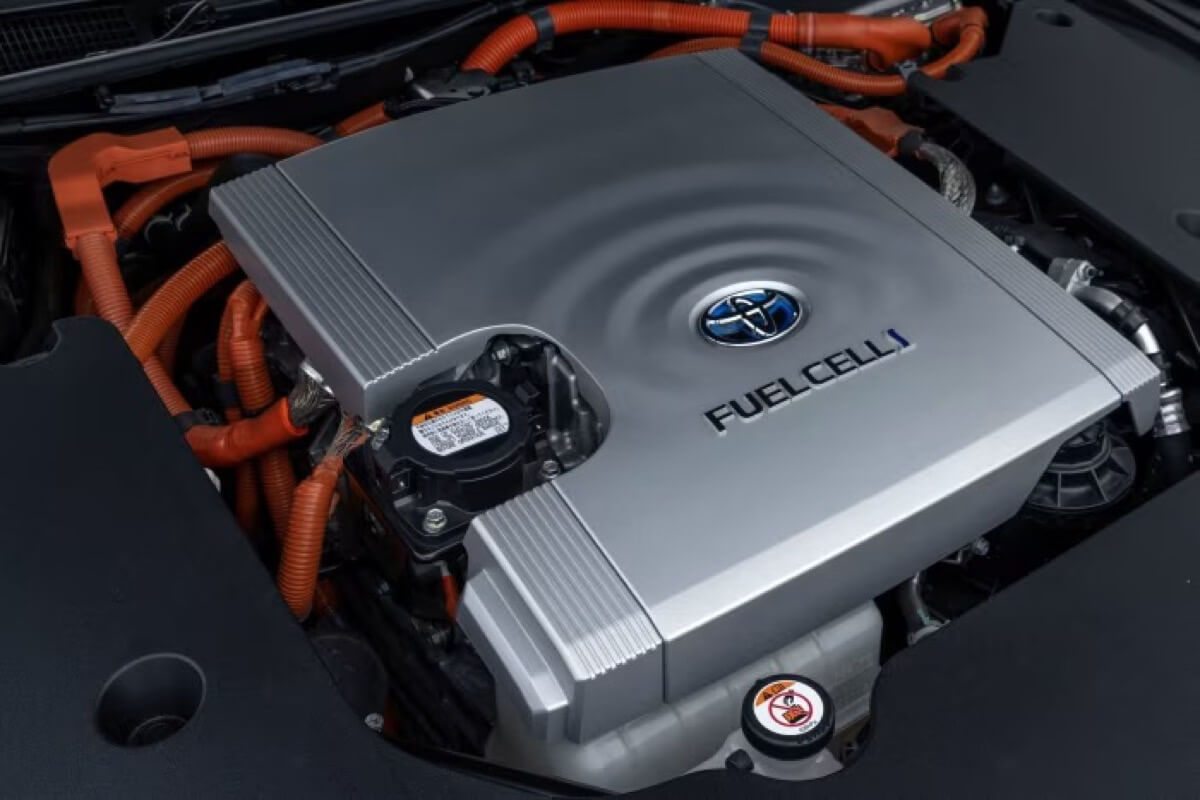
Toyota isn’t giving up on hydrogen entirely, though. The company is shifting its focus to commercial vehicles like trucks, buses, and vans, where hydrogen’s advantages—quick refueling and longer ranges—make more sense. In November 2023, Toyota unveiled a prototype hydrogen-electric hybrid van and is working with Isuzu Motors to mass-produce hydrogen fuel cell trucks. It’s also supplying hydrogen buses to cities like Tokyo, Strasbourg, and Madrid. For passenger cars, however, the future looks uncertain. Hiroki Nakajima, Toyota’s chief technology officer, admitted, “I can’t say for sure that it’s a bright future for hydrogen.”
Meanwhile, electric vehicles (EVs) are stealing the spotlight. Advances in battery technology and fierce competition, especially from China, have driven EV prices down, making them a more practical choice for most drivers. Analysts argue that with lithium-ion batteries already cheap and effective, investing in a whole new hydrogen supply chain might not be worth it. Hyundai, for example, reportedly loses $22,000 on every Nexo hydrogen SUV it sells, even with government subsidies.
Still, Toyota believes hydrogen has long-term potential. The brand is partnering with rivals like Hyundai and BMW to share development costs and keep the technology alive. Toyota’s leadership compares the current struggles to the early days of its hybrid Prius, which took a decade to gain traction. “If we give up on this technology, then we risk giving up on the future,” Nakajima said.
For now, though, the Mirai remains a niche product—a bold experiment that hasn’t quite paid off. With massive discounts, Toyota is trying to keep hydrogen cars on the road, but whether buyers will take the bait remains to be seen. What’s clear is that the future of hydrogen in passenger cars is far from certain, and Toyota’s dream of a hydrogen-powered world is still a long way off.




Should Toyota want to use hydrogen as a fuel then modify a fuel tank to fill up with H2O use frequency modulation to separate the Oxygen and Hydrogen pump the hydrogen into a pressure vessel then supplied by an EFI system to the engine, for power boost supply a small amount of oxygen.
Warning engine must be able to withstand temperatures and force created by this fuel, however as hydrogen engines have been made
it would be logical making the car separate hydrogen and be self sufficient using H2O instead of sparsely located delivery systems that fail to deliver sustainability over expense nor supplying an alternative non polluting and environmentally safer option than mining and producing lithium batteries.
So what if Governments can’t exploit and extort supply, having the best environmentally sound vehicle without polluting or contaminating the environment I would think Toyota with a reputation to uphold for reliability and IMO excellence toward transport holds more merit than the propaganda by governments regarding the environment and do nothing, lead by intelligence should be the hallmark of industry forcing governments to act for the betterment of the environment and everyone living on our home “Earth”.