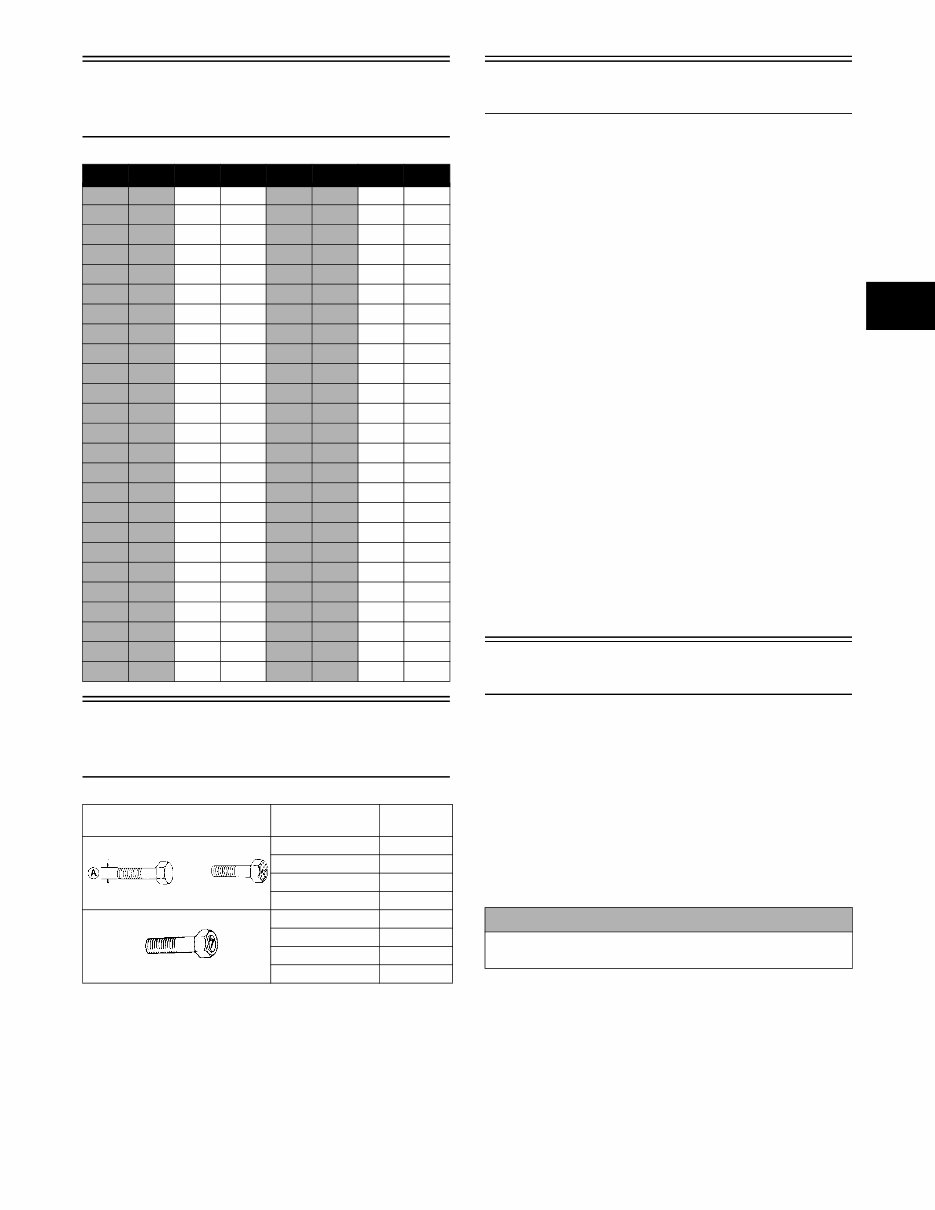
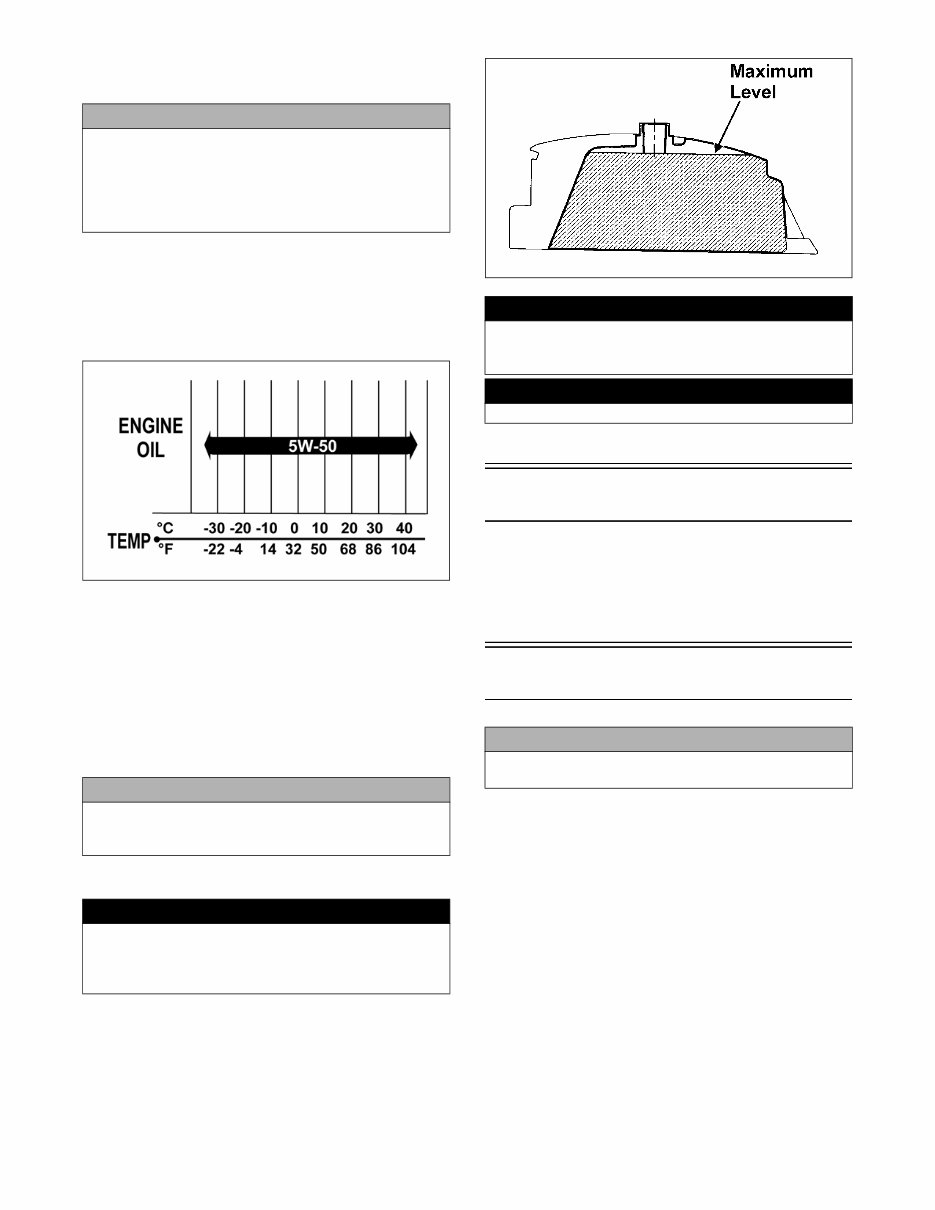
1-5 1 Torque Conversions (ft-lb/N-m) Tightening Torque (General Bolts) Break-In Procedure A new ATV and an overhauled ATV engine require a “break-in” period. The first 10 hours (or 200 miles) are most critical to the life of this ATV. Proper operation dur- ing this break-in period will help assure maximum life and performance from the ATV. During the first 10 hours (or 200 miles) of operation, always use less than 1/2 throttle. Varying the engine RPM during the break-in period allows the components to “load” (aiding the mating process) and then “unload” (allowing components to cool). Although it is essential to place some stress on the engine components during break-in, care should be taken not to overload the engine too often. Do not pull a trailer or carry heavy loads dur- ing the 10-hour break-in period. When the engine starts, allow it to warm up properly. Idle the engine several minutes until the engine has reached normal operating temperature. Do not idle the engine for excessively long periods of time. During the break-in period, a maximum of 1/2 throttle is recommended; however, brief full-throttle accelerations and variations in driving speeds contribute to good engine break-in. After the completion of the break-in period, the engine oil and oil filter should be changed. Other maintenance after break-in should include checking of all prescribed adjustments and tightening of all fasteners (see Periodic Maintenance Chart in Section 1). Gasoline - Oil - Lubricant RECOMMENDED GASOLINE The recommended gasoline to use is 87 minimum octane regular unleaded. In many areas, oxygenates (either etha- nol or MTBE) are added to the gasoline. Oxygenated gasolines containing up to 10% ethanol, 5% methane, or 5% MTBE are acceptable gasolines. When using ethanol blended gasoline, it is not necessary to add a gasoline antifreeze since ethanol will prevent the accumulation of moisture in the fuel system. ft-lb N-m ft-lb N-m ft-lb N-m ft-lb N-m 1 1.4 26 35.4 51 69.4 76 103.4 2 2.7 27 36.7 52 70.7 77 104.7 3 4.1 28 38.1 53 72.1 78 106.1 4 5.4 29 39.4 54 73.4 79 107.4 5 6.8 30 40.8 55 74.8 80 108.8 6 8.2 31 42.2 56 76.2 81 110.2 7 9.5 32 43.5 57 77.5 82 111.5 8 10.9 33 44.9 58 78.9 83 112.9 9 12.2 34 46.2 59 80.2 84 114.2 10 13.6 35 47.6 60 81.6 85 115.6 11 15 36 49 61 83 86 117 12 16.3 37 50.3 62 84.3 87 118.3 13 17.7 38 51.7 63 85.7 88 119.7 14 19 39 53 64 87 89 121 15 20.4 40 54.4 65 88.4 90 122.4 16 21.8 41 55.8 66 89.8 91 123.8 17 23.1 42 57.1 67 91.1 92 125.1 18 24.5 43 58.5 68 92.5 93 126.5 19 25.8 44 59.8 69 93.8 94 127.8 20 27.2 45 61.2 70 95.2 95 129.2 21 28.6 46 62.6 71 96.6 96 130.6 22 29.9 47 63.9 72 97.9 97 131.9 23 31.3 48 65.3 73 99.3 98 133.3 24 32.6 49 66.6 74 100.6 99 134.6 25 34 50 68 75 102 100 136 Type of Bolt Thread Diameter A (mm) Tightening Torque (Conventional or 4 Marked Bolt) 5 12-36 in.-lb 6 36-60 in.-lb 8 7-11 ft-lb 10 16-25 ft-lb (7 Marked Bolt) 5 24-48 in.-lb 6 6-8 ft-lb 8 13-20 ft-lb 10 29-43 ft-lb CAUTION Do not use white gas. Only Arctic Cat approved gaso- line additives should be used.
1-6 RECOMMENDED ENGINE/ TRANSMISSION OIL The recommended oil to use is Arctic Cat ACX All Weather synthetic engine oil, which has been specifically formulated for use in this Arctic Cat engine. Although Arctic Cat ACX All Weather synthetic engine oil is the only oil recommended for use in this engine, use of any API certified SM 5W-50 oil is acceptable. OILCHARTI RECOMMENDED FRONT DIFFERENTIAL/REAR DRIVE LUBRICANT The recommended lubricant is Arctic Cat Gear Lube or an equivalent gear lube which is SAE approved 80W-90 hypoid. This lubricant meets all of the lubrication requirements of the Arctic Cat ATV front differentials and rear drives. FILLING GAS TANK Since gasoline expands as its temperature rises, the gas tank must be filled to its rated capacity only. Expansion room must be maintained in the tank particularly if the tank is filled with cold gasoline and then moved to a warm area. ATV0049B Tighten the gas tank cap securely after filling the tank. Genuine Parts When replacement of parts is necessary, use only genuine Arctic Cat ATV parts. They are precision-made to ensure high quality and correct fit. Refer to the appropriate Illus- trated Parts Manual for the correct part number, quantity, and description. Preparation For Storage Arctic Cat recommends the following procedure to pre- pare the ATV for storage. 1. Clean the seat cushion (cover and base) with a damp cloth and allow it to dry. 2. Clean the ATV thoroughly by washing dirt, oil, grass, and other foreign matter from the entire ATV. Allow the ATV to dry thoroughly. DO NOT get water into any part of the engine or air intake. 3. Either drain the gas tank or add Fuel Stabilizer to the gas in the gas tank. Remove the air filter hous- ing cover and air filter. Start the engine and allow it to idle; then using Arctic Cat Engine Storage Preserver, rapidly inject the preserver into the air filter opening for a period of 10 to 20 seconds; then stop the engine. Install the air filter and hous- ing cover. CAUTION Any oil used in place of the recommended oil could cause serious engine damage. Do not use oils which contain graphite or molybdenum additives. These oils can adversely affect clutch operation. Also, not recom- mended are racing, vegetable, non-detergent, and cas- tor-based oils. CAUTION Any lubricant used in place of the recommended lubri- cant could cause serious front differential/rear drive damage. ! WARNING Always fill the gas tank in a well-ventilated area. Never add fuel to the ATV gas tank near any open flames or with the engine running. DO NOT SMOKE while filling the gas tank. ! WARNING Do not overflow gasoline when filling the gas tank. A fire hazard could materialize. Always allow the engine to cool before filling the gas tank. ! WARNING Do not over-fill the gas tank. CAUTION Prior to storing the ATV, it must be properly serviced to prevent rusting and component deterioration.
1-7 1 4. On the 650 drain the carburetor float chamber. 5. Plug the exhaust hole in the exhaust system with a clean cloth. 6. Apply light oil to the upper steering post bushing and plungers of the shock absorbers. 7. Tighten all nuts, bolts, cap screws, and screws. Make sure rivets holding components together are tight. Replace all loose rivets. Care must be taken that all calibrated nuts, cap screws, and bolts are tightened to specifications. 8. Fill the cooling system to the bottom of the stand pipe in the radiator neck with properly mixed coolant. 9. Disconnect the battery cables; then remove the battery, clean the battery posts and cables, and store in a clean, dry area. 10. Store the ATV indoors in a level position. Preparation After Storage Taking the ATV out of storage and correctly preparing it will assure many miles and hours of trouble-free riding. Arctic Cat recommends the following procedure to pre- pare the ATV. 1. Clean the ATV thoroughly. 2. Clean the engine. Remove the cloth from the exhaust system. 3. Check all control wires and cables for signs of wear or fraying. Replace if necessary. 4. Change the engine/transmission oil and filter. 5. Check the coolant level and add properly mixed coolant as necessary. 6. Charge the battery; then install. Connect the bat- tery cables. 7. Check the entire brake systems (fluid level, pads, etc.), all controls, headlights, taillight, brakelight, and headlight aim; adjust or replace as necessary. 8. Tighten all nuts, bolts, cap screws, and screws making sure all calibrated nuts, cap screws, and bolts are tightened to specifications. 9. Check tire pressure. Inflate to recommended pres- sure as necessary. 10. Make sure the steering moves freely and does not bind. 11. Check the spark plug(s). Clean or replace as nec- essary. CAUTION If the interior of the air filter housing is dirty, clean the area before starting the engine. CAUTION Avoid storing outside in direct sunlight and avoid using a plastic cover as moisture will collect on the ATV caus- ing rusting. CAUTION The ignition switch must be in the OFF position prior to installing the battery or damage may occur to the igni- tion system. CAUTION Connect the positive battery cable first; then the nega- tive.
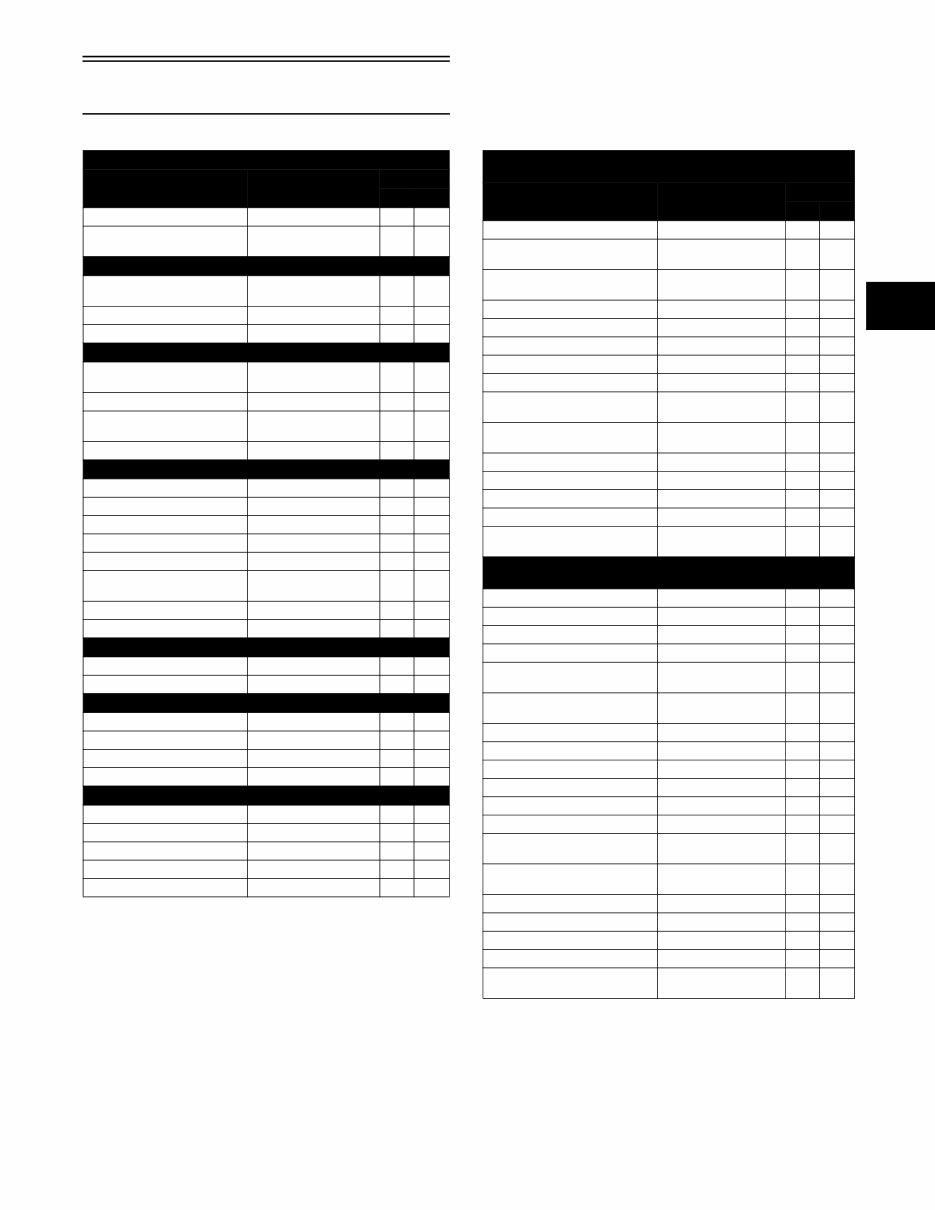
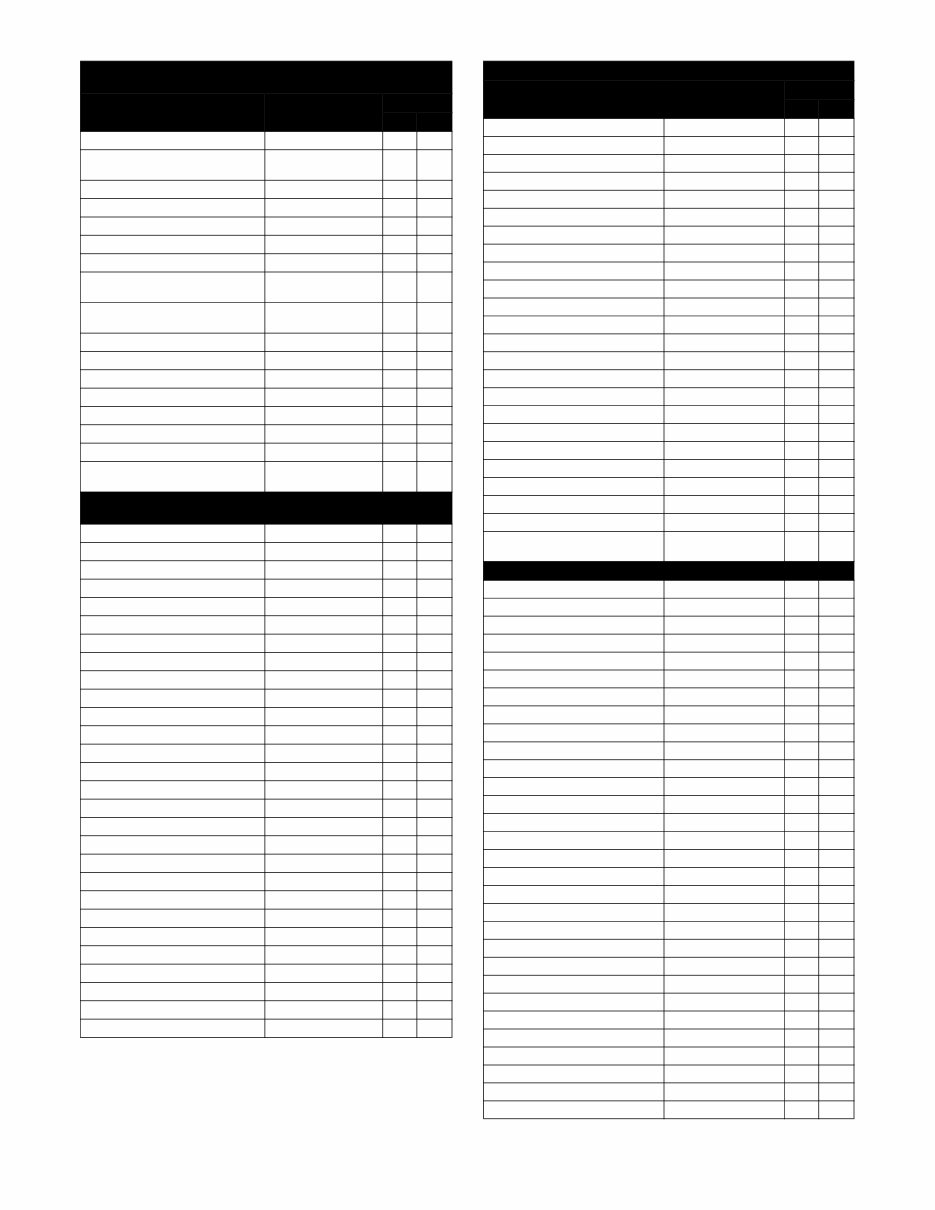
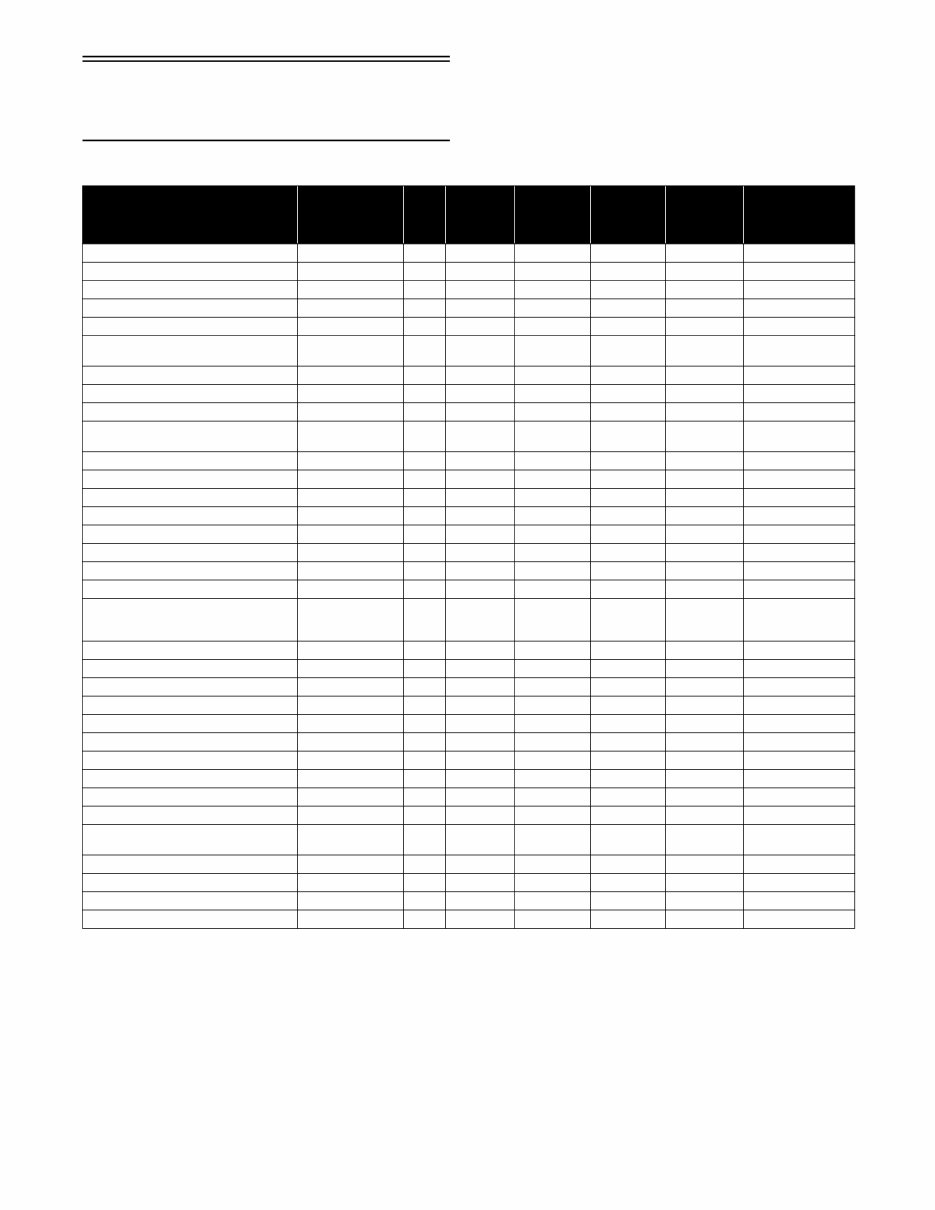
2-2 Periodic Maintenance Chart A = Adjust I = Inspect C = Clean L = Lubricate D = Drain R = Replace T = Tighten * Service/Inspect more frequently when operating in adverse conditions. ** When using an API certified SM 5W-50 oil. *** When using Arctic Cat ACX All Weather synthetic oil, oil change interval and strainer inspection can be increased to every 1,000 miles or every year. Item Initial Service After Break-In (First Month or 100 Miles) Every Day Every Month or Every 100 Miles Every 3 Months or Every 300 Miles Every 6 Months or Every 500 Miles Every Year or Every 1500 Miles As Needed Battery I I C Fuses I R Air Filter/Drain Tube I I C* R Valve/Tappet Clearance I I A Engine Compression I Spark Plug(s) I I R (4000 Mi or 18 Mo) Muffler/Spark Arrester C R Gas/Vent Hoses I I R (2 Yrs) Throttle Cable I I C-L A-R Carburetor Float Chamber (650) D* Engine Idle RPM (650) I I A Engine-Transmission Oil Level I A Engine-Transmission Oil/Filter R R*/R**/R*** R Oil Strainer I I C Front Differential/Rear Drive Lubricant I I R (4 Yrs) Tires/Air Pressure I I R Steering Components I I I R V-Belt I l R Suspension (Ball joint boots, drive axle boots front and rear, tie rods, differential and rear drive bellows) I I R Nuts/Cap Screws/Screws I I T Ignition Timing I Headlight/Taillight-Brakelight I I R Switches I I R Shift Lever I A-L Handlebar Grips I R Handlebar I I R Gauges/Indicators I I R Frame/Welds/Racks I l Electrical Connections I l C Complete Brake System (Hydraulic & Auxiliary) I I C L-R Brake Pads I I* R Brake Fluid I I R (2 Yrs) Brake Hoses I I R (4 Yrs) Coolant/Cooling System I I R (2 Yrs)
2011 Arctic Cat 450/550/650/700/1000 ATVs OEM Service & Repair Manual
Models covered:
Arctic Cat 450
Arctic Cat 550
Arctic Cat 650
Arctic Cat 700
Arctic Cat 1000
This OEM service and repair manual for the 2011 Arctic Cat 450, 550, 650, 700, and 1000 ATVs provides comprehensive technical guidance for routine maintenance, diagnostics, and mechanical repairs. It includes step-by-step instructions, factory-recommended service intervals, and troubleshooting procedures to ensure reliable performance in rugged environments.
The manual covers key systems, including the engine, transmission, drivetrain, suspension, brakes, and electrical components. Factory-authorized wiring diagrams, torque specifications, and exploded parts illustrations are included to support both minor servicing tasks and complex mechanical overhauls.
Available in a digital format for quick access, this manual can be used on computers or mobile devices, making it practical for workshop or field repairs. Whether you’re a professional technician or an experienced rider maintaining your ATV, this service and repair manual is a critical resource for keeping your 2011 Arctic Cat 450 to 1000 series ATVs running at their best.
Printable: Yes Language: English Compatibility: Pretty much any electronic device, incl. PC & Mac computers, Android and Apple smartphones & tablet, etc. Requirements: Adobe Reader (free)
Recently Viewed
5,521,897Happy Clients
2,594,462eManuals
1,120,453Trusted Sellers
15Years in Business
Price:
Actual Price:
2011 Arctic Cat 450/550/650/700/1000 ATVs OEM Service & Repair Manual



 Lifetime Access