INTRODUCTION This is the second edition of the Transport Canada Helicopter Flight Training Manual. The Manual has been prepared for the use of student pilots learning to fly, pilots improving their qualifications, and flight instructors in the conduct of instruction for student pilots. It provides information and direction in the introduction and performance of flight training manoeuvres as well as basic information related to flight training courses. In preparing this manual, the objective was to provide progressive study material using basic terms and language aligned to pilot training at the elementary level. A working knowledge of the information contained in this manual will enable the student to receive maximum benefit from the air exercises. It should be pointed out that the air exercises have been addressed in a logical suggested progression, but they can be adjusted to conform to any school’s syllabus. i
INTENTIONALLY LEFT BLANK ii
TABLE OF CONTENTS INTRODUCTION .................................................................................................................. I EXERCISE 1 - FAMILIARIZATION..................................................................................... 1 FLIGHT INSTRUMENTS ................................................................................................................................. 2 ENGINE INSTRUMENTS ................................................................................................................................ 3 EXERCISE 2 - PREPARATION FOR FLIGHT ................................................................... 5 FLIGHT PLANNING ......................................................................................................................................... 6 AIRCRAFT DOCUMENTS............................................................................................................................... 6 WEIGHT AND BALANCE ................................................................................................................................ 7 THE INFLUENCES OF C OF G IN FLIGHT ................................................................................................... 7 INSPECTION OF THE AIRCRAFT ................................................................................................................. 8 EXERCISE 3 - EFFECTS OF CONTROLS ...................................................................... 10 ADJUSTING THE CONTROLS ..................................................................................................................... 10 CYCLIC STICK............................................................................................................................................... 10 COLLECTIVE LEVER .................................................................................................................................... 12 THROTTLE..................................................................................................................................................... 12 TAIL ROTOR PEDALS .................................................................................................................................. 13 ANCILLARY CONTROLS.............................................................................................................................. 14 CARBURETTOR HEAT CONTROL AND MIXTURE CONTROL................................................................ 14 WINDSHIELD DEFOGGING ......................................................................................................................... 17 ENGINE ANTI-ICING ..................................................................................................................................... 17 HYDRAULIC SYSTEM .................................................................................................................................. 18 ROTOR BRAKE ............................................................................................................................................. 18 HEATER ......................................................................................................................................................... 18 EXERCISE 4 - AIRSPEED AND POWER CHANGES STRAIGHT AND LEVEL FLIGHT ........................................................................................ 19 CHANGING AIRSPEED ................................................................................................................................ 19 POWER CHANGES....................................................................................................................................... 19 STRAIGHT AND LEVEL FLIGHT.................................................................................................................. 20 EXERCISE 5 - CLIMBS AND DESCENTS....................................................................... 22 CLIMBS .......................................................................................................................................................... 22 DESCENTS .................................................................................................................................................... 23 EXERCISE 6 - TURNS ...................................................................................................... 24 LOAD FACTOR.............................................................................................................................................. 25 STANDARD RATE TURNS ........................................................................................................................... 28 EXERCISE 7 - AUTOROTATIONS 1 (UPPER AIR) ........................................................ 29 CHECKS......................................................................................................................................................... 29 ENTRY............................................................................................................................................................ 30 TURNING ....................................................................................................................................................... 31 OVERSHOOTING.......................................................................................................................................... 31 iii
EXERCISE 8 - HOVERING ............................................................................................... 32 EFFECTS OF CONTROLS ........................................................................................................................... 33 THE CYCLIC .................................................................................................................................................. 33 THE COLLECTIVE......................................................................................................................................... 34 THE PEDALS ................................................................................................................................................. 34 VISUAL CUES................................................................................................................................................ 35 SUMMARY ..................................................................................................................................................... 35 EXERCISE 9 - TAKEOFF AND LANDING....................................................................... 36 TAKEOFF TO THE HOVER .......................................................................................................................... 36 HOVER CHECK ............................................................................................................................................. 37 THE LANDING ............................................................................................................................................... 37 EXERCISE 10 - HOVERING EXERCISES ....................................................................... 38 PEDAL TURNS AT THE HOVER (TURNS AROUND THE MAST) ............................................................ 38 HOVER-TAXIING ........................................................................................................................................... 39 EXERCISE 11 - ENGINE FAILURE ................................................................................. 41 ENGINE FAILURE AT THE HOVER/HOVER-TAXI ................................................................................... 41 HOVERING ENGINE FAILURE .................................................................................................................... 41 HOVER-TAXI ENGINE FAILURE ................................................................................................................. 41 EXERCISE 12 - TRANSITIONS ........................................................................................ 43 TRANSITION TO THE CLIMB....................................................................................................................... 43 TRANSITION FROM STRAIGHT AND LEVEL FLIGHT TO HOVER.......................................................... 45 HEIGHT REDUCTION ................................................................................................................................... 45 SPEED REDUCTION .................................................................................................................................... 45 OVERSHOOTING FROM THE TRANSITION TO THE HOVER................................................................. 46 EXERCISE 13 - AUTOROTATIONS 2 (LANDINGS) ....................................................... 47 POWER RECOVERY .................................................................................................................................... 48 EXERCISE 14 - EMERGENCIES...................................................................................... 49 EXERCISE 15 - THE CIRCUIT ......................................................................................... 50 FLYING THE CIRCUIT .................................................................................................................................. 50 RACETRACK PATTERN ............................................................................................................................... 51 SQUARE PATTERN ...................................................................................................................................... 52 SPACING ....................................................................................................................................................... 53 WAKE TURBULENCE ................................................................................................................................... 53 AIR TRAFFIC SERVICES (ATS) ................................................................................................................... 54 FIRST SOLO .................................................................................................................................................. 54 EXERCISE 16 - SIDEWAYS AND REARWARDS FLIGHT............................................. 56 SIDEWAYS FLIGHT ...................................................................................................................................... 56 REARWARD FLIGHT .................................................................................................................................... 57 TURNS AROUND THE TAIL ......................................................................................................................... 58 TURNS AROUND THE NOSE ...................................................................................................................... 58 EXERCISE 17 - STEEP TURNS ....................................................................................... 60 iv
EXERCISE 18 - AUTOROTATIONS 3 (RANGE VARIATIONS) ..................................... 61 AIRMANSHIP ................................................................................................................................................. 61 EXTENDING THE RANGE............................................................................................................................ 62 MAXIMUM RANGE AUTOROTATION ......................................................................................................... 62 REDUCING THE RANGE.............................................................................................................................. 62 EXERCISE 19 - PRACTICE FORCED APPROACHES................................................... 66 DISTRESS CALL ........................................................................................................................................... 67 EXERCISE 20 - PILOT NAVIGATION .............................................................................. 68 PREPARING FOR THE FLIGHT................................................................................................................... 68 WEATHER...................................................................................................................................................... 69 CHARTS ......................................................................................................................................................... 69 THE ROUTE................................................................................................................................................... 69 PREPARING THE CHART ............................................................................................................................ 70 THE FLIGHT PLANNING FORM .................................................................................................................. 72 TRACK LINE MEASUREMENT .................................................................................................................... 72 AIRSPEED CORRECTIONS ......................................................................................................................... 72 WIND VELOCITY (W/V) ................................................................................................................................ 73 NAVIGATION LOG ........................................................................................................................................ 73 FLIGHT PLAN AND FLIGHT ITINERARY .................................................................................................... 74 GENERAL TECHNIQUE ............................................................................................................................... 74 MAP READING .............................................................................................................................................. 74 THE FLIGHT................................................................................................................................................... 82 DIVERTING TO AN ALTERNATE DESTINATION....................................................................................... 83 EXERCISE 21 - RAPID DECELERATIONS ..................................................................... 88 INTO WIND .................................................................................................................................................... 88 DOWNWIND (180° EMERGENCY TURN) ................................................................................................... 89 EXERCISE 22 - LOW LEVEL OPERATIONS .................................................................. 91 CONSIDERATIONS ...................................................................................................................................... 91 EXERCISE 23 - SLOPING GROUND ............................................................................... 95 RECONNAISSANCE ..................................................................................................................................... 95 MANOEUVRING ............................................................................................................................................ 96 LANDING........................................................................................................................................................ 96 TAKEOFF ....................................................................................................................................................... 97 GENERAL ...................................................................................................................................................... 97 EXERCISE 24 - ADVANCED TAKEOFFS AND LANDINGS .......................................... 99 NO-HOVER TAKEOFF.................................................................................................................................. 99 CUSHION TAKEOFF................................................................................................................................... 100 TOWERING TAKEOFF................................................................................................................................ 100 VERTICAL TAKEOFF .................................................................................................................................. 101 NO-HOVER LANDING................................................................................................................................. 102 RUN-ON LANDING...................................................................................................................................... 102 APPROACHES ............................................................................................................................................ 102 EXERCISE 25 - CONFINED AREAS.............................................................................. 103 v
EXERCISE 26 - VORTEX RING ..................................................................................... 107 EXERCISE 27 - PRACTICAL LOADING AND MAXIMUM WEIGHT OPERATIONS ................................................................... 109 POWER REQUIREMENTS ......................................................................................................................... 109 LOADING AND UNLOADING CARGO....................................................................................................... 109 PASSENGERS............................................................................................................................................. 109 EXERCISE 28 - SLING LOAD OPERATIONS ............................................................... 110 PRE-FLIGHT CHECKS................................................................................................................................ 110 PICKING UP THE LOAD ............................................................................................................................. 112 THE TAKEOFF............................................................................................................................................. 112 APPROACH TO RELEASE POINT ............................................................................................................ 112 RELEASING THE LOAD ............................................................................................................................. 113 SAFETY PRECAUTIONS............................................................................................................................ 113 UNUSUAL LOADS....................................................................................................................................... 113 OPERATIONAL TIPS .................................................................................................................................. 115 EXERCISE 29 - TYPE CONVERSION ........................................................................... 118 KNOWLEDGE .............................................................................................................................................. 118 SYSTEMS AND PROCEDURES ................................................................................................................ 118 PERFORMANCE ......................................................................................................................................... 118 EXPERIENCE .............................................................................................................................................. 119 EXERCISE 30 - INSTRUMENT FLYING ........................................................................ 120 AIRCRAFT CONTROL ................................................................................................................................ 120 ATTITUDE CONTROL ................................................................................................................................. 121 POWER CONTROL ..................................................................................................................................... 121 CONTROL AND PERFORMANCE INSTRUMENTS ................................................................................. 122 PITCH ATTITUDE CONTROL..................................................................................................................... 123 BANK ATTITUDE CONTROL...................................................................................................................... 124 TRIM ............................................................................................................................................................. 124 THE RADIAL SCAN ..................................................................................................................................... 125 APPLYING THE SCANNING PATTERN .................................................................................................... 125 INSTRUMENT EXERCISES ....................................................................................................................... 128 STRAIGHT AND LEVEL FLIGHT................................................................................................................ 128 CLIMB ........................................................................................................................................................... 128 DESCENTS .................................................................................................................................................. 129 TURNS ......................................................................................................................................................... 129 UNUSUAL ATTITUDES............................................................................................................................... 129 RULE OF THUMB: ....................................................................................................................................... 130 EMERGENCIES/MALFUNCTIONS ............................................................................................................ 130 EXERCISE 31 - NIGHT FLYING #1 ................................................................................ 131 PLANNING ................................................................................................................................................... 131 CIRCUITS..................................................................................................................................................... 132 EMERGENCIES........................................................................................................................................... 133 EXERCISE 31 - NIGHT FLYING #2 ................................................................................ 134 INTRODUCTION.......................................................................................................................................... 134 PLANNING ................................................................................................................................................... 134 EN ROUTE ................................................................................................................................................... 134 vi
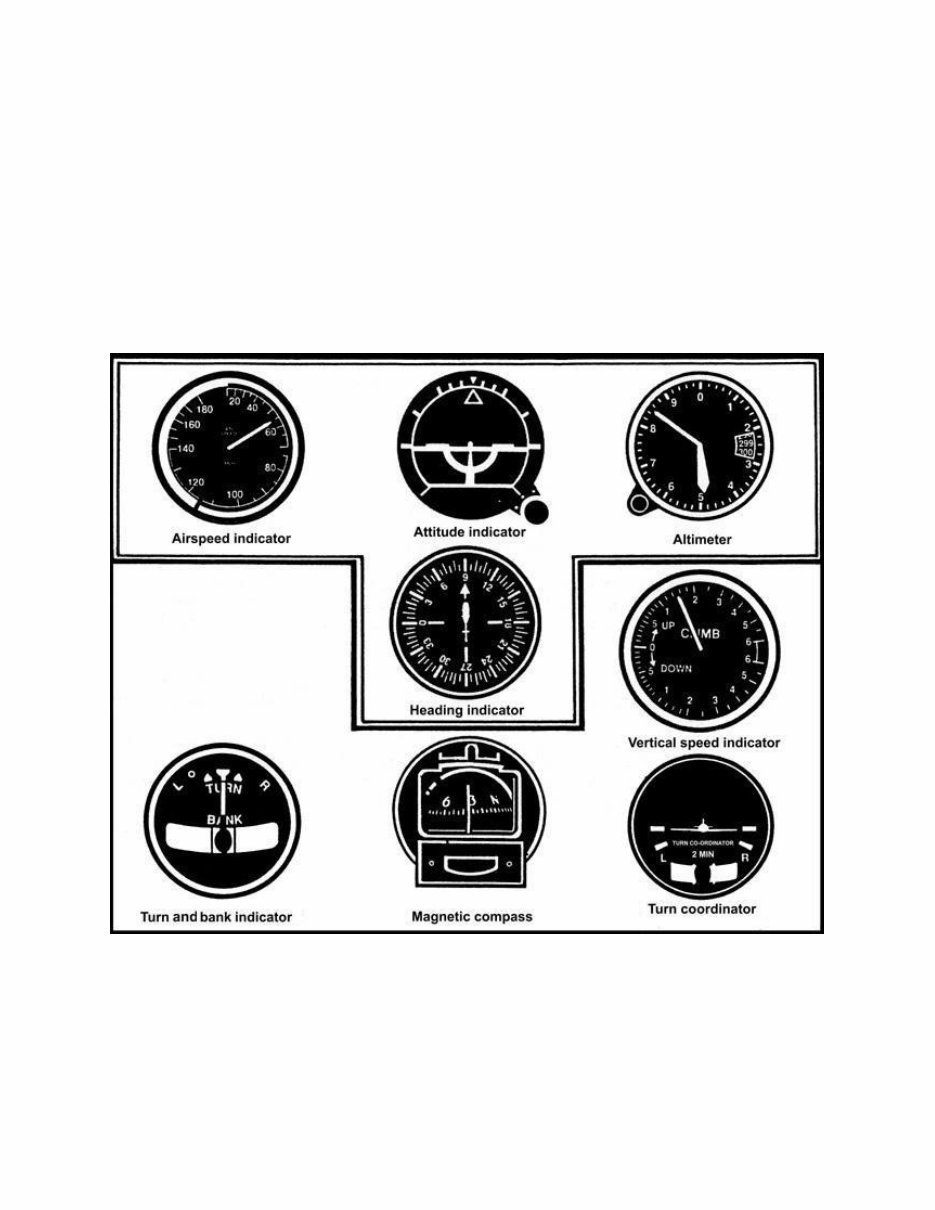
EXERCISE 1 - FAMILIARIZATION The first exercise will not normally involve any detailed training, but will consist of a flight during which your role as student will be mainly that of observer, even though you will occupy the seat from which you will subsequently fly. This flight will begin to accustom you to the sensation of flying, and to the appearance of the country from the air. However, it is the flight instructor’s prerogative to take a more positive approach to instruction at this time, and may also include some part of Exercise 3: “Effects of Controls”. In preparation for this flight your instructor will first accustom you to the cockpit layout, including the flight and engine instruments (Fig 1-1 and 1-2). The arrangement shown is the most common but you may well find that the helicopter you are flying is slightly different. Figure 1-1: Flight Instruments 1
FLIGHT INSTRUMENTS 1. AIRSPEED INDICATOR. This instrument indicates the speed of the helicopter through the air in which it is flying; it relates only indirectly to the speed of the helicopter over the ground. It may indicate speed in miles per hour or knots. 2. ALTIMETER. This is a pressure sensitive instrument that, if properly set, indicates the altitude at which the helicopter is flying. The customary procedure is to set the instrument so that it indicates height above sea level (ASL). When used this way the indication on the altimeter will be that of the elevation of the airport when the helicopter is on the ground. 3. TURN AND BANK INDICATOR. The needle portion of this instrument indicates whether the helicopter is turning, together with the direction and rate of turn. The ball portion of the instrument is fundamentally a reference for coordination of controls. In co-ordinated flight the ball will be centred in its curved glass tube. Instead of a turn and bank indicator the helicopter may be equipped with a turn coordinator, which provides basically the same information with a different display. 4. MAGNETIC COMPASS. This is the basic reference for heading information. The compass correction card indicates the corrected heading to steer to allow for compass deviation. 5. HEADING INDICATOR. This gyroscopic instrument has no magnetic qualities of its own and therefore must be set periodically by reference to the magnetic compass. Its main asset is that it provides a stable directional reference, and unlike the compass is relatively free from error during turns, acceleration, and deceleration in normal flight manoeuvres. 6. ATTITUDE INDICATOR. This is a gyroscopic instrument. It provides the pilot with an artificial horizon, which together with a miniature aircraft superimposed on its face enables the pilot to determine the aircraft’s attitude relative to the real horizon. 7. VERTICAL SPEED INDICATOR. This is a pressure sensitive instrument, which indicates the rate at which the helicopter is climbing or descending in feet per minute. 8. OUTSIDE AIR TEMPERATURE GAUGE. This is not a flight instrument, but is a valuable aid to flight safety since its indications can help the pilot assess the possibility of icing conditions. The instrument usually registers outside air temperature (OAT) in both degrees Celsius and Fahrenheit. 2
This Helicopter Training Manual is designed to assist student pilots, pilots seeking enhanced qualifications, and flight instructors guiding student pilots. It provides valuable guidance on flight training maneuvers and essential information for effective helicopter operation.
The manual offers progressive study material using accessible language suitable for early pilot training. A solid understanding of the concepts will help maximize the benefits during air exercises.
The training exercises are logically structured in a suggested progression, with flexibility to adapt to various training programs.
Key features include:
Familiarization
Preparation for Flight
Effect of Controls
Airspeed and Power Changes in Straight and Level Flight
Climbs and Descents
Turns
Autorotations 1 (Upper Air)
Hovering
Take Off and Landing
Hovering Exercises
Engine Failure
Transitions
Autorotations 2 (Landing)
Emergencies
The Circuit
Sideways and Rearward Flight
Steep Turns
Autorotations 3 (Range Variations)
Practice Forced Approaches
Pilot Navigation
Rapid Decelerations
Low Level Operations
Sloping Ground
Advanced TakeOffs and Landings
Confined Areas
Vortex Ring
Practical Loading and Maximum Weight Operations
Sling Load Operations
Type Conversion
Instrument Flying
Night Flying 1
Night Flying 2
This manual is designed with clarity in mind and includes detailed illustrations to facilitate study and practical application. It is a valuable resource for both professional mechanics and DIY repair enthusiasts aiming to enhance their understanding of helicopter flight training.



 Lifetime Access