


0-1
dummyhead dummyhead
HOW TO USE THIS MANUAL
HOW TO USE THIS MANUAL
A Few Words About Safety
Service Information
The service and repair information contained in this manual is intended for use by qualified, professional technicians. Attempting
service or repairs without the proper training, tools, and equipment could cause injury to you or others. It could also damage the
vehicle or create an unsafe condition.
This manual describes the proper methods and procedures for performing service, maintenance and repairs. Some procedures
require the use of specially designed tools and dedicated equipment. Any person who intends to use a replacement part, service
procedure or a tool that is not recommended by Honda, must determine the risks to their personal safety and the safe operation of
the vehicle.
If you need to replace a part, use Honda Genuine parts with the correct part number or an equivalent part. We strongly recommend
that you do not use replacement parts of inferior quality.
For Your Customer’s Safety
Proper service and maintenance are essential to the customer’s safety and the reliability of the vehicle. Any error or oversight while
servicing a vehicle can result in faulty operation, damage to the vehicle, or injury to others.
For Your Safety
Because this manual is intended for the professional service technician, we do not provide warnings about many basic shop safety
practices (e.g., Hot parts–wear gloves). If you have not received shop safety training or do not feel confident about your knowledge
of safe servicing practice, we recommended that you do not attempt to perform the procedures described in this manual.
Some of the most important general service safety precautions are given below. However, we cannot warn you of every
conceivable hazard that can arise in performing service and repair procedures. Only you can decide whether or not you should
perform a given task.
Important Safety Precautions
Make sure you have a clear understanding of all basic shop safety practices and that you are wearing appropriate clothing and
using safety equipment. When performing any service task, be especially careful of the following:
• Read all of the instructions before you begin, and make sure you have the tools, the replacement or repair parts, and the skills
required to perform the tasks safely and completely.
• Protect your eyes by using proper safety glasses, goggles or face shields any time you hammer, drill, grind, pry or work around
pressurized air or liquids, and springs or other stored-energy components. If there is any doubt, put on eye protection.
• Use other protective wear when necessary, for example gloves or safety shoes. Handling hot or sharp parts can cause severe
burns or cuts. Before you grab something that looks like it can hurt you, stop and put on gloves.
• Protect yourself and others whenever you have the vehicle up in the air. Any time you lift the vehicle, either with a hoist or a jack,
make sure that it is always securely supported. Use jack stands.
Make sure the engine is off before you begin any servicing procedures, unless the instruction tells you to do otherwise. This will
help eliminate several potential hazards:
• Carbon monoxide poisoning from engine exhaust. Be sure there is adequate ventilation whenever you run the engine
• Burns from hot parts or coolant. Let the engine and exhaust system cool before working in those areas.
• Injury from moving parts. If the instruction tells you to run the engine, be sure your hands, fingers and clothing are out of the way.
Gasoline vapors and hydrogen gases from batteries are explosive. To reduce the possibility of a fire or explosion, be careful when
working around gasoline or batteries.
• Use only a nonflammable solvent, not gasoline, to clean parts.
• Never drain or store gasoline in an open container.
• Keep all cigarettes, sparks and flames away from the battery and all fuel-related parts.
Improper service or repairs can create an unsafe
condition that can cause your customer or others to
be seriously hurt or killed.
Follow the procedures and precautions in this
manual and other service materials carefully.
Failure to properly follow instructions and
precautions can cause you to be seriously hurt or
killed.
Follow the procedures and precautions in this
manual carefully.
0-2
dummyhead dummyhead
HOW TO USE THIS MANUAL
How To Use This Manual
This manual describes the service procedures for the CRF250L.
Sections 1 and 3 apply to the whole motorcycle. Section 2 illustrates procedures for removal/installation of components that may be
required to perform service described in the following sections.
Section 4 through 20 describe parts of the motorcycle, grouped according to location.
Follow the Maintenance Schedule recommendations to ensure that the motorcycle is in peak operating condition.
Performing the first scheduled maintenance is very important. It compensates for the initial wear that occurs during the break-in
period.
Find the section you want on this page, then turn to the table of contents on the first page of the section.
Most sections start with an assembly or system illustration, service information and troubleshooting for the section. The subsequent
pages give detailed procedure.
Refer to the troubleshooting in each section according to the malfunction or symptom. In case of an engine trouble, refer to PGM-FI
section troubleshooting first.
As you read this manual, you will find information that is preceded by a symbol. The purpose of this message is to help
prevent damage to your vehicle, other property, or the environment.
© Honda Motor Co., Ltd.
SERVICE PUBLICATION OFFICE
Date of Issue: June, 2012
Your safety, and the safety of others, is very important. To help you make informed decisions we have provided safety
messages and other information throughout this manual. Of course, it is not practical or possible to warn you about all the
hazards associated with servicing this vehicle.
You must use your own good judgement.
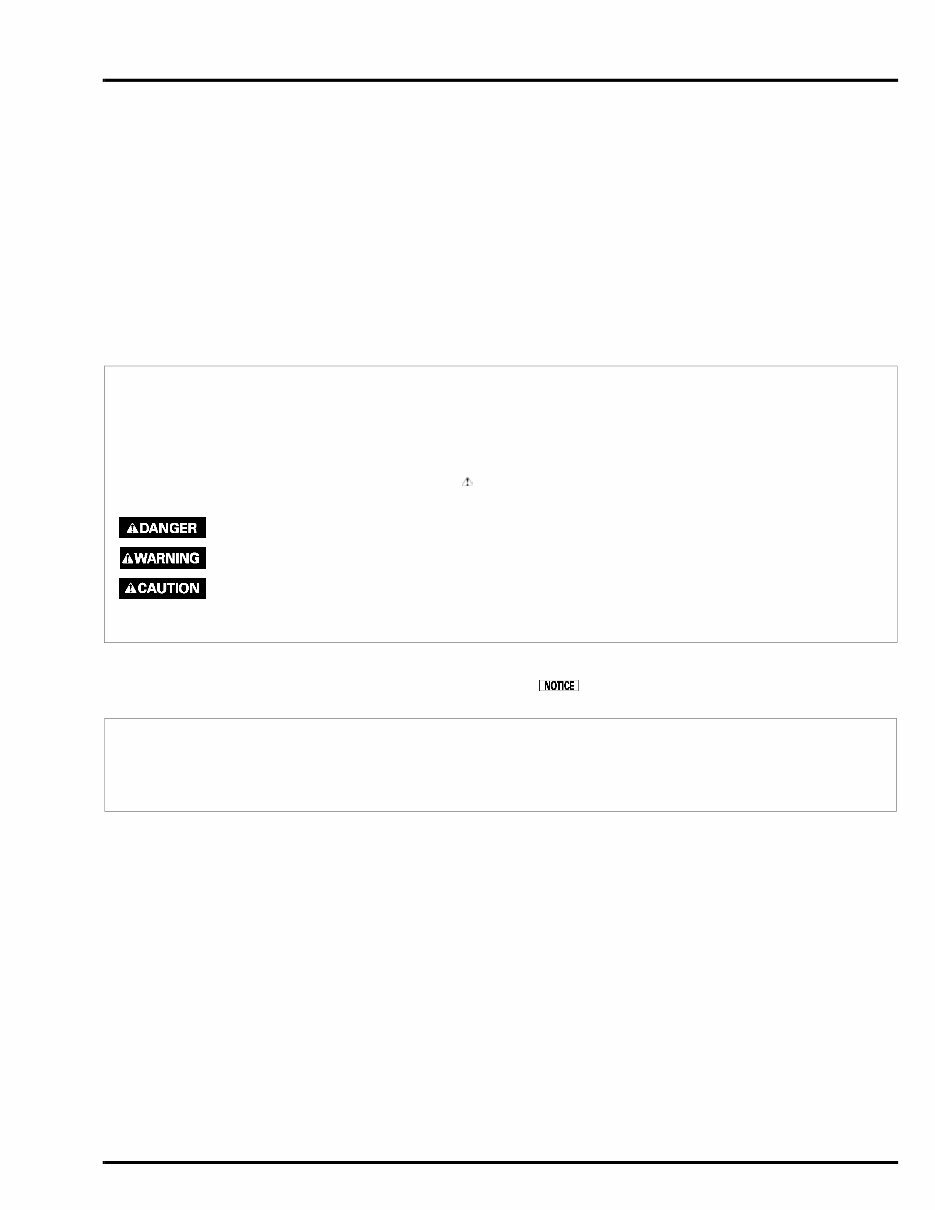
You will find important safety information in a variety of forms including:
• Safety Labels – on the vehicle
• Safety Messages – preceded by a safety alert symbol and one of three signal words, DANGER, WARNING, or CAUTION.
These signal words mean:
You WILL be KILLED or SERIOUSLY HURT if you don’t follow instructions.
You CAN be KILLED or SERIOUSLY HURT if you don’t follow instructions.
You CAN be HURT if you don’t follow instructions.
• Instructions – how to service this vehicle correctly and safely.
ALL INFORMATION, ILLUSTRATIONS, DIRECTIONS AND SPECIFICATIONS INCLUDED IN THIS PUBLICATION ARE
BASED ON THE LATEST PRODUCT INFORMATION AVAILABLE AT THE TIME OF APPROVAL FOR PRINTING. Honda
Motor Co., Ltd. RESERVES THE RIGHT TO MAKE CHANGES AT ANY TIME WITHOUT NOTICE AND WITHOUT
INCURRING ANY OBLIGATION WHATSOEVER. NO PART OF THIS PUBLICATION MAY BE REPRODUCED WITHOUT
WRITTEN PERMISSION. THIS MANUAL IS WRITTEN FOR PERSONS WHO HAVE ACQUIRED BASIC KNOWLEDGE OF
MAINTENANCE ON Honda MOTORCYCLES, MOTOR SCOOTERS OR ATVS.
0-3
dummyhead dummyhead
HOW TO USE THIS MANUAL
SYMBOLS
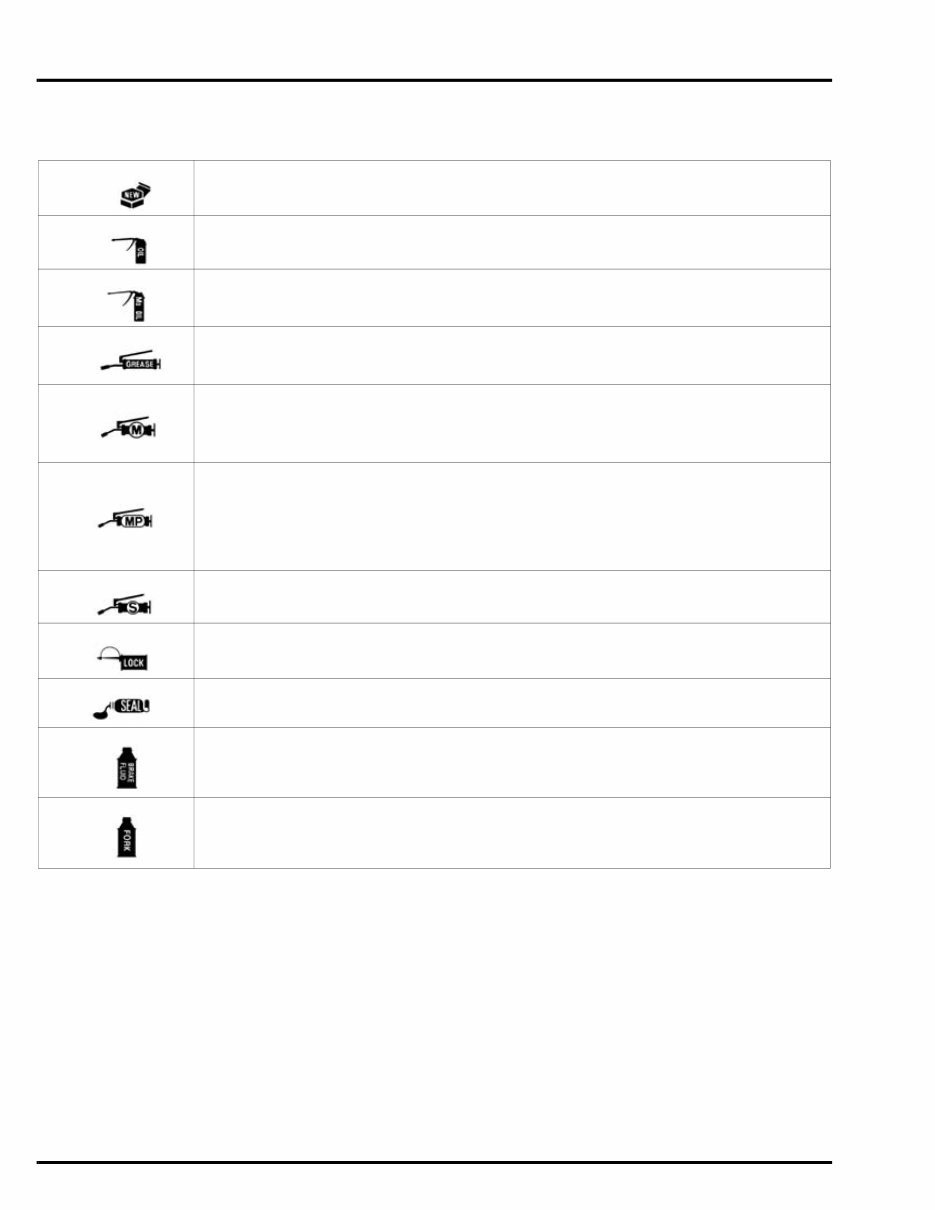
The symbols used throughout this manual show specific service procedures. If supplementary information is required pertaining to
these symbols, it would be explained specifically in the text without the use of the symbols.
Replace the part(s) with new one(s) before assembly.
Use the recommend engine oil, unless otherwise specified.
Use molybdenum oil solution (mixture of the engine oil and molybdenum grease in a ratio of 1:1).
Use multi-purpose grease (lithium based multi-purpose grease NLGI #2 or equivalent).
Use molybdenum disulfide grease (containing more than 3% molybdenum disulfide, NLGI #2 or
equivalent).
Example:
• Molykote® BR-2 plus manufactured by Dow Corning U.S.A.
• Multi-purpose M-2 manufactured by Mitsubishi Oil, Japan
Use molybdenum disulfide paste (containing more than 40% molybdenum disulfide, NLGI #2 or
equivalent).
Example:
• Molykote® G-n Paste manufactured by Dow Corning U.S.A.
• Honda Moly 60 (U.S.A. only)
• Rocol ASP manufactured by Rocol Limited, U.K.
• Rocol Paste manufactured by Sumico Lubricant, Japan
Use silicone grease.
Apply locking agent. Use a medium strength locking agent unless otherwise specified.
Apply sealant.
Use DOT 3 or DOT 4 brake fluid. Use the recommended brake fluid unless otherwise specified.
Use fork or suspension fluid.
CONTENTS
dummyhead dummyhead
GENERAL INFORMATION
1
FRAME/BODY PANELS/EXHAUST SYSTEM
2
MAINTENANCE
3
PGM-FI SYSTEM
4
IGNITION SYSTEM
5
ELECTRIC STARTER SYSTEM
6
FUEL SYSTEM
7
LUBRICATION SYSTEM
8
COOLING SYSTEM
9
CYLINDER HEAD/VALVES
10
CYLINDER/PISTON
11
CLUTCH/GEARSHIFT LINKAGE
12
ALTERNATOR/STARTER CLUTCH
13
CRANKCASE/CRANKSHAFT/TRANSMISSION/BALANCER
14
ENGINE REMOVAL/INSTALLATION
15
FRONT WHEEL/SUSPENSION/STEERING
16
REAR WHEEL/SUSPENSION
17
BRAKE SYSTEM
18
BATTERY/CHARGING SYSTEM
19
LIGHTS/METERS/SWITCHES
20
WIRING DIAGRAM
21
INDEX

MEMO
dummyhead dummyhead

1-1
1
dummytext
1. GENERAL INFORMATION
SERVICE RULES ··········································1-2
MODEL IDENTIFICATION ····························1-2
SPECIFICATIONS ·········································1-4
TORQUE VALUES ········································1-9
LUBRICATION & SEAL POINTS ··············· 1-15
CABLE & HARNESS ROUTING················· 1-17
EMISSION CONTROL SYSTEMS ·············· 1-27
1-2
dummyhead dummyhead
GENERAL INFORMATION
GENERAL INFORMATION
SERVICE RULES
1. Use genuine Honda or Honda-recommended parts and lubricants or their equivalents. Parts that do not meet Honda's design
specifications may cause damage to the motorcycle.
2. Use the special tools designed for this product to avoid damage and incorrect assembly.
3. Use only metric tools when servicing the motorcycle. Metric bolts, nuts and screws are not interchangeable with English
fasteners.
4. Install new gaskets, O-rings, cotter pins, and lock plates when reassembling.
5. When tightening bolts or nuts, begin with the larger diameter or inner bolt first. Then tighten to the specified torque diagonally in
incremental steps unless a particular sequence is specified.
6. Clean parts in cleaning solvent upon disassembly. Lubricate any sliding surfaces before reassembly.
7. After reassembly, check all parts for proper installation and operation.
8. Route all electrical wires as shown in the Cable and Harness Routing (page 1-17).
9. Do not bend or twist control cables. Damaged control cables will not operate smoothly and may stick or bind.
ABBREVIATION
Throughout this manual, the following abbreviations are used to identify the respective parts or systems.
DESTINATION CODE
Throughout this manual, the following codes are used to identify individual types for each region.
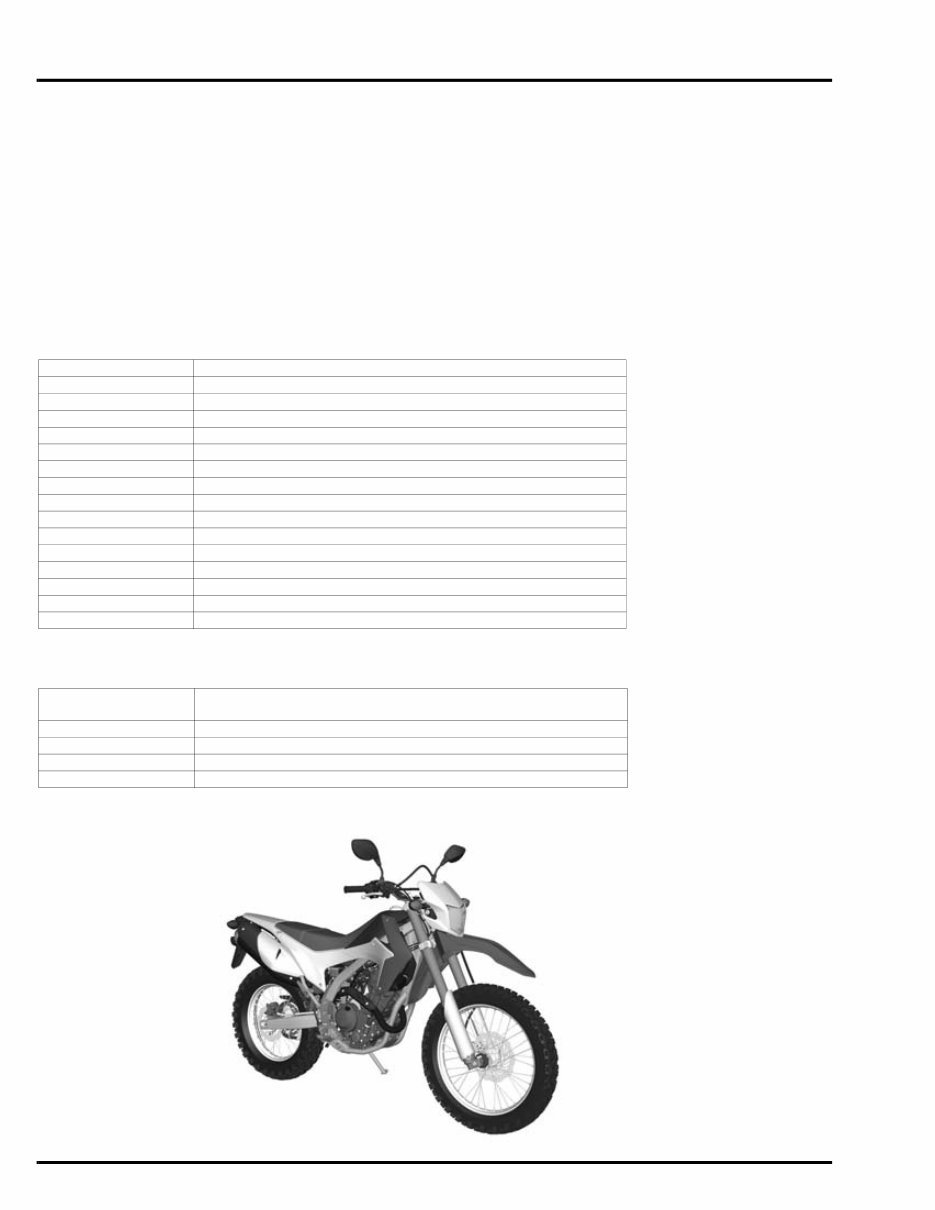
MODEL IDENTIFICATION
Abbrev. term Full term
CKP sensor Crankshaft Position sensor
DLC Data Link Connector
DTC Diagnostic Trouble Code
ECM Engine Control Module
ECT sensor Engine Coolant Temperature sensor
EEPROM Electrically Erasable Programmable Read Only Memory
IACV Idle Air Control Valve
IAT sensor Intake Air Temperature sensor
MAP sensor Manifold Absolute Pressure sensor
MIL Malfunction Indicator Lamp
PAIR Pulse Secondary Air Injection
PGM-FI Programmed Fuel Injection
SCS connector Service Check Short connector
TP sensor Throttle Position sensor
VS sensor Vehicle Speed sensor
DESTINATION
CODE
REGION
E U.K.
F France
ED European direct sales
U Australia, New Zealand
1-3
dummyhead dummyhead
GENERAL INFORMATION
SERIAL NUMBERS/LABELS
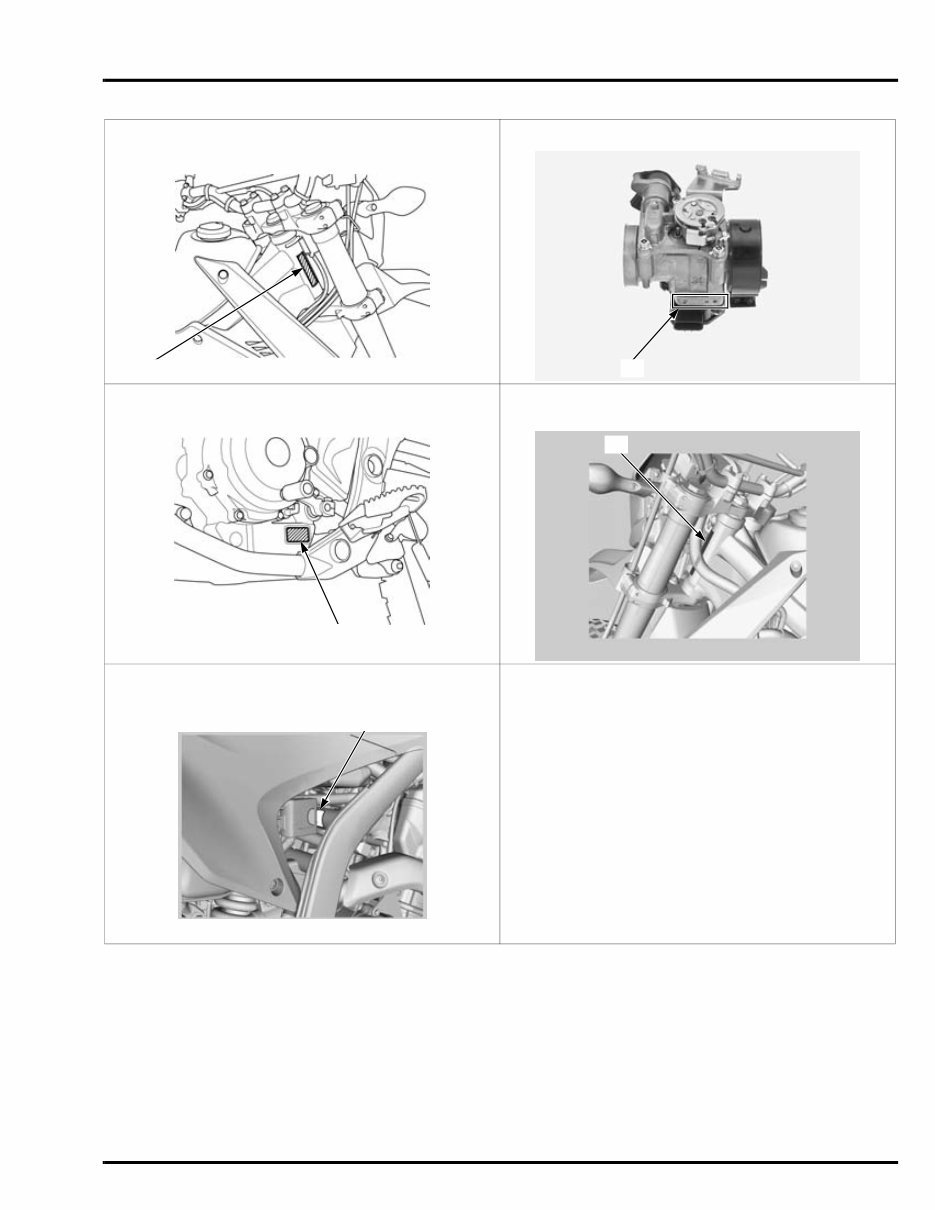
The Vehicle Identification Number (V.I.N.) [1] is stamped on
the right side of the steering head.
The throttle body identification number [1] is stamped on the
lower left side of the throttle body.
The engine serial number [1] is stamped on the lower left side
of the crankcase.
The Registered Number Plate (except U type) /Compliance
plate (U type) [1] is stamped on the left front side of the
steering head.
The color label [1] is attached on the frame behind rear brake
master cylinder reservoir. When ordering color-coded parts,
always specify the designated color code.
[1] [1]
[1]
[1]
[1]
1-4
dummyhead dummyhead
GENERAL INFORMATION
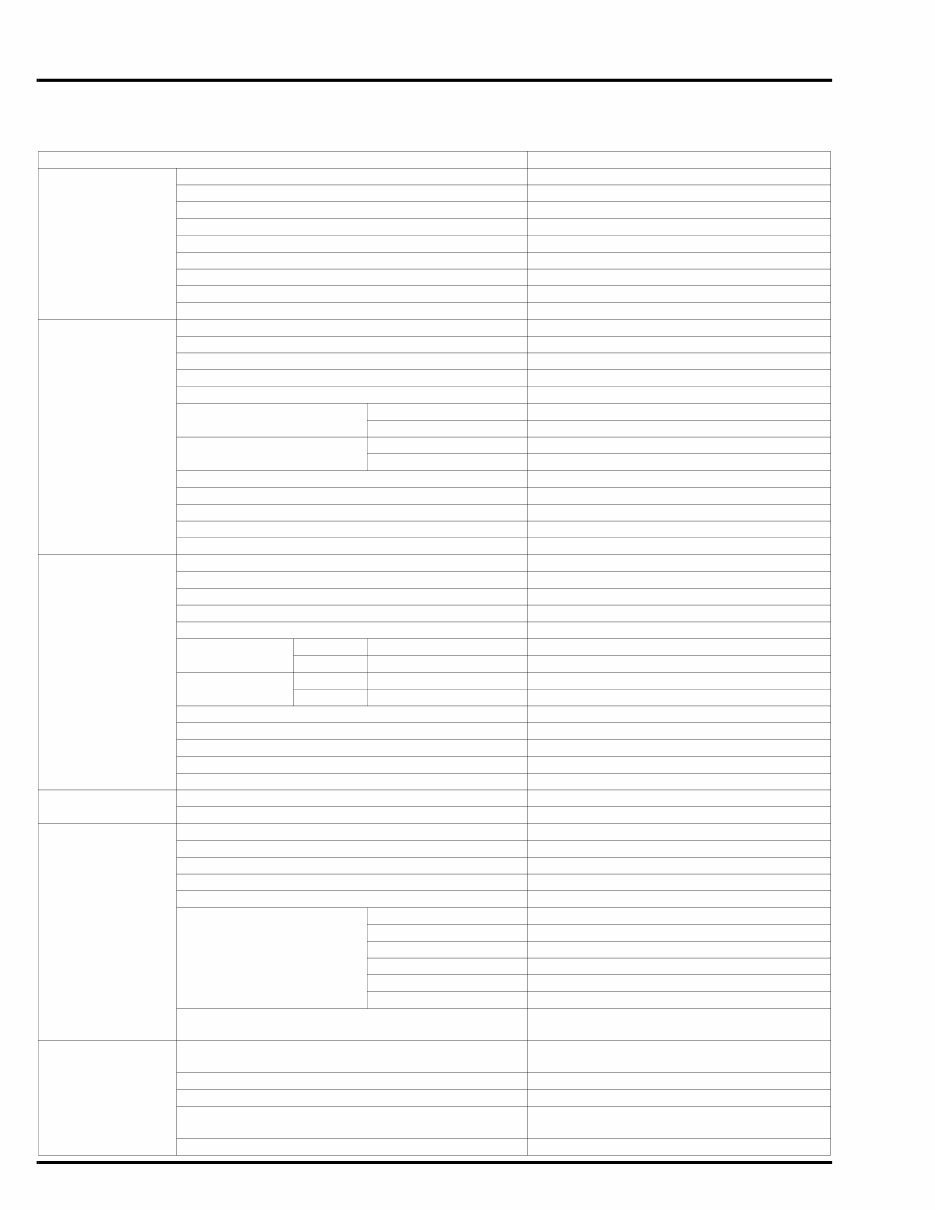
SPECIFICATIONS
GENERAL SPECIFICATIONS
ITEM SPECIFICATION
DIMENSIONS Overall length 2,195 mm (86.4 in)
Overall width 815 mm (32.1 in)
Overall height 1,195 mm (47.0 in)
Wheelbase 1,445 mm (56.9 in)
Seat height 875 mm (34.4 in)
Footpeg height 365 mm (14.4 in)
Ground clearance 255 mm (10.0 in)
Curb weight 143 kg (315 lbs)
Maximum weight capacity 159 kg (351 lbs)
FRAME Frame type Twin tube
Front suspension Telescopic fork
Front axle travel 222 mm (8.7 in)
Rear suspension Swingarm
Rear axle travel 240 mm (9.4 in)
Tire size Front 3.00-21 51P
Rear 120/80-18M/C 62P
Tire brand Front GP-21F Z (IRC)
Rear GP-22R (IRC)
Front brake Hydraulic single disc
Rear brake Hydraulic single disc
Caster angle 27° 35’
Trail length 113 mm (4.4 in)
Fuel tank capacity 7.7 liter (2.03 US gal, 1.69 Imp gal)
ENGINE Cylinder arrangement Single cylinder inclined 20° from vertical
Bore and stroke 76.0 x 55.0 mm (2.99 x 2.17 in)
Displacement 249.6 cm
3
(15.23 cu-in)
Compression ratio 10.7:1
Valve train Chain driven DOHC with rocker arm
Intake valve opens at 1.0 mm (0.04 in) lift 20° BTDC
closes at 1.0 mm (0.04 in) lift 35° ABDC
Exhaust valve opens at 1.0 mm (0.04 in) lift 40° BBDC
closes at 1.0 mm (0.04 in) lift 0° TDC
Lubrication system Forced pressure and wet sump
Oil pump type Trochoid
Cooling system Liquid cooled
Air filtration Viscous paper filter
Engine dry weight 34.5 kg (76.1 lbs)
FUEL DELIVERY
SYSTEM
Type PGM-FI
Throttle bore 36 mm (1.4 in)
DRIVE TRAIN Clutch system Multi-plate, wet
Clutch operation system Cable operating
Transmission Constant mesh, 6 speeds
Primary reduction 2.807 (73/26)
Final reduction 2.857 (40/14)
Gear ratio 1st 3.333 (40/12)
2nd 2.117 (36/17)
3rd 1.571 (33/21)
4th 1.304 (30/23)
5th 1.115 (29/26)
6th 0.962 (26/27)
Gearshift pattern Left foot operated return system
1 - N - 2 - 3 - 4 - 5 - 6
ELECTRICAL Ignition system Computer-controlled digital transistorized
with electric advance
Starting system Electric starter motor
Charging system Triple phase output alternator
Regulator/rectifier SCR shorted, triple phase full-wave
rectification
Lighting system Battery
1-5
dummyhead dummyhead
GENERAL INFORMATION
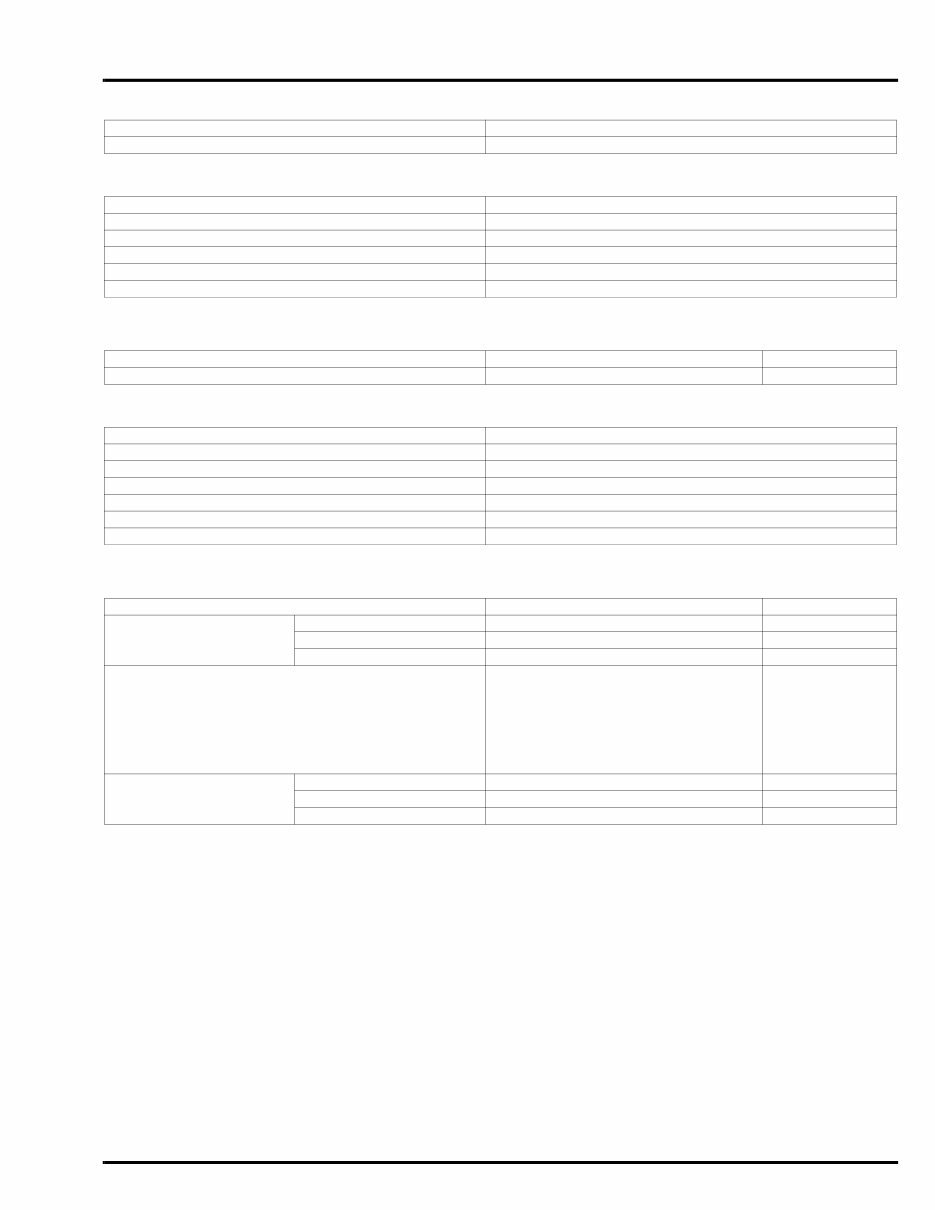
PGM-FI SYSTEM SPECIFICATIONS
IGNITION SYSTEM SPECIFICATIONS
ELECTRIC STARTER SPECIFICATION
Unit: mm (in)
FUEL SYSTEM SPECIFICATIONS
LUBRICATION SYSTEM SPECIFICATIONS
Unit: mm (in)
ITEM SPECIFICATIONS
Fuel injector resistance (20°C/68°F) 11 – 13 Ω
ITEM SPECIFICATION
Spark plug SIMR8A9 (NGK)
Spark plug gap 0.80 – 0.90 mm (0.031 – 0.035 in)
Ignition coil peak voltage 100 V minimum
CKP sensor peak voltage 0.7 V minimum
Ignition timing ("F" mark) 10° BTDC at idle
ITEM STANDARD SERVICE LIMIT
Starter motor brush length 11.8 – 12.3 (0.46 – 0.48) 6.5 (0.26)
ITEM SPECIFICATIONS
Throttle body identification number GQ32A
Engine idle speed 1,450 ± 100 min
-1
(rpm)
Throttle grip freeplay 2 – 6 mm (0.08 – 0.24 in)
Fuel pressure at idle 343 kPa (3.5 kgf/cm
2
, 50 psi)
Fuel pump flow (at 12 V) 83 cm
3
(2.81 US oz, 2.92 Imp oz) minimum/10 seconds
PAIR control solenoid valve resistance (20°C/68°F) 20 – 24 Ω
ITEM STANDARD SERVICE LIMIT
Engine oil capacity At draining 1.4 liters (1.5 US qt, 1.2 Imp qt) –
At oil filter change 1.5 liters (1.6 US qt, 1.3 Imp qt) –
At disassembly 1.8 liters (1.9 US qt, 1.6 Imp qt) –
Recommended engine oil Honda "4-stroke motorcycle oil" or an
equivalent
API classification: SG or higher (except
oils labeled as energy conserving on the
circular API service label)
Viscosity: SAE 10W-30
JASO T 903 standard: MA
–
Oil pump rotor Tip clearance 0.15 (0.006) 0.20 (0.008)
Body clearance 0.15 – 0.22 (0.006 – 0.009) 0.35 (0.014)
Side clearance 0.02 – 0.09 (0.001 – 0.004) 0.10 (0.004)
You're Reading a Preview
What's Included?
 Lifetime Access
Fast Download Speeds
Online & Offline Access
Access PDF Contents & Bookmarks
Full Search Facility
Print one or all pages of your manual
$39.99
2012 Onwards Honda CRF250L Service & Repair Manual
Viewed 26 Times Today

What's Included?
Lifetime Access
Fast Download Speeds
Online & Offline Access
Access PDF Contents & Bookmarks
Full Search Facility
Print one or all pages of your manual
$39.99

Secure transaction
What's Included?
Lifetime Access
Fast Download Speeds
Online & Offline Access
Access PDF Contents & Bookmarks
Full Search Facility
Print one or all pages of your manual
Description
The Honda CRF250L 2012 Onwards Workshop Service Repair Manual provides comprehensive diagnostic, repair, and maintenance information for professional mechanics and DIY enthusiasts alike.
- Characteristics
- Special Tools
- Maintenance
- Troubleshooting
- Electrical System
- Engine from Vehicle
- Engine
- Power Supply
- Suspensions
- Chassis Chas
- Braking System
- Cooling System
- Bodywork
- Pre-Delivery
This manual is available in PDF format, compatible with all versions of Windows and Mac, and is written in English. It consists of 344 pages and requires Adobe Reader for access.


