



Mercruiser #36 ECM 555 Diagnostics - 137 pages
What's Included?
 Lifetime Access
Fast Download Speeds
Online & Offline Access
Access PDF Contents & Bookmarks
Full Search Facility
Print one or all pages of your manual
Page i
Notice to Users of This Manual
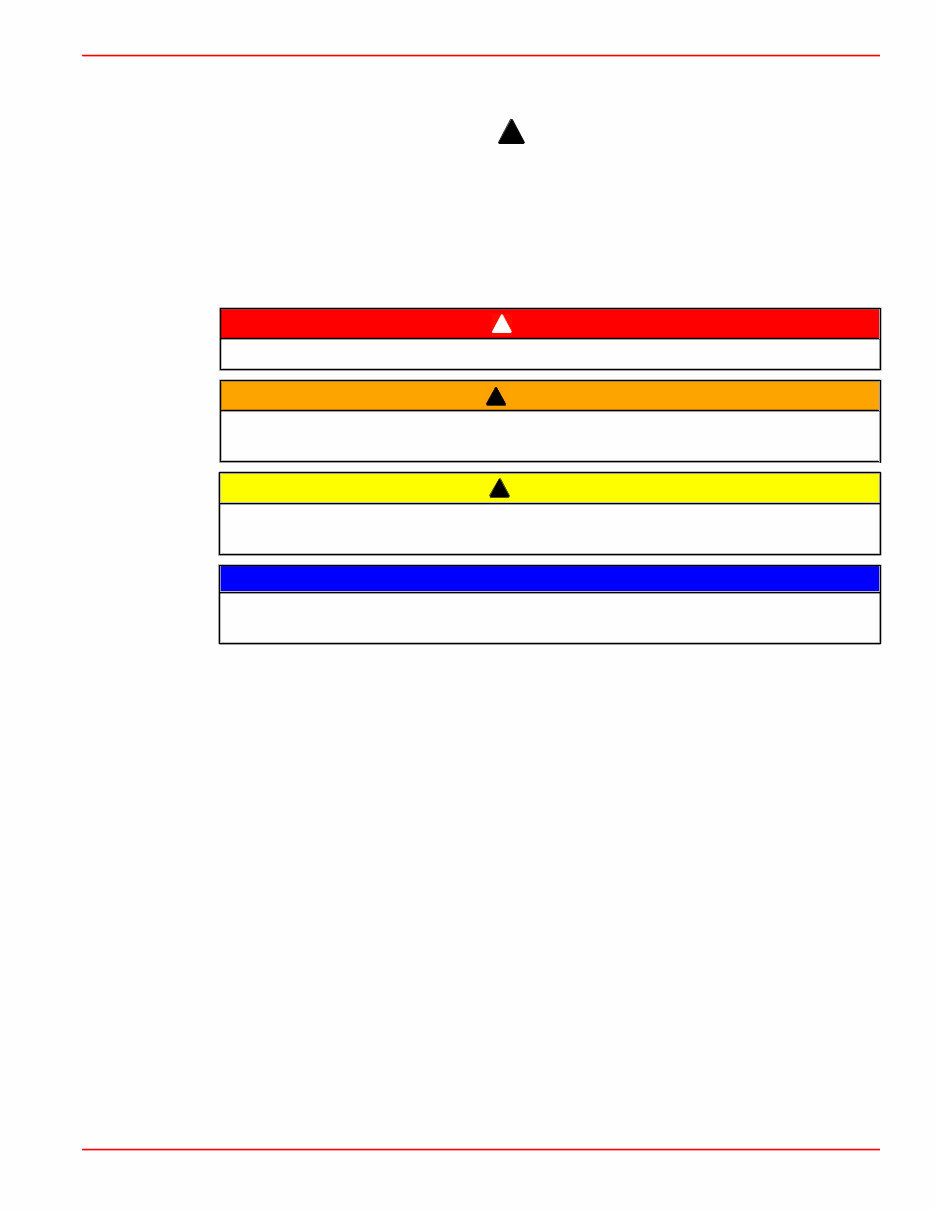
Throughout this publication, dangers, warnings, cautions, and notices (accompanied by
the International HAZARD Symbol
!
) are used to alert the mechanic to special
instructions concerning a particular service or operation that may be hazardous if
performed incorrectly or carelessly. These safety alerts follow ANSI standard Z535.6‑2006
for product safety information in product manuals, instructions, and other collateral
materials. Observe them carefully!
These safety alerts alone cannot eliminate the hazards that they signal. Strict compliance
to these special instructions when performing the service, plus common sense operation,
are major accident prevention measures.
! DANGER
Indicates a hazardous situation which, if not avoided, will result in death or serious injury.
! WARNING
Indicates a hazardous situation which, if not avoided, could result in death or serious
injury.
! CAUTION
Indicates a hazardous situation which, if not avoided, could result in minor or moderate
injury.
NOTICE
Indicates a situation which, if not avoided, could result in engine or major component
failure.
IMPORTANT: Identifies information essential to the successful completion of the task.
NOTE: Indicates information that helps in the understanding of a particular step or action.
This manual has been written and published by the Service Department of Mercury Marine
to aid our dealers’ mechanics and company service personnel when servicing the products
described herein. We reserve the right to make changes to this manual without prior
notification.
© 2006, Mercury Marine
Mercury, Mercury Marine, MerCruiser, Mercury MerCruiser, Mercury Racing, Mercury
Precision Parts, Mercury Propellers, Mariner, Quicksilver, #1 On The Water, Alpha, Bravo,
Pro Max, OptiMax, Sport‑Jet, K‑Planes, MerCathode, RideGuide, SmartCraft, Zero Effort,
M with Waves logo, Mercury with Waves logo, and SmartCraft logo are all registered
trademarks of Brunswick Corporation. Mercury Product Protection logo is a registered
service mark of Brunswick Corporation.
It is assumed that these personnel are familiar with marine product servicing procedures.
Furthermore, it is assumed that they have been trained in the recommended service
procedures of Mercury Marine Power Products, including the use of mechanics’ common
hand tools and the special Mercury Marine or recommended tools from other suppliers.
We could not possibly know of and advise the marine trade of all conceivable procedures
and of the possible hazards and/or results of each method. Therefore, anyone who uses
a service procedure and/or tool, which is not recommended by the manufacturer, first must
completely satisfy himself that neither his nor the products safety will be endangered.
Page ii
All information, illustrations, and specifications contained in this manual are based on the
latest product information available at the time of publication. As required, revisions to this
manual will be sent to all dealers contracted by us to sell and/or service these products.
Refer to dealer service bulletins, operation maintenance and warranty manuals, and
installation manuals for other pertinent information concerning the products described in
this manual.
Precautions
It should be kept in mind, while working on the product, that the electrical and ignition
systems are capable of violent and damaging short circuits or severe electrical shocks.
When performing any work where electrical terminals could possibly be grounded or
touched by the mechanic, the battery cables should be disconnected at the battery.
Any time the intake or exhaust openings are exposed during service they should be
covered to protect against accidental entrance of foreign material into the cylinders which
could cause extensive internal damage when the engine is started.
During any maintenance procedure, replacement fasteners must have the same
measurements and strength as those removed. Numbers on the heads of the metric bolts
and on the surfaces of metric nuts indicate their strength. American bolts use radial lines
for this purpose, while most American nuts do not have strength markings. Mismatched or
incorrect fasteners can result in damage or malfunction, or possibly personal injury.
Therefore, fasteners removed should be saved for reuse in the same locations whenever
possible. Where the fasteners are not satisfactory for reuse, care should be taken to select
a replacement that matches the original.
Replacement Parts
Use of parts other than the recommended service replacement parts will void the warranty
on those parts that are damaged as a result.
! WARNING
Avoid fire or explosion hazard. Electrical, ignition, and fuel system components on
Mercury Marine products comply with U.S. Coast Guard rules to minimize risk of fire or
explosion. Do not use replacement electrical or fuel system components that do not
comply with these rules. When servicing the electrical and fuel systems, properly install
and tighten all components.
Cleanliness and Care of Product
A Mercury Marine Power Product is a combination of many machined, honed, polished,
and lapped surfaces with tolerances measured in the ten thousands of an inch/mm. When
any product component is serviced, care and cleanliness are important. It should be
understood that proper cleaning and protection of machined surfaces and friction areas is
a part of the repair procedure. This is considered standard shop practice even if not
specifically stated.
Whenever components are removed for service, they should be retained in order. At the
time of installation, they should be installed in the same locations and with the same mating
surfaces as when removed.
Personnel should not work on or under an engine that is suspended. Engines should be
attached to work stands, or lowered to ground as soon as possible.

Page iii
Manual Outline
1 - General Information
A - General Information
2 - Troubleshooting
A - Troubleshooting
3 - Wiring Diagrams
A - Wiring Diagrams–ECM with 10-Pin Harness
B - Wiring Diagrams—ECM with 14-Pin Harness
General Information
1
Troubleshooting
2
Wiring Diagrams
3

Page iv

General Information
90-864573001 DECEMBER 2006 Page 1A-1
1
A
General Information
Section 1A - General Information
Table of Contents
How To Use This Guide...................................1A-2
ECM and PCM Abbreviations..........................1A-2
Precautions....................................................1A-10
Service Precautions ...............................1A-11
General Information.......................................1A-12
Electrostatic Discharge Damage............1A-12
Wiring Harness Service..........................1A-12
Wire Repair.............................................1A-13
Wiring Connector Service.......................1A-13
Intermittent Problems..............................1A-14
ECM 555 Ignition System..............................1A-15
Electronic Control Module (ECM) and Sensors
.......................................................................1A-15
General Description................................1A-15
Computers and Voltage Signals.............1A-15
Analog Signals........................................1A-15
Digital Signals.........................................1A-17
Engine Control Module (ECM)................1A-18
Engine Guardian System...............................1A-18
General Description................................1A-18
General Reference Charts.............................1A-19
Manifold Vacuum and Pressure..............1A-19
Vacuum Gauge vs MAP Sensor.............1A-20
Centigrade to Fahrenheit Conversion.....1A-21

General Information
Page 1A-2 90-864573001 DECEMBER 2006
How To Use This Guide
This diagnostic guide is separated into three sections: General Information,
Troubleshooting, and Wiring Diagrams.
General Information covers:
• General wiring information
• Engine Guardian description
• Warning chart
Troubleshooting covers:
• Basic scan tool information
• Symptom trouble chart
• Fault chart
• CDS
Wiring diagrams covers:
• Engine electrical harness
• Circuit diagrams
• 14‑pin harness
Troubleshooting covers possible electrical and mechanical causes for engine faults on the
scan tool. In wiring diagrams, the single circuit diagrams cover each sensor and subset of
the electrical system of the engine. These two sections help the technician pinpoint
problems occurring in the electrical system.
ECM and PCM Abbreviations
NOTE: Throughout this manual the Computer Diagnostic System is often abbreviated as
CDS.
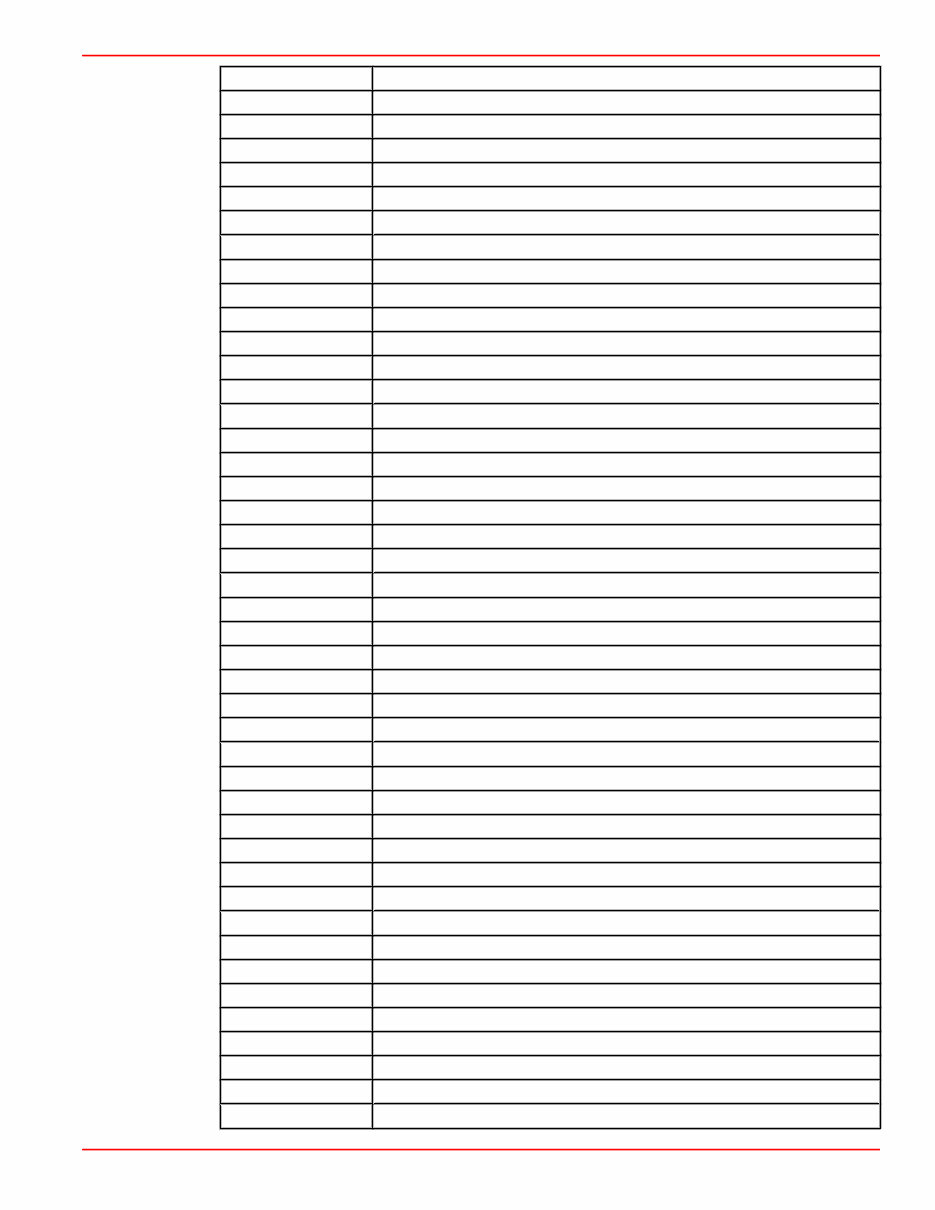
Abbreviation Description
5 VDC PWR LO 5‑volt ECM internal power supply low
5 VDC PWR 2 LO 5‑volt ECM power supply low to SmartCraft Sensors (Not available on all models)
ACT Air compressor temperature (F or C) sensor
ACT INPUT HI Air compressor temperature sensor input is high
ACT INPUT LO Air compressor temperature sensor input is low
ACT TMP Sec Time spent in air compressor overheat
ACTIVE Active fault state of sensors, switches, injectors, etc.
AT Intake manifold air temperature (F or C) sensor
AT I NPUT HI Air temperature (engine) sensor input is high
AT INPUT LO Air temperature (engine) sensor input is low
AIR COM TMP Air compressor temperature sensor (F or C)
AIRFLOW HI Incoming airflow to engine is higher than expected
AIR TEMP CKTHI Air temperature (engine) sensor circuit is high
AIR TEMP CKT LO Air temperature (engine) sensor circuit is low
AIR TMP Intake manifold air temperature (F or C) sensor
AVAILABLE PWR % A normally functioning system will allow engine to make 100% power.
B+ Battery positive
BARO Barometric pressure
General Information
90-864573001 DECEMBER 2006 Page 1A-3
Abbreviation Description
BARO PSI Barometric pressure (psi or kPa)
BAT Battery positive terminal, battery or system voltage
BATT VOLT HIGH Battery voltage is above the allowable limit
BATT VOLT LOW Battery voltage is below the allowable limit
BLK PSI MIN Block pressure minimum specification
BLK TEMP CKT HI Engine block temperature sensor circuit is high
BLK TEMP CKT LO Engine block temperature sensor circuit is low
BLOCK PRESS LOW Engine block pressure below acceptable limit
BLOCK PSI Inlet water pressure to block (PSI or kPa)
BLOCK PSI Sec time spent with low water pressure to block
BLOCK PSI Inlet water pressure (PSI or kPa)
BLOCK OVRHEAT Engine block is overheating
BPSI INPUT HI Block pressure sensor input is high
BPSI INPUT LO Block pressure sensor input is low
BREAK‑IN Engine break‑in routine
BREAKIN ACTIVE Engine break‑in routine is active
BREAK‑IN LEFT Time remaining in engine break‑in routine
BREAKIN STR Break‑in strategy
BUFFER An area used to temporarily store data
BUS +12 CAN Bus 12‑volt supply for SmartCraft
CALIB ID Calibration ID of ECM
CAN Controller area network
CAN ERR1 CAN wiring problem. Check ALL pins and terminators
CAN ERR2 CAN wiring problem. Check ALL pins and terminators
CAN ERR3 CAN wiring problem. Check ALL pins and terminators
CAN ERR4 CAN wiring problem. Check ALL pins and terminators
CAN ERR5 CAN wiring problem. Check ALL pins and terminators
CAN ERR6 CAN wiring problem. Check ALL pins and terminators
CAN ERR7 CAN wiring problem. Check ALL pins and terminators
CAN ERR8 CAN wiring problem. Check ALL pins and terminators
CAN ERR9 CAN wiring problem. Check ALL pins and terminators
CAN ERR10 CAN wiring problem. Check ALL pins and terminators
CHI Customer helm interface (SC5000)
CKT Circuit
CODE Calibration ID of ECM
COOL TMP PRT Coolant temp port (F or C) sensor
COOL TMP STB Coolant temp starboard (F or C) sensor
COMP Air compressor temperature sensor
COMP OVERHEAT Air compressor temperature is above the allowable limit
COMP TEMP CKT HI Air compressor temperature sensor circuit is high
COMP TEMP CKT LO Air compressor temperature sensor circuit is low
COMP TMP Air compressor temperature (F or C)
COMPRESS OVRHT Air compressor temperature is above the allowable limit
General Information
Page 1A-4 90-864573001 DECEMBER 2006
Abbreviation Description
CONN Connector
CTP INPUT HI Coolant temperature port sensor input is high
CTP INPUT LO Coolant temperature port sensor input is low
CTP TMP Sec time spent in overheat on the port bank
CTS INPUT HI Coolant temperature starboard sensor input is high
CTS INPUT LO Coolant temperature starboard sensor input is low
CTS TMP Sec time spent in overheat on the starboard bank
CYL Cylinder
DDT Digital diagnostic terminal
DEC
Refers to a decreasing potentiometer reading in the electronic remote control. A
decreasing potentiometer reads from high to low volts through its total travel range.
DEG Degrees
DEMAND % TPI% or TPS% ; On DTS models, this is ERC demand %
DEMAND DIFF Faulty potentiometers in ERC
DIAG Diagnostic
DINJ1 ‑‑ DINJ6 OPEN Direct injector 1‑6 circuit is open
DINJ1 ‑‑ DINJ6 SHORT Direct injector 1‑6 circuit is short
DIST Distributor
DLC Data link connector
DRIVE LUBE LO Low drive lube reservoir
DRIVER POWER LO Insufficient battery voltage or wiring problem
DTC Diagnostic trouble code
DTS Digital throttle and shift
DUAL CAN ERR Wiring problem between CAN 1 and CAN 2
DVOM Digital volt ohm meter
ECM 555 Electronic control module with a power PC 555 microcomputer
ECM ID ECM Hardware revision level
ECM MEMORY ERR ECM memory has been corrupted
ECM_TRIG1‑8 OPEN ECM spark trigger signal circuit 1‑8 is open
ECM_TRIG1‑8 SHORT ECM spark trigger signal circuit 1‑8 is short
ECT Engine coolant temperature (F or C) sensor
EEPROM Electronic erasable programmable read only memory
EMI Electromagnetic interference
ENG Engine
ENGINE ID Engine identification
ENGINE RPM Revolutions per minute of engine
ERC Electronic remote control handle at the helm
ESC Electronic shift control (actuator)
ESC CONTROL LOST ESC cannot maintain in‑gear position
ESC ‑ NS POS DIFF ESC determination of its position and neutral switch position don’t agree
ESC ‑ ERC POS DIFF
ESC position (actuator's determination of its position) and commanded position do
not agree.
ESC TIMEOUT
ESC actuator has not physically moved with respect to the ERC lever (demand)
position.
General Information
90-864573001 DECEMBER 2006 Page 1A-5
Abbreviation Description
EST Electronic spark timing
EST 1‑8 Electronic spark trigger signal to the ignition coil driver circuit
EST 1‑8 OPEN Electronic spark trigger signal circuit 1‑8 is open
EST 1‑8 SHORT Electronic spark trigger signal circuit 1‑8 is short
ETC CONTROL Loss of electronic throttle control circuit
ETC STICKING Electronic throttle control sticking or binding
ETC IDLE RANGE ETC Is outside of its expected idle range
ETC MOTOR OPEN Electronic throttle control motor is open (Not available on all models)
ETC MOTOR SHORT Electronic throttle control motor is shorted (Not available on all models)
FINJ 1 ‑ FINJ 8 OPEN Fuel injector circuit 1‑8 is open
FINJ 1 ‑ FINJ 8 SHORT Fuel injector circuit 1‑8 is shorted
FPC TOTAL Fuel per cycle per cylinder. Total fuel amount currently being used by engine.
FREEZE FRAME A snapshot of captured engine data stored in ECM history
FUEL LEVEL Boat tank fuel sender data
FUEL LVL CKT HI Fuel level sensor circuit high (same as FUEL LVL IN HI)
FUEL LVL CKT LO Fuel level sensor circuit low (same as FUEL LVL IN LO)
FUEL LVL CKT2 HI Fuel level sensor circuit #2 high (same as FUEL LVL IN HI)
FUEL LVL CKT2 LO Fuel level sensor circuit #2 low (same as FUEL LVL IN LO)
FUEL LVL IN HI Fuel level sensor input is high
FUEL LVL IN LO Fuel level sensor input is low
FUEL PRES CKT LO Fuel pressure sensor circuit is low (not available on all models)
FUEL PRES CKT HI Fuel pressure sensor circuit is high (not available on all models)
FUEL PSI CKT HI Fuel pressure sensor circuit (same as Fuel Pres Input Hi)
FUEL PSI CKT LO Fuel pressure sensor circuit low (same as Fuel Pres Input Lo)
FUEL PUMP CKT Fuel pump circuit or relay fault
FUEL PUMP RLY Fuel pump relay
GEAR POS DIFF ESC Position sensor doesn’t agree with the shift switch
GND Ground
GUARDIAN Engine Guardian strategy is active
GRD LIMIT Sec time spent in engine guardian
H20 IN FUEL Water‑in‑fuel filter
H2O PRES CKT HI Engine water pressure sensor circuit is high
H2O PRES CKT LO Engine water pressure sensor circuit is low
HALL SENSOR Hall effect (encoder/crank position) sensor
HALL SNSR STR Hall effect (encoder/crank position) sensor strategy is active
HEAD OVRHT Cylinder head is overheating
HEAD TEMP CKT HI Cylinder head temperature sensor circuit is high
HEAD TEMP CKT LO Cylinder head temperature sensor circuit is low
HEI High energy ignition
HELM ADC CHECK Command module reliability check or CAN bus problem
HIRES
Indicates a high‑resolution potentiometer which has voltage readings that move
from high to low to high through its entire range.
HORN Horn driver (internal to ECM for non DTS models)
You're Reading a Preview
What's Included?
Lifetime Access
Fast Download Speeds
Online & Offline Access
Access PDF Contents & Bookmarks
Full Search Facility
Print one or all pages of your manual
$30.99
Viewed 11 Times Today


Secure transaction
What's Included?
Lifetime Access
Fast Download Speeds
Online & Offline Access
Access PDF Contents & Bookmarks
Full Search Facility
Print one or all pages of your manual
$30.99
Mercruiser #36 ECM 555 Diagnostics is a comprehensive manual spanning 137 pages. It covers a wide range of topics relevant to engine diagnostics and repair. Whether you are a professional mechanic or a DIY enthusiast, this manual provides valuable information to assist you in maintaining and troubleshooting your engine.
- IMPORTANT INFORMATION
- Section 1A - General Information
- Section 1B - Maintenance
- Section 1C - Troubleshooting
- REMOVAL AND INSTALLATION ENGINE
- Section 3A - 262 cid (4.3L) Engines
- Section 4A - Starting Systems
- Section 4B - Thunderbolt V Ignition System
- Section 4C - Charging System
- Section 4D - Instrumentation
- Section 4E - Wiring Diagrams
- FUEL SYSTEM
- Section 5A - Fuel Delivery System for Carbureted Engines
- Section 5B - Mercarb2 Barrel Carburetor
- Section 5C - Weber 4 Barrel Carburetor
- Section 5D - Sav1 Emission Fuel System with Weber 4 Barrel Carburetor
- Section 5E - Fuel Delivery System For Electronic Fuel Injection
- Section 5F - Fuel Injection Descriptions And System Operation
- Section 5G - Fuel Injection Disassembly And Reassembly
- Section 5H - Fuel Injection System Troubleshooting
- Section 5I - Diagnostics
- COOLING SYSTEM
- Section 6A - Seawater Cooled Models
- Section 6B - Closed Cooled Models
- EXHAUST SYSTEM
- Section 7A - General
- Section 7B - Manifolds, Elbows and Risers
- Section 7C - Collectors
- DRIVES
- Section 8A - Drive Shaft
- POWER STEERING SYSTEM
- Section 9A - Pump and Related Components
With detailed sections on fuel systems, cooling systems, exhaust systems, drives, and power steering systems, this manual equips you with the knowledge needed to effectively address various aspects of engine maintenance and repair.


