Isuzu AU-4LE2 Diesel Engine Factory Service & Work Shop Manual
What's Included?
Lifetime Access
Fast Download Speeds
Online & Offline Access
Access PDF Contents & Bookmarks
Full Search Facility
Print one or all pages of your manual
AU-4LE2 BV-4LE2 MODEL
General Information 0A-1 General Information General Information Table of Contents General Information .............................................. 0A-2 Service Precautions ........................................... 0A-2 Reading the Model ............................................. 0A-7 General Information ........................................... 0A-8 Recommended Lubricant ................................. 0A-14 List of Trouble Symptom .................................. 0A-15 Repair Standard ............................................... 0A-24
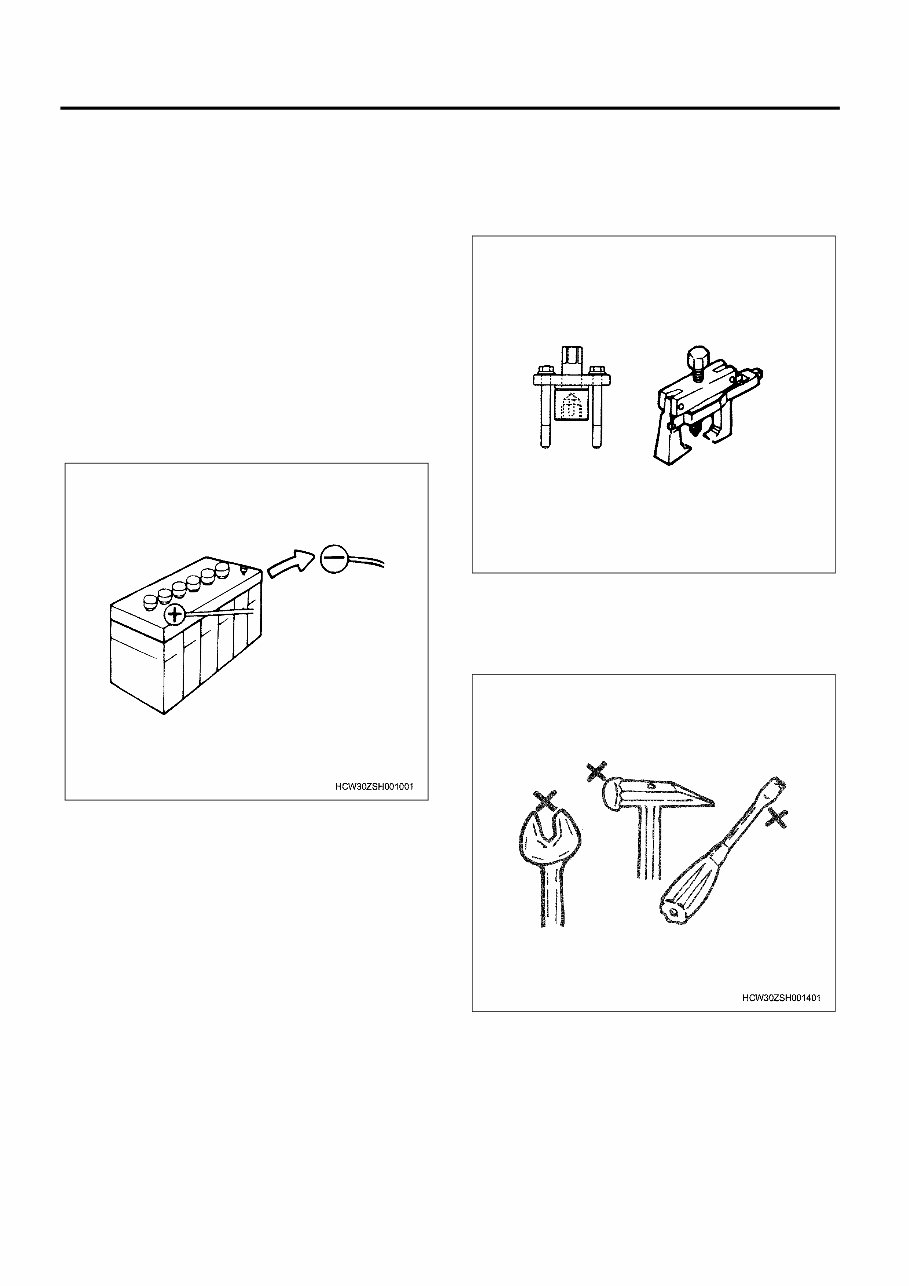
0A-2 General Information General Information Service Precautions In order to carry out work safely 1. Always use an engine stand when taking the engine down from the vehicle. Do not place the engine directly onto the ground, or place in a manner that interferes with the oil pan. 2. If you are working together with others, always pay attention to each other's safety. 3. If you are repairing any part of the electrical sys- tem, always remove the minus side cable from the battery terminal before starting work. If you are removing the battery cover, always remove the cover in a place that is away from sources of fire/ heat. 4. Do not perform painting work or leave the engine running for long periods of time in an enclosed or badly ventilated indoor workshop. 5. Always use the correct specialized tool indicated in the instructions. Using the incorrect tool may cause damage to the parts or injury to the person using the tool. 6. All regular tools, gauges and special tools should be regularly inspected, and prepared before start- ing work. Do not use bent spanners, hammers with damaged edges, chipped chisels, or any other faulty or damaged tools. WSHK0190
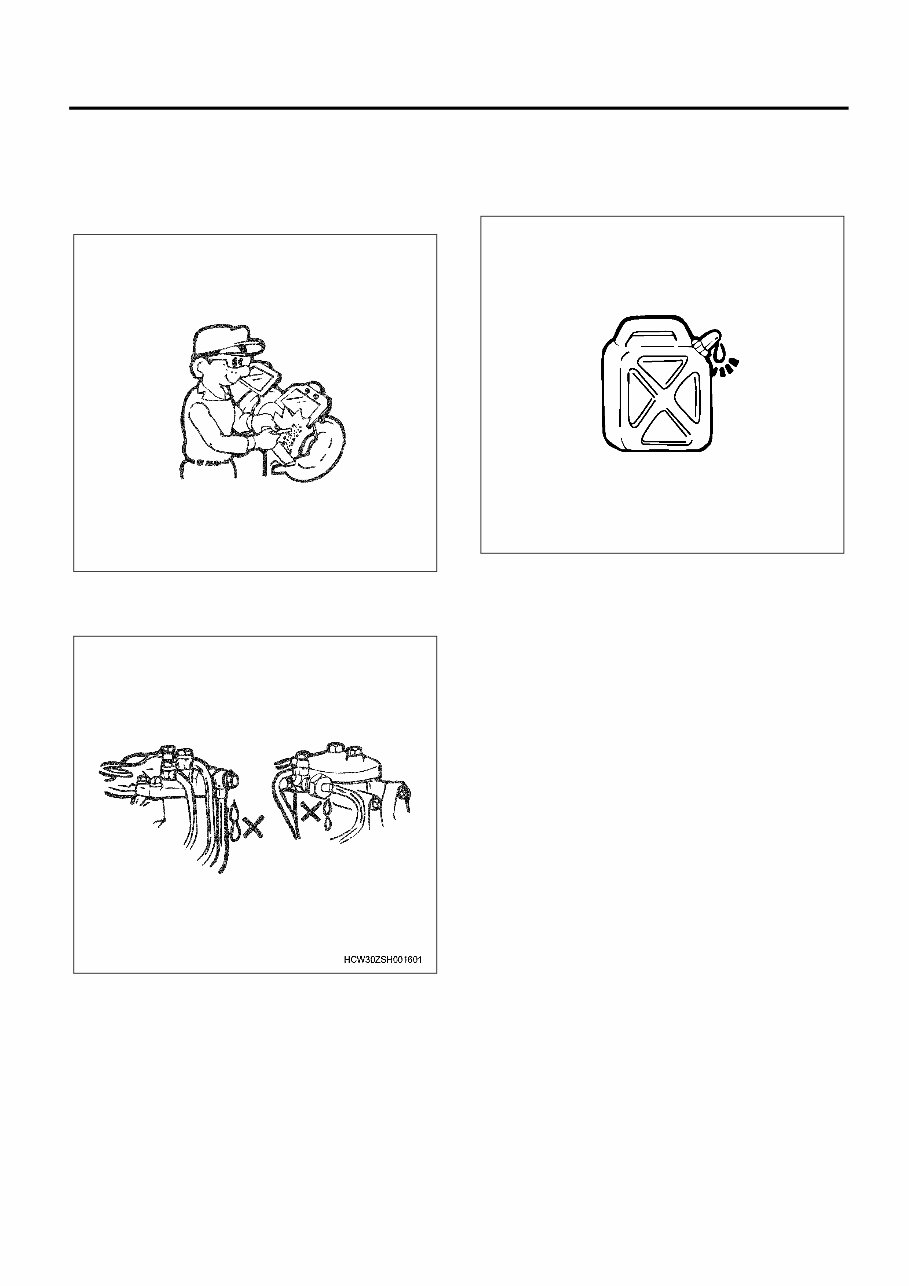
General Information 0A-3 7. Always pay close attention to safety and handling requirements when using grinders, cranes, weld- ers, and other such equipment. Moreover, always wear the correct protective gar- ments and use the necessary safety tools for the job in hand. 8. Always check that there are no fuel leaks when performing maintenance work on the fuel system. (It may cause a fire.) 9. Pay close attention to the risk of ignition if you are handling parts that carry a high voltage. Furthermore, any oil or grease spilt onto rubber parts must be wiped off immediately, as it will cause deterioration of the rubber. Replacement parts and part numbers 1. Always replace packing, oil seals, O-rings, caulk- ing lock nuts, folding lock plates, split pins and other such parts with brand new parts. 2. The parts numbers contained in this manual may not represent the supply condition of the parts, and the part numbers may be changed due to revi- sions. Therefore, parts should always be checked against a parts catalogue before use. WSHK0191 WSHK0192
0A-4 General Information Liquid gasket 1. Each time you disassemble parts that use liquid gasket, completely remove the old gasket residue from each of the parts and matching sections using a scraper, then clean each of the parts to com- pletely remove oil, water, and dirt etc. from the var- ious surfaces by a cloth. Using the specified type of liquid gasket, apply new liquid gasket to each of the surfaces before reassembling the parts. 2. In order to make it easier to clean liquid gasket sur- faces, apply gasket remover liquid (Pando- 391D made by ThreeBond Co., Ltd.) and leave the part to stand for approximately 10 minutes, after which the old liquid gasket residue will be easier to remove. However, this should not be used on resin compo- nents or painted components. 3. Please take care not to apply too much or too little liquid gasket. Also, you should always re-apply the liquid gasket upon itself when you start and finish application. 4. Make sure that there are no gaps when reinstalling the liquid gasket parts to each other. If there are gaps between the two parts, re-apply the liquid gasket. Some parts, especially the oil pan, use the same size studs as a guide to eliminate the need for knock pin positioning etc. 5. Re-install these parts within 5 minutes of applying the liquid gasket. If more than 5 minutes passes, remove the previ- ous liquid gasket and re-apply it. 6. Please wait for at least 30 minutes since the last part is installed before starting the engine. Liquid gasket • Always use the liquid gasket products listed above, or a liquid gasket identical to the ones listed above. • Use the correct quantity of liquid gasket. Always follow the handling instructions for each product. Applied area Use conditions Liquid gasket name Parts Matching parts Seal object Application groove 1 Rocker bracket Cylinder head Engine oil (10W — 30) Equipped TB 1207B 2 Air inlet pipe Cylinder head cover Air Equipped TB 1207C 3 Timing case Cylinder block Engine oil (10W — 30) Equipped TB 1207B 4 Housing cover; injection pump Cylinder block Engine oil (10W — 30) None TB 1207C 5 Solenoid; fuel cut Cylinder block Engine oil (10W — 30) Equipped TB 1207C 6 Retainer; oil seal Cylinder block Engine oil (10W — 30) Equipped TB 1207B 7 Housing ASM; PCV Cylinder head cover Blow-by gas None TB 1207C 8 Indicator; air cleaner Air cleaner Air None (Seal tape)
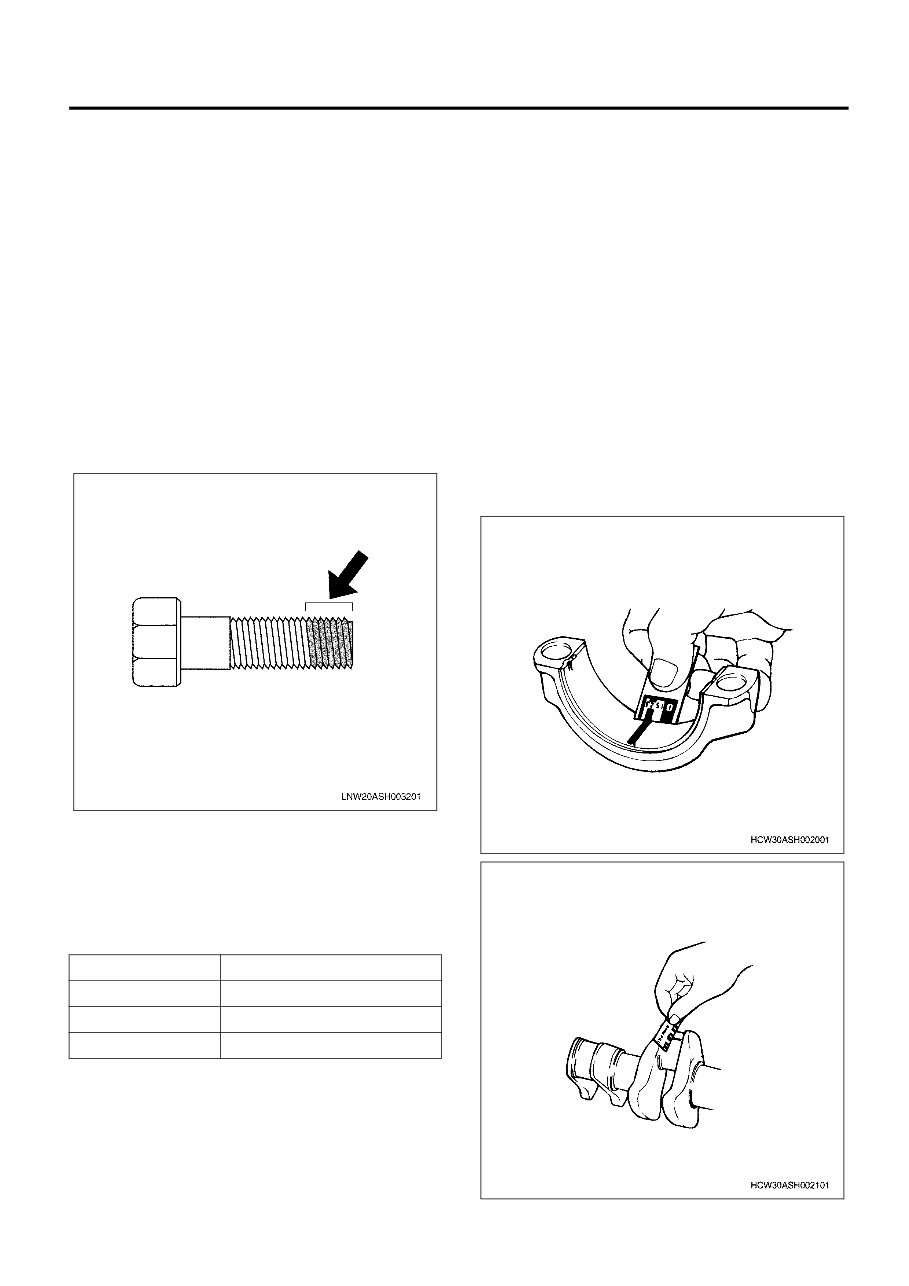
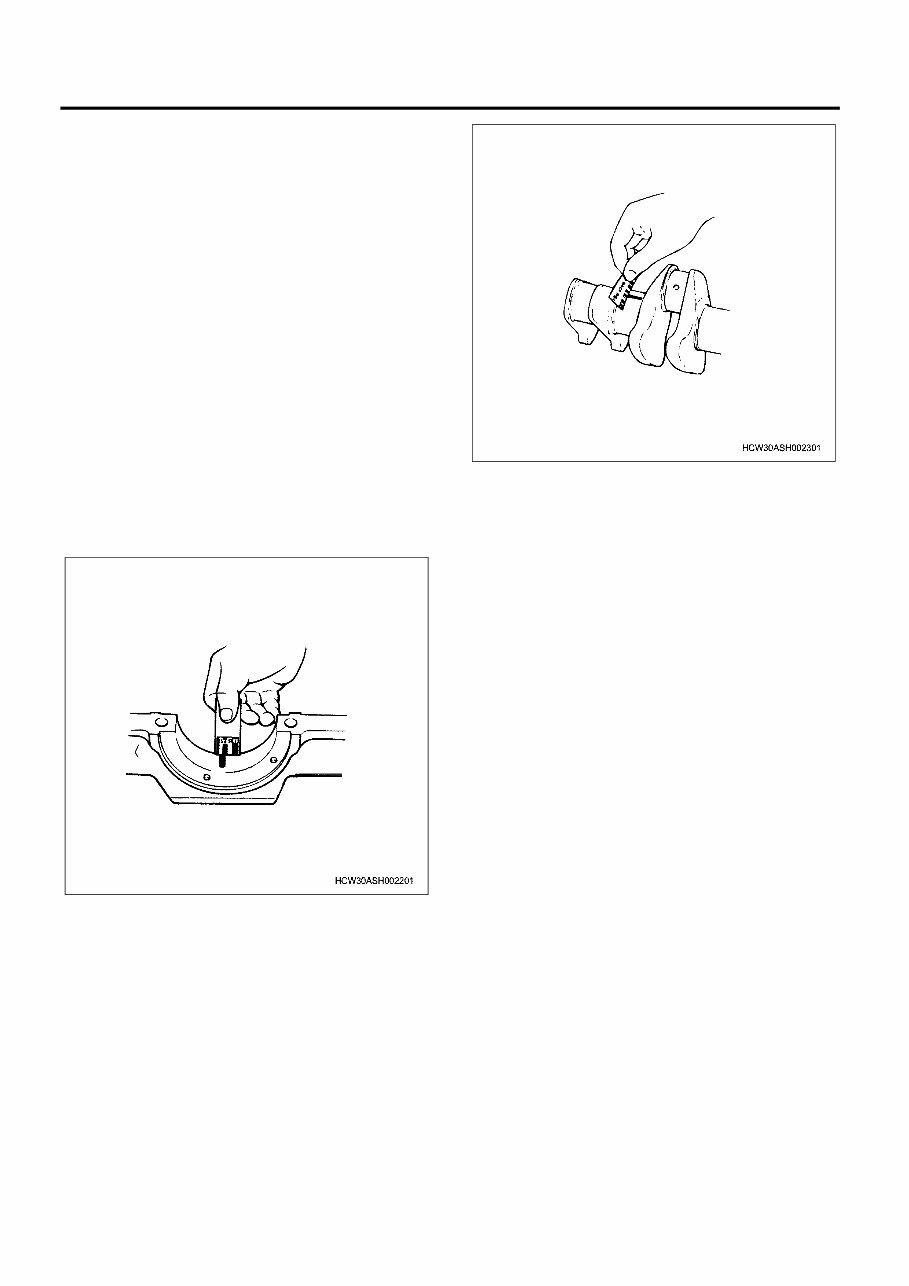
General Information 0A-5 Application procedure 1. Wipe the contact surfaces clean of all water, oil or grease. The contact surfaces should be dry. 2. Apply a regular bead width of liquid gasket to one of the contact surfaces. Make sure that the bead does not break at this point. Note: If there are special regulations concerning the applica- tion procedure in the repair document, please follow those regulations. Work procedure 1. Wipe the joint surfaces of the bolt, bolt hole, and threads clean of water, grease, and oil. The con- tact surfaces should be dry. 2. Apply Loctite to the top 1/3 of the screw. 3. Tighten the bolt to the specified torque. Important: After tightening the bolt, do not apply excessive torque or try to rotate the bolt until at least one hour has passed, and the Loctite has hardened. Procedure for using the plastigauge Example: Procedure for measuring the clearance between the connecting rod bearing and crank pin. • Clean the connecting rod and bearing, and install the bearing to the rod. • Cut the plastigauge to the same width as the crank pin, and while avoiding the oil hole of the crank pin lay the gauge parallel to the pin. • Line up the marks on the connecting rod and cap, and install the crank pin. Apply molybdenum disul- fide to the thread section and seating surface of the tightening bolt, and rotate both cap and bolt to the correct torque. Important: Do not move the connecting rod while using the plastigauge. • Gently remove the cap and connecting rod, and measure the crushed width of the plastigauge (clearance between rod and pin) using the scale printed on the bag. Type Measurable range mm {in} PG-1 (Green) 0.025 — 0.076 {0.001 — 0.003} PR-1 (Red) 0.051 — 0.152 {0.002 — 0.006} PB-1 (Blue) 0.102 — 0.229 {0.004 — 0.009}
0A-6 General Information Example: Measuring the clearance between the crank bearing and crank journal • Clean the clamp face of the cylinder block and crankcase bearing, and also the bearing, and install the cylinder block to the crankcase. • Gently rest the crankshaft on the cylinder block, and rotate it approximately 30 degree to stabilize it. • Cut the plastigauge to the same size as the journal width, and while avoiding the oil hole of the journal lay the gauge parallel to the journal. • Gently rest the crankcase on the cylinder block, apply molybdenum disulfide to the thread section and seating surface of the tightening bolt, and tighten in sequence to the correct torque. Important: Do not rotate the crankshaft while using the plasti- gauge. • Gently remove the crankcase, and measure the crushed width of the plastigauge (clearance between bearing and journal) using the scale printed on the bag.
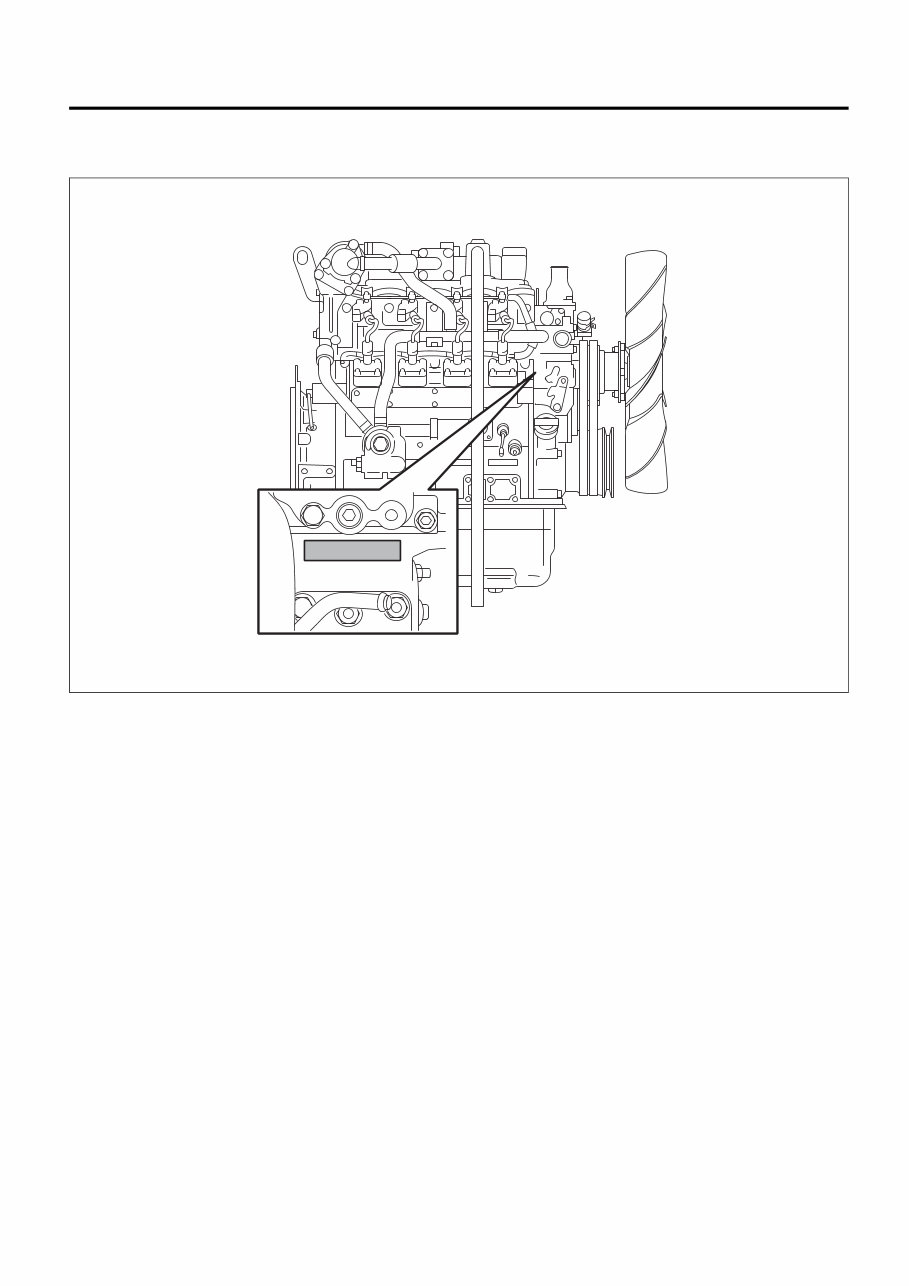
General Information 0A-7 Reading the Model Engine number stamping position WSLE0352
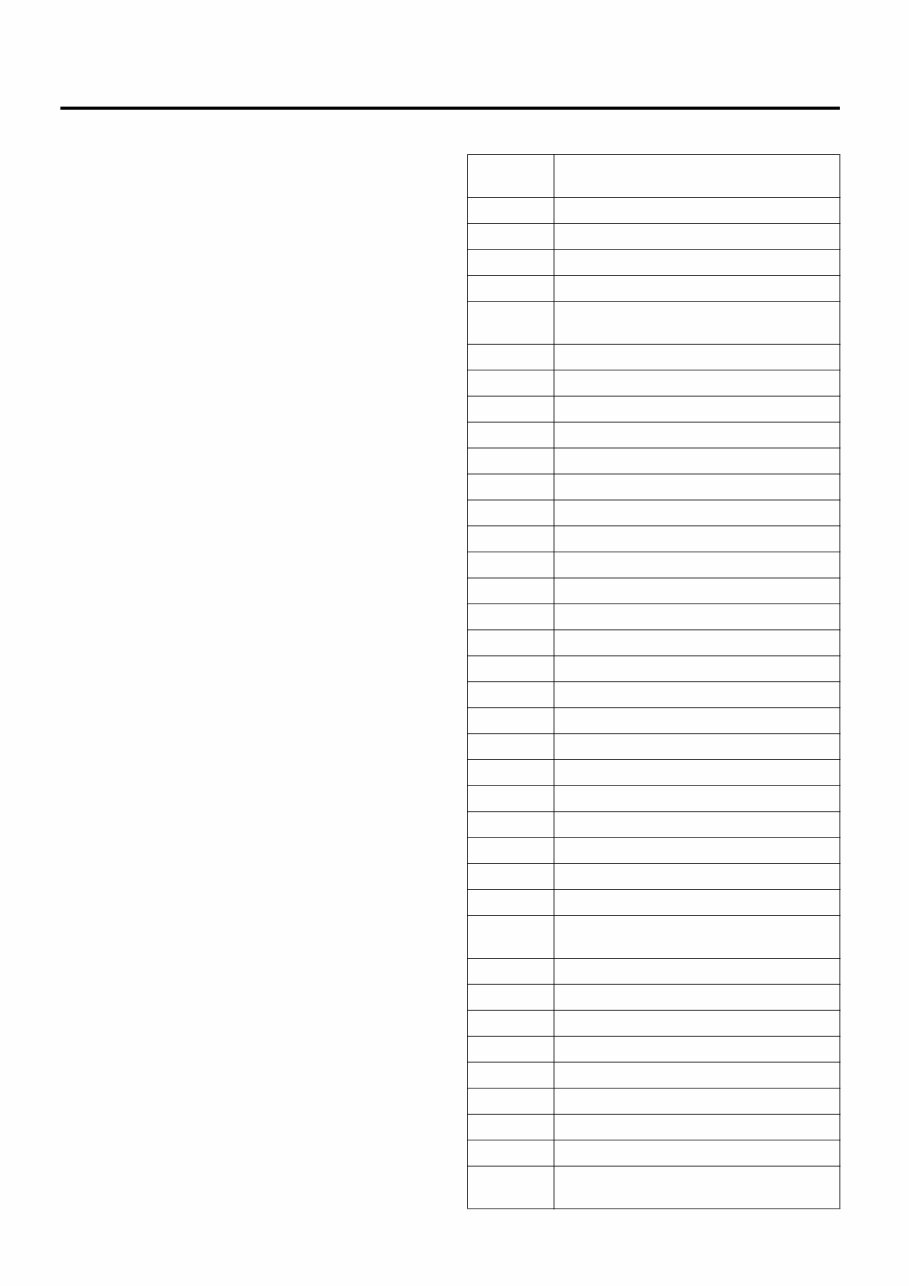
0A-8 General Information General Information Terminology, description of abbreviations Terminology definitions Maintenance standard The generic name for reference values required for maintenance, such as nominal dimension, assembly specification, and limit. Nominal dimension Shows the standard value at the point of manufacture that does not include the common difference. Assembly specification Shows the standard value after assembling, repairing, or adjusting. Service limit When this value (dimensions) is reached, it shows that the part has reached its full limit and must be replaced or repaired. Wear Shows the difference between the dimension of non- worn part (nominal dimension unless there is such part) and that of the most worn part (the dimension of worn part). Uneven wear Shows the difference between the maximum and the minimum wear amount. Front/Rear, Right/Left, Top/Bottom These show each orientations of parts installed to the vehicle when looking from the vehicle's forward direc- tion. Unit Units written to SI conventions (mainly torque, pres- sure, force) [Example] Length: mm, Torque: N⋅m {kgf⋅m} Warning Items that carry the warning mark pose a danger to life or threat of serious injury if not strictly observed. Caution Items that carry the caution mark may cause injury or lead to accidents if not strictly observed. Important Items that carry the important mark may cause the vehicle to break down, or may prevent the guaranteed normal operation of the system or related parts if not strictly observed. Note Items that should receive special mention within a work procedure. Description of abbreviations Abbrevia- tion Description AC Alternating Current ACC Accessory ACG Alternating Current Generator API American Petrol Institute ASM (Assy) Assembly ATDC After Top Dead Center BAT, BATT Battery BRG, Brg Bearing BKT, BRKT Bracket BTDC Before Top Dead Center CO Carbon Oxide CONN Connector CPU Central Processing Unit C/U Control Unit DC Direct Current DI Direct Injection ECU Engine Control Unit/Electronic Control Unit ECM Engine Control Module EGR Exhaust Gas Recirculation Exh, EXH Exhaust Ft, FRT Front FWD Forward F/C Fuel Cut GND Ground IC Integrated Circuit ID Plate Identification Plate IN Intake, Inlet ISO International Organization for Standardiza- tion I/PUMP Injection Pump JIS Japanese Industrial Standard L/H, LH Left Hand M/V Magnetic Valve NOx Nitrogen Oxide N-TDC Number - Top Dead Center OPT Option P Pole(S) PCV Pump Control Valve/Positive Crankcase Ventilation
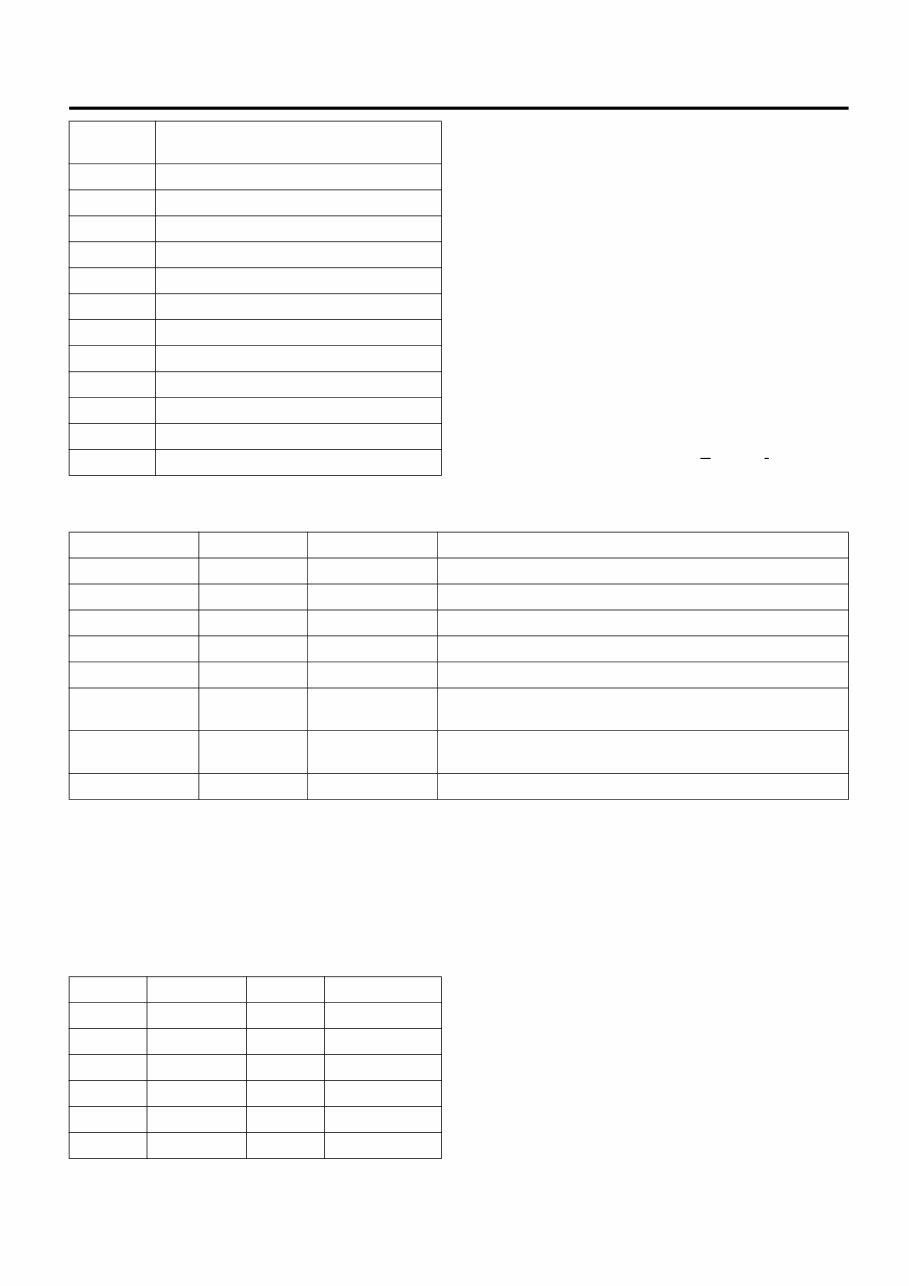
General Information 0A-9 SI (International System of Units) With regards the conversion to SI (International System of Units) The introduction of the SI systems aims to internation- ally unify the metric system and the various units used by different countries (traditional weights and mea- sures, the foot pound method etc.), and to curb the confusion that occurs between the different units (con- version calculations etc.). The new calculating method which adopted SI units was completely adopted in Japan in 1992, and is stan- dardized by JIS-Z-8203. All of the units in this manual are written in line with the International System of Units SI units, and conventional units are written in { } brackets. SI Abbreviation of French word “Le S ysteme I nternational d’Unites” Connection between main SI units and conventional units *1 Published service data may conveniently use kg for force and mass (weight) instead of kgf. *2 Some conversion results may be rounded off to 1 or 2 decimal places. Converting expressions of quantity When converting, prefixes such as k (kilo) or m (milli) are used. • 200 kgf/cm 2 = 19,620 kPa = 19.6 MPa • 40 mmHg = 5,332 Pa = 5.3 kPa Conversion formula Length • km × 0.6214 = mile •m × 3.281 = ft • mm × 0.03937 = in Pressure • kPa × 0.0101972 = kg/cm 2 • kPa × 0.145038 = psi • MPa × 10.197162 = kg/cm 2 • MPa × 145.03774 = psi Tightening torque •N⋅m × 0.101972 = kg⋅m •N⋅m × 0.737562 = lb⋅ft Speed • km/h × 0.6214 = MPH Temperature • °C × 1.8 + 32 = °F PM Particulate Matter PS Pre-Stroke PTO Power Take Off QOS Quick On System Rr, RR Rear R/H, RH Right Hand R/L Relay STD Standard SW Switch TICS Timing & Injection rate Control System VGS Turbo Variable Geometry turbocharger System W/L Warning Lamp Abbrevia- tion Description SI Conventional unit Item, unit conversion Length m m Same as the conventional unit Weight (Mass) kg kg Same as the conventional unit Force N * kg, kgf 1 kgf = 9.80665 N Torque N⋅m * kg⋅m, kgf⋅m 1 kgf⋅m = 9.80665 N⋅m Pressure Pa * kg/cm 2 , mmHg 1 kgf/cm 2 = 9.80665 kPa, 1 mmHg = 133.3 Pa Power output, horsepower W PS 1 PS = 0.74 kW Capacity, air vol- ume displacement m 3 Liter, L, cc 1 Liter = 1 dm 3 , 1 cc = 1 m Liter = 1 cm 3 Fuel consumption g/(kW⋅h) g/(PS⋅h) 1 g/(PS⋅h) = 1.360 g/(kW⋅h) M Mega 10 6 1,000,000 k Kilo 10 3 1,000 h Hecto 10 2 100 d Deci 10 -1 0.1 c Centi 10 -2 0.01 m Milli 10 -3 0.001 µ Micro 10 -6 0.000001
Upon purchasing this manual, you will receive a .PDF file containing an email contact. After contacting us, you will receive a reply with a link to access the manual for your Isuzu AU-4LE2 Diesel Engine.
This comprehensive manual covers every aspect of your machine, providing detailed guidance on every nut and bolt. With hundreds of pages, it offers instructions for tasks ranging from simple oil changes to complex transmission swaps, empowering both professional mechanics and DIY enthusiasts. The manual includes numerous illustrations to assist you in your work, accompanied by easy-to-understand text.
Utilize the search function to navigate the manual efficiently and print the necessary pages as needed. This Factory Service Repair Manual is designed to walk you through the fundamentals of maintenance and repair, providing step-by-step instructions to equip you with the knowledge mastered by factory-trained technicians.
By leveraging the insights within this service repair manual, any owner can confidently make informed decisions regarding the maintenance and repair of their machine.
Rest assured, in addition to the high-quality service manual, we are committed to delivering excellent customer service, ensuring your satisfaction.
Recently Viewed
5,521,897Happy Clients
2,594,462eManuals
1,120,453Trusted Sellers
15Years in Business
Price:
Actual Price:
Isuzu AU-4LE2 Diesel Engine Factory Service & Work Shop Manual



 Lifetime Access