



PART No. EM25N – CR3 – 1
Serial No. 000147 and up
Hydraulic Crawler Crane
Crane Edition

INTRODUCTION
©Hitachi Sumitomo Heavy Industries Construction Crane Co., Ltd.
All rights reserved.
Read this manual carefully to learn how to operate
and service your machine correctly. Failure to do so
could result in personal injury or machine damage.
This manual should be considered a permanent
part of your machine and should remain with the ma-
chine when you sell it.
This machine is of metric design. Measurements in
this manual are metric. Use only metric hardware and
tools as specified.
• SI Units (International System of Units) are used in
this manual.
For reference MKS system units and English units
are also indicated in parentheses after the SI units.
Example : 24.5 MPa (250 kgf/cm
2
, 3560 psi)
Right-hand and left-hand sides are determined by
facing in the direction of forward travel.
Write product identification numbers in the Ma-
chine Numbers section. Accurately record all the
numbers to help in tracing the machine should it be
stolen. Your dealer also needs these numbers when
you order parts. If this manual is kept on the machine,
also file the identification numbers in a secure place
off the machine.
Warranty is provided as part of our support program
for customers who operate and maintain their equip-
ment as described in this manual. The warranty is ex-
plained on the warranty certificate which you should
have received from your dealer.
This warranty provides you the assurance that we will
back its products where defects appear within the
warranty period. In some circumstances, we also pro-
vides field improvements, often without charge to the
customer, even if the product is out of warranty.
Should the equipment be abused, or modified to
change its performance beyond the original fac-
tory specifications, the warranty will become void
and field improvements may be denied. Setting fuel
delivery above specifications or otherwise overpow-
ering machines will result in such action.
The yellow pages in this operator’s manual contain
IMPORTANT SAFETY INFORMATION. Read these
pages thoroughly and familiarize yourself with the
safety standards and recommendations set forth in
these yellow pages of the manual. Follow all safety
instructions prior to and while operating the machine.
Only qualified, experienced operators officially li-
censed (according to local law) should be allowed to
operate the machine. Moreover, only officially licensed
personnel should be allowed to inspect/service the
machine.
All information, illustrations and specifications in this manual are based on the latest product information available
at the time of publication. The right is reserved to make changes at any time without notice.

CONTENTS
1 INTRODUCTION
1 INTRODUCTION.................................................. 1-1
2 MANUAL ORGANIZATION ................................. 1-1
3 MACHINE SERIAL NUMBER ............................. 1-2
4 MACHINE ORIENTATION .................................. 1-3
5 RECOGNIZE SAFETY INFORMATION ............. 1-4
6 SAFETY SIGNS ................................................... 1-5
2 SAFETY
1 BASIC PRECAUTIONS ........................................2-1
1.1 Follow Safety Instructions. ................................ 2-1
1.2 Wear Protective Items....................................... 2-1
1.3 Protect Against Noise........................................ 2-2
1.4 Do not Operate Machine in Bad Health. .......... 2-2
1.5 Coordinate Rules in Job Site with
Personnel Concerned. ................................ 2-2
1.6 Coordinate Signal Person’s Directions............. 2-3
1.7 Prepare for Emergency..................................... 2-3
1.8 Keep Personnel Clear of Working Area. .......... 2-3
1.9 Operate the Machine in the Correct Position. .. 2-4
1.10 Setting Up of the Machine............................... 2-4
1.11 Do Not Remove the Safety Devices............... 2-5
1.12 Mounting/Dismounting the Machine............... 2-5
1.13 Opening/Closing the Cab Door with Care...... 2-5
1.14 Operate Machine Only from
the Operator’s Seat. .................................... 2-6
1.15 Fasten Your Seat Belt (If Equipped)............... 2-6
1.16 Keep Riders off the Machine. ......................... 2-6
1.17 Do not Lift a Person. ....................................... 2-7
1.18 Prevent Tipping Over Accidents. .................... 2-7
1.19 Avoid Power Lines. ......................................... 2-8
1.20 Be Cautious about Electrification
Induced by High Voltage Radio Waves.... 2-10
1.21 Stop Operation when Lightning
Strikes are Expected. ................................ 2-10
1.22 Precautions for Wind..................................... 2-11
1.23 Precautions for Earthquakes. ....................... 2-20
1.24 Precautions for Stopping Operation of
Machine. .................................................... 2-21
1.25 Precaution for Swollen River and/or
High Tide in Beach. ................................... 2-22
1.26 Precautions for Optionally and/or
Specially Designed Equipment................. 2-22
2 PREPARATIONS FOR SAFETY OPERATION .2-23
2.1 Ensure Safety Job Site.................................... 2-23
2.2 Check Machine before Operation................... 2-23
2.3 Adjust Operator’s Seat Position...................... 2-25
2.4 Ensure Safety Before Starting Engine............ 2-25
2.5 Perform Warm Up Operation.......................... 2-25
2.6 Check after Starting Engine. ........................... 2-26
2.7 Do not Deactivate Safety Device Functions... 2-26
3 PRECAUTIONS FOR OPERATION...................2-27
3.1 Investigate Job Site Conditions. ..................... 2-27
3.2 Avoid Abrupt Operation................................... 2-27
3.3 Avoid Diffusive Operation. .............................. 2-27
3.4 Never Attempt to Leave Operator’s Seat. ...... 2-28
3.5 Operate Machine within Working Range
Shown in Gross Rated Load Table .......... 2-28
3.6 Prevent Boom and Jib from Coming
in Contact with Lifted Load........................ 2-29
3.7 Precautions Necessary to be Taken
when Engine Stalls.................................... 2-29
3.8 Keep away from Obstructions. ....................... 2-30
3.9 Pay Attention to any Abnormality in
Machine Operational Condition. ............... 2-30
3.10 Keep Good Visibility...................................... 2-30
3.11 Precautions for Operation in
Cold Weather Season............................... 2-31
3.12 Perform Combined Operations Carefully..... 2-31
3.13 Do not Use Boom in Push/Pull-Practices..... 2-32
3.14 Do not Relay only to Safety Devices............ 2-32
3.15 Precautions for Travel Operation. ................ 2-33
3.16 Pick-and-Carry. ............................................. 2-49
3.17 Avoid Injury from Traveling in Reverse or
Slewing Operation..................................... 2-50
3.18 Precautions for Slewing Operation............... 2-50
3.19 Never Allow the Lifted Load to Pass
over a Person. ........................................... 2-51
3.20 Be Cautious of Sway of the Unused Hook... 2-51
3.21 Precautions for Electing the Boom ............... 2-52
3.22 Do not Use a Boom/Jib Longer than Necessary.2-54
3.23 Do not Use Both the Front and Rear Drums
at the Same Time...................................... 2-55
3.24 Do not Lift More than one Load.................... 2-55
3.25 Do not Laterally Pull or Drag a Load with
the Hook. ................................................... 2-55
3.26 Do not Lift one Load with Two or
more Machines.......................................... 2-56
3.27 Know the Lifting Load Weight Beforehand. . 2-57
3.28 Do not Overload the Machine....................... 2-57
3.29 Do not Use the Machine to Extract Loads. .. 2-57
3.30 Do not Allow the Lifted Load to Free-Fall ..... 2-58
3.31 Prepare for Steady Braking Operation......... 2-58
3.32 Precautions for Lifting the Load
off the Ground. .......................................... 2-59
3.33 Prevent the Hook from Being Overhoisted. . 2-59
3.34 Lifting Operation of a Long-Shape Load ...... 2-60
3.35 Precautions for Extension in Working Radius. 2-60
3.36 Select Correct Hook Size and Number of
Sling Wire Ropes. ..................................... 2-61
3.37 Use the Drum Lock to Hold Lifted Load. ...... 2-61
3.38 Be Careful Not to Excessively Pay out
Wire Rope.................................................. 2-61
3.39 Rectify Irregular Winding or Twisting
of Wire Rope. ............................................ 2-62
3.40 Evacuate the Machine Safely if Overloaded.. 2-62
3.41 Precautions for Slinging ................................ 2-63
3.42 Precautions for Operating Clamshell
Bucket ........................................................ 2-66
3.43 Precautions for Lifting Magnet Operation ...... 2-68
3.44 Precautions for Vibration Hammer
Operation................................................... 2-69

CONTENTS
3.45 Lowering/Hoisting a Load to/from
the Under Ground Level............................ 2-70
3.46 Carefully Pull out a Buried Object Such
as a Pile. .................................................... 2-71
3.47 Precautions for Using a Breaking Steel Ball. . 2-72
4 PRECAUTIONS FOR PREPARATION OF
OPERATION AND TRANSPORTATION .........2-73
4.1 Setting Machine............................................... 2-73
4.2 Keep away from Machine when Giving Signals.2-73
4.3 Never Jump on or off the Machine. ................ 2-73
4.4 Assemble/Disassemble Machine in
Correct Procedures. .................................. 2-74
4.5 Do not Put Your Fingers and/or Hands into
Pin Holes when Aligning Pin Hole Center.. 2-74
4.6 Use Safety Belt when Working at
High Locations........................................... 2-74
4.7 Use Care when Changing A-Frame Height. .. 2-75
4.8 Precautions for Removing /Installing
Counterweight. .......................................... 2-75
4.9 Do not Enter the Inside of the Boom/Jib......... 2-75
4.10 Ensure Footings. ........................................... 2-76
4.11 Limit Boom/Tower Length when Raising
Boom/Tower with Wire Rope Supported
by Bridle. .................................................... 2-76
4.12 Use Tower Jib Coupler ................................. 2-76
4.13 Lower Tower Carefully. ................................. 2-77
4.14 Lower Boom Carefully................................... 2-77
4.15 Prevent Pendant Rope from Falling. ............ 2-77
4.16 Securely Support Tower/Boom/Jib............... 2-78
4.17 Carefully Drive out Pins................................. 2-78
4.18 Pay out Wire Rope in Correct Method. ........ 2-78
4.19 Wind Wire Rope in a Regular Alignment...... 2-79
4.20 Install Wire Rope Correctly. .......................... 2-79
4.21 Before Electing the Tower, Check if there is
a Part and/or Tool Remaining Behind on it.. 2-80
4.22 Before Electing the Boom, Check if there is a
Part and/or Tool Remaining Behind on It... 2-80
4.23 Ensure Safety Operation............................... 2-80
4.24 Loading/Unloading on Trailer........................ 2-81
4.25 Avoid Overloading Trailer. ............................ 2-81
4.26 Obey Associated Local Regulations............. 2-82
4.27 Investigate Local Traffic Regulation. ............ 2-82
4.28 Avoid Letting the Machine to Come in
Contact or Collide with Obstructions. ....... 2-82
4.29 Arrange a Signal Person............................... 2-83
4.30 Check Transportation Route Surfaces. ........ 2-83
4.31 Park Machine Safely. .................................... 2-83
5 PRECAUTIONS FOR MAINTENANCE..............2-84
5.1 Use Genuine Hitachi Sumitomo Parts............ 2-84
5.2 Replace Crucial Parts at Regular Intervals. ... 2-84
5.3 Carry out Monthly Inspection. ......................... 2-84
5.4 Carry out Yearly Inspection............................. 2-85
5.5 Coordinate with Personnel Concerned........... 2-85
5.6 Carry out Maintenance Work on
a Solid Level Surface. ............................... 2-86
5.7 Beware pf Exhaust Fumes.............................. 2-86
5.8 Precautions for Working at High Position....... 2-87
5.9 Clear off and Clean the Vicinity Around
the Machine............................................... 2-87
5.10 Attach a “DO NOT OPERATE” Tag. ............ 2-87
5.11 Keep Unauthorized Personnel Out of
Working Area............................................. 2-88
5.12 Use Protective Items..................................... 2-88
5.13 Protect Against Flying Parts. ........................ 2-88
5.14 Appoint a Job Site Conductor....................... 2-89
5.15 Repair the Machine as soon as any
Abnormality is Found. ............................... 2-89
5.16 Begin to Work only After the Engine Is
Stopped. .................................................... 2-89
5.17 Maintain Brakes in Good Order.................... 2-90
5.18 Precautions for Handling Batteries ............... 2-90
5.19 Stay Clear of Moving Parts........................... 2-91
5.20 Avoid High-Pressure Oil. .............................. 2-91
5.21 Prevent Fires. ................................................ 2-92
5.22 Securely Support Raised Machine............... 2-92
5.23 Handle Fluid Safely....................................... 2-93
5.24 Prevent Burns. .............................................. 2-93
5.25 Always Use Proper Work Light..................... 2-93
5.26 Precautions for Maintenance of
Electric System.......................................... 2-94
5.27 Lock Opened Doors and/or Covers.............. 2-94
5.28 Do not Hang out of the Cab Window Toward
the Tower/Boom........................................ 2-94
5.29 Do not Drop a Tool and/or Part. ................... 2-95
5.30 Watch out Your Step and Head.................... 2-95
5.31 Precautions for Washing the Machine ......... 2-95
5.32 Precautions for Welding................................ 2-96
5.33 Do not Heat Hydraulic Components
and/or Lines............................................... 2-96
5.34 Do not Modify any Parts/Components. ........ 2-96
5.35 Repair the Tower, Boom, or Jib on
the Ground................................................. 2-97
5.36 Do not Use Damaged Tower, Boom,
and/or Jib................................................... 2-97
5.37 Never Weld Another Object to the Tower,
Boom, or Jib. ............................................. 2-97
5.38 Precautions for Handling Wire Rope............ 2-98
5.39 Inspect Wire Rope Correctly......................... 2-98
5.40 Install Rope Socket Correctly. ...................... 2-98
5.41 Use the Tool Appropriate to the Work.......... 2-99
5.42 Do not Adjust the Hydraulic Components.... 2-99
5.43 Precautions for Using Booster Batteries. ..... 2-99
5.44 Prevent Fires. .............................................. 2-100
5.45 Prevent Burns. ............................................ 2-102
5.46 Handle Hazardous Chemicals Safely. ....... 2-103
5.47 Dispose of Waste Properly. ........................ 2-103
5.48 Service Air Conditioner Safely.................... 2-104
5.49 Be Sure to Recover Freon.......................... 2-104
5.50 Precautions to be Taken after Servicing
the Machine............................................. 2-104
5.51 Store the front Attachment Safely. ............. 2-105

CONTENTS
3 COMPONENTS NAME AND FUNCTION
1. MAJOR COMPONENT LOCATIONS..................3-1
1.1 Crane Attachment ............................................. 3-1
1.2 Undercarriage.................................................... 3-2
2 OPERATOR’S STATION LAYOUT ......................3-3
2.1 Locations and Component Names ................... 3-3
2.1.1 Overall View of Operator’s Station ................ 3-3
2.1.2 Operator’s Station .......................................... 3-4
2.2 Levers and Pedals ............................................ 3-5
2.2.1 Lock Lever ...................................................... 3-5
2.2.2 Drum Levers ................................................... 3-6
2.2.3 Travel Levers.................................................. 3-7
2.2.4 Slewing Lever ................................................. 3-7
2.2.5 Pedals ............................................................. 3-8
2.3 Left Stand .......................................................... 3-9
2.3.1 Location and Names of Switches and Dials ... 3-9
2.3.2 Switches and Dials ....................................... 3-10
2.4 Right Stand ...................................................... 3-13
2.4.1 Location and Names of Switches ................ 3-13
2.5 Side overhead panel ....................................... 3-14
2.6 Rear Overhead Panel ..................................... 3-14
2.7 Monitor Panel .................................................. 3-16
2.8 Operator’s Seat ............................................... 3-21
2.8.1 Seat Adjustment ........................................... 3-21
2.9 Air Conditioner ................................................. 3-23
2.9.1 Part Name .................................................... 3-23
2.9.2 Names and Functions of Switches
and Indicators on Controller ...................... 3-23
2.9.3 Cooling Operation ........................................ 3-24
2.9.4 Heating Operation ........................................ 3-24
2.9.5 Dehumidification and Heating Operation .... 3-25
2.9.6 Air Blowing.................................................... 3-25
2.9.7 Ventilation ..................................................... 3-25
2.10 FM/AM Radio ................................................ 3-26
2.10.1 Controls and Switches ............................... 3-26
2.10.2 Tuning......................................................... 3-26
2.10.3 Presetting Stations ..................................... 3-27
2.10.4 Setting Clock .............................................. 3-27
2.11 Fuse Box ....................................................... 3-28
2.11.1 Fuse Box 1 ................................................. 3-28
2.11.2 Fuse Box 2 ................................................. 3-28
2.12 Level .............................................................. 3-29
2.13 Alarm and Advance Notice Output Unit ....... 3-30
3 SAFETY DEVICES..............................................3-31
3.1 Precautions for Safety Device Operation ....... 3-32
3.2 Safety Device Operation ................................. 3-34
3.2.1 Hook Hoisting Limiter ................................... 3-34
3.2.2 Boom Derrick Limiter.................................... 3-35
3.2.3 Secondary Boom Overhoist
Prevention Device ..................................... 3-36
3.3 Rated Capacity Limiter (Overload
Prevention Device) .................................... 3-37
3.3.1 Main Functions of Rated Capacity Limiter
and Precautions for Rated Capacity
Limiter Operation......................................... 3-38
3.3.2 Information Display Controller Function ...... 3-40
3.3.3 Switch Panel Operation ............................... 3-43
3.3.4 Display Screen Shift Order .......................... 3-44
3.3.5 Operation of Machine Specification Screen . 3-46
3.3.6 Operation of ML Screen............................... 3-49
3.3.7 Operation of Menu Screen .......................... 3-52
3.3.8 Operation of Machine Specification Screen . 3-53
3.3.9 Operation of Inspection Screen ................... 3-53
3.3.10 Operation of Working Range
Restriction Screen..................................... 3-59
3.3.11 Operation of Gross Rated Load Table
Screen ....................................................... 3-68
3.3.12 Operation of Adjustment Screen ............... 3-69
3.3.13 Operation of Hook Height Adjustment
Screen...................................................... 3-71
3.3.14 Operation of Operation Instructions
Screen ....................................................... 3-72
3.3.15 Operation of Boom Storage....................... 3-73
3.3.16 Operation of Boom Erection. ..................... 3-74
3.3.17 Display Screens of Transportation
Position, etc. .............................................. 3-75
3.4 Display of Error Codes .................................... 3-76
3.5 Slewing Alarm Light ........................................ 3-78
3.6 Alarm and Advance Notice Device................. 3-79
3.7 3 Color Percentage Indicator Light (Optional) . 3-82
3.8 Emergency Machine Operation Stop System . 3-83
4 OPERATION
1 MOUNTING/DISMOUNTING OPERATOR’S
CAB..................................................................... 4-1
2 INSPECT MACHINE DAILY BEFORE
OPERATION ...................................................... 4-1
3 INSPECT MACHINE BEFORE STARTING
ENGINE .............................................................. 4-1
3.1 Check Levers and Switches ............................. 4-1
3.1.1 Check the Brake and Slewing Lock Pedals .. 4-1
3.1.2 Check Levers ................................................. 4-2
3.1.3 Check Switches.............................................. 4-2
4 START ENGINE ................................................... 4-4
4.1 Starting the Engine............................................ 4-4
4.2 Starting in Cold Weather................................... 4-5
4.3 Using Booster Batteries .................................... 4-6
4.3.1 Connecting Booster Batteries........................ 4-6
4.3.2 Disconnecting Booster Batteries ................... 4-7
5 INSPECTION AND OPERATION AFTER
STARTING ENGINE .......................................... 4-8
5.1 Warming Up Operation ..................................... 4-8
5.1.1 Warming Up Operation at Normal Ambient
Temperature................................................ 4-8
5.1.2 Warming Up Operation at Low Ambient
Temperature................................................ 4-8
5.2 Inspection of Monitor Panel ............................... 4-9
5.3 Inspection of Brake Mode Lights ...................... 4-9
5.4 Inspection of Engine Sound and Exhaust
Gas Color .................................................... 4-9

CONTENTS
6 INSPECTION, SETTING, AND CONFIRMATION
OF RATED CAPACITY LIMITER (OVERLOAD
PREVENTION DEVICE) ...................................4-10
6.1 Inspection and Operation before Starting
Machine Operation .................................... 4-10
6.2 Setting and Confirmation of Overload
Prevention Device ..................................... 4-11
7 STOPPING ENGINE ...........................................4-12
8 ENGINE SPEED CONTROL ..............................4-13
8.1 Control by Accelerator Grip............................. 4-13
8.2 Constant Engine Speed Control ..................... 4-14
9 OPERATING FRONT AND REAR DRUM..........4-16
9.1 Selecting Drum Brake Mode........................... 4-16
9.2 Operating Brake Mode Switch ........................ 4-17
9.2.1 Shifting Auto-Brake Mode to
Free-Brake Mode ...................................... 4-18
9.2.2 Shifting Free-Brake Mode to Auto-Brake
Mode .......................................................... 4-18
9.3 Hoist/Lower Operation .................................... 4-19
9.3.1 When Brake Mode Switch is Placed in the
Auto-Brake Position................................... 4-20
9.3.2 When Brake Mode Switch is Placed in the
Free-Brake Position................................... 4-21
10 DRUM LOCK OPERATION (FRONT, REAR
AND THIRD DRUMS) .......................................4-23
11 BOOM DERRICKING OPERATION.................4-24
11.1 Derricking Operation ..................................... 4-25
11.2 Operation Method to be Applied to a Machine
That has Automatically Stopped ............... 4-26
11.2.1 When the Boom Derrickig Limiter
is Activated ................................................ 4-26
12 SLEWING OPERATION (INCLUDING OPERATIONS
OF THE SLEWING BRAKE AND LOCK) .............4-27
12.1 Slewing Operation ......................................... 4-28
13 TRAVEL OPERATION ......................................4-29
14 CLAMSHELL OPERATION ..............................4-31
14.1 Precautions for Clamshell Work.....................4-31
14.2 Preparation .................................................... 4-32
14.3 Excavation Work ........................................... 4-33
14.4 Hydraulic Tagline (Sway Prevention Device)
(Optional) ................................................... 4-34
14.5 Replacement and Winding Procedure of
Wire Rope.................................................. 4-37
15 VIBRATORY HAMMER OPERATION .............4-38
15.1 Selection of Crane for Vibratory Hammer
Work........................................................... 4-40
15.2 Precautions for Using Vibratory Hammer
(Including a case of work performed
unavoidably without using a supporting
frame.)........................................................ 4-41
5 ASSEMBLING/DISASSEMBLING
1. ASSEMBLING ......................................................5-1
1.1 Preparation and Precautions ............................ 5-1
1.1.1 Practices before beginning work ................... 5-1
1.1.2 Selection of work area ................................... 5-1
1.1.3 Equipment and items to be prepared ............ 5-2
1.1.4 Necessary number of personnel ................... 5-2
1.1.5 Keep all unauthorized persons clear from
working area................................................ 5-2
1.2 Unloading Base Machine from Trailer.............. 5-3
1.2.1 When the crawlers are not mounted: ............ 5-3
1.2.2 When the crawlers are mounted ................... 5-9
1.3 Install Crawlers ................................................ 5-10
1.4 Extend Width of Crawler ................................. 5-17
1.5 Install Side walkway (Optional)....................... 5-19
1.5.1 Installation .................................................... 5-19
1.5.2 Storing .......................................................... 5-19
1.5.3 Overhang...................................................... 5-19
1.6 Install Boom Base Section.............................. 5-20
1.7 Install Back Stop.............................................. 5-22
1.8 Wind Boom Derricking Drum Wire Rope ....... 5-24
1.9 Install Bridle to Boom Base Section ............... 5-28
1.10 Extend A-Farme ............................................ 5-30
1.11 Change Rear Drum Brake Hose Connection . 5-32
1.12 Install Counterweights................................... 5-33
1.13 Configurations of Boom/Jib and
Pendant Rope ........................................... 5-36
1.13.1 When crane exclusive boom is used ........ 5-36
1.13.2 When tower and crane common
boom is used ............................................. 5-40
1.14 Conditions to Erect Boom and Jib ................ 5-45
1.14.1 When a crane exclusive boom is installed ... 5-45
1.14.2 When a tower and crane common boom is
installed...................................................... 5-48
1.15 Install Boom Top Section.............................. 5-51
1.16 Set Pads ........................................................ 5-56
1.17 Install Stanchions and Support Wire Ropes
(Optional) ................................................... 5-57
1.18 Install Extension Boom ................................. 5-60
1.19 Install Fly Jib.................................................. 5-69
1.20 Install Short Jib.............................................. 5-73
1.21 Install Hook and Wire Rope .......................... 5-74
1.21.1 Install Wire Rope to Front Drum................ 5-74
1.21.2 Install Wire Rope to Rear Drum ................ 5-77
1.21.3 Install Wire Rope from Third Drum
(Optional) ................................................... 5-78
1.22 Install Rope Socket ....................................... 5-80
1.22.1 Installation of Front Drum Wire Rope
Socket ........................................................ 5-80
1.22.2 Installation of Rear Drum Wire Rope
Socket ........................................................ 5-81
1.23 Wiring ............................................................ 5-82
1.23.1 Wiring on Boom ......................................... 5-82
1.23.2 Connect Boom Angle Sensor Cable ......... 5-84
1.23.3 Connect Hook Hoisting Limiter Cable ....... 5-85
1.24 Remove Stanchions and Support Rope
(Optional) ................................................... 5-87
1.25 Boom Erection............................................... 5-88
1.25.1 Check Machine After Assembling ............. 5-88

CONTENTS
1.25.2 Check Before Boom Erection .................... 5-89
1.25.3 Boom Erection............................................ 5-90
2. DISASSEMBLE MACHINE FOR
TRANSPORTATION .........................................5-91
2.1 Preparation and Precautions for
Disassembling ........................................... 5-91
2.1.1 Practices before beginning work ................. 5-91
2.1.2 Selection of work area.................................. 5-91
2.1.3 Equipment and items to be prepared .......... 5-91
2.1.4 Necessary number of personnel.................. 5-92
2.1.5 Keep all unauthorized persons clear from
working area .............................................. 5-92
2.2 Set Pads .......................................................... 5-93
2.3 Check Before Lowering Boom........................ 5-94
2.3.1 Lower Boom ................................................. 5-95
2.4 Install Stanchions and Support Ropes
(Optional) ................................................... 5-97
2.5 Wind Front/Rear Drum Wire Rope ................. 5-99
2.6 Disconnect Electrical Cables ........................ 5-100
2.6.1 Wind Boom Cable ...................................... 5-100
2.6.2 Wind Fly Jib Cable ..................................... 5-101
2.7 Remove Short Jib.......................................... 5-102
2.8 Disassemble Fly Jib ...................................... 5-103
2.9 Disassemble Boom ....................................... 5-106
2.9.1 Disassemble Basic Boom .......................... 5-106
2.9.2 Disassemble Extension Boom................... 5-111
2.10 Remove Stanchions and Support Ropes
(Optional) ................................................. 5-118
2.11 Remove Counterweights ............................ 5-119
2.12 Retract A-Frame.......................................... 5-122
2.13 Install Bridle to A-Frame.............................. 5-124
2.14 Unwind Boom Derricking Drum Wire Rope. 5-126
2.15 Remove Back Stop ..................................... 5-128
2.16 Remove Boom Base Section ..................... 5-130
2.17 Remove Side Walkway (Optional).............. 5-131
2.18 Retract Width of Crawlers (when transporting
the machine with the crawlers) ............... 5-132
2.19 Remove Crawlers (Transportation with the
crawler removed)..................................... 5-135
2.20 Loading Base Machine onto Trailer............ 5-142
2.20.1 When the crawlers are mounted ............. 5-142
2.20.2 When the crawlers are not mounted ....... 5-143
2.21 Maintenance after Disassembly ................. 5-146
3 HANDLING WIRE ROPE ................................. 5-147
3.1 Wire Rope Specifications and Lengths ........ 5-147
3.1.1 Crane Wire Ropes...................................... 5-147
3.1.2 Clamshell Wire Ropes(Optional ) .......... 5-148
3.1.3 Hydraulic Tag Line Wire Rope (Optional) .5-148
3.1.4 Reeving Winch Wire Rope......................... 5-148
3.1.5 Required Wire Rope Length ...................... 5-149
3.2 Outline of Wire Rope ..................................... 5-154
3.2.1 Construction of Wire Rope......................... 5-154
3.2.2 Types of Wire Ropes and Their
Characteristics ......................................... 5-156
3.2.3 Standard Wire Ropes................................. 5-158
3.3 General Wire Rope Handling........................ 5-159
3.3.1 Precautions for Handling ........................... 5-159
3.3.2 Rope Winding on Drum ............................. 5-160
3.3.3 Wire Rope Winding Method ...................... 5-162
3.3.4 Correction Method of Rope
Entanglement .......................................... 5-164
6 TRANSPORTATION
1 TRANSPORTATION ON PUBLIC ROADS ......... 6-1
1.1 Precautions for Transportation ......................... 6-1
2 TRANSPORTATION AT JOB SITE ..................... 6-2
2.1 Precautions for Transportation at Job Site....... 6-2
2.2 Operational Conditions on Partially
Disassembled Machines............................. 6-3
2.2.1 Supplementary explanations for the
terminologies and conditions described
in the following tables .................................. 6-3
2.2.2 Slewing Operation with Base Machine
Jacked Up.................................................... 6-4
2.2.3 Operational Conditions on Partially
Disassembled Machines
(With only lower boom attached) ................ 6-5
2.2.4 Operational Conditions on Partially
Disassembled Machines
(With basic boom attached) ........................ 6-6
3 APPROX. WEIGHTS AND DIMENSIONS OF
SUBASSEMBLY UNITS .................................... 6-7
3.1 Base Machine and Counterweights ................. 6-7
3.2 Boom ................................................................. 6-9
3.3 Jib ................................................................... 6-11
3.4 Hook ................................................................ 6-12
7 MAINTENANCE
Refer to Common Edition
8 SPECIFICATIONS
Refer to Common Edition
9 INDEX.................................................................9-1
1 INTRODUCTION
1-1
1 INTRODUCTION
This Operator’s Manual is intended to provide safety instructions and correct operating procedures and
practices.
WARNING
• Improper operation of the machine may cause serious personal injury or damage to the
machine. Go through this manual and instructions on caution plates on the machine before
operating or servicing the machine.
Keep the manual at hand in a convenient place for repeated reading by the operator and
mechanics.
• The machine is designed and manufactured according to local standards and regulations in
the country to which the machine is shipped.
When the machine is purchased from another country or used in another country, the applied
safety devices and specifications may differ. For detailed information, contact us or our
serviceshop.
• Manual descriptions may differ from the delivered machine due to improvements after the publication of the
manual. In this case, contact us or your nearest serviceshop for details.
• Standard and optional equipment described in the manual may differ from the delivered machine. In this case,
refer to the specifications for the delivered machine, sales contract or others.
• For the engine and accessories, refer to the engine manufacture’s instruction manual.
• When transferring the machine to another party, the machine should be accompanied with the manual.
• If the manual is damaged or missed, acquire a new one from your nearest serviceshop.
• When ordering parts, refer to the Parts Catalog.
• For your convenience, our distributors and serviceshops are listed at the end of this manual.
2 MANUAL ORGANIZATION
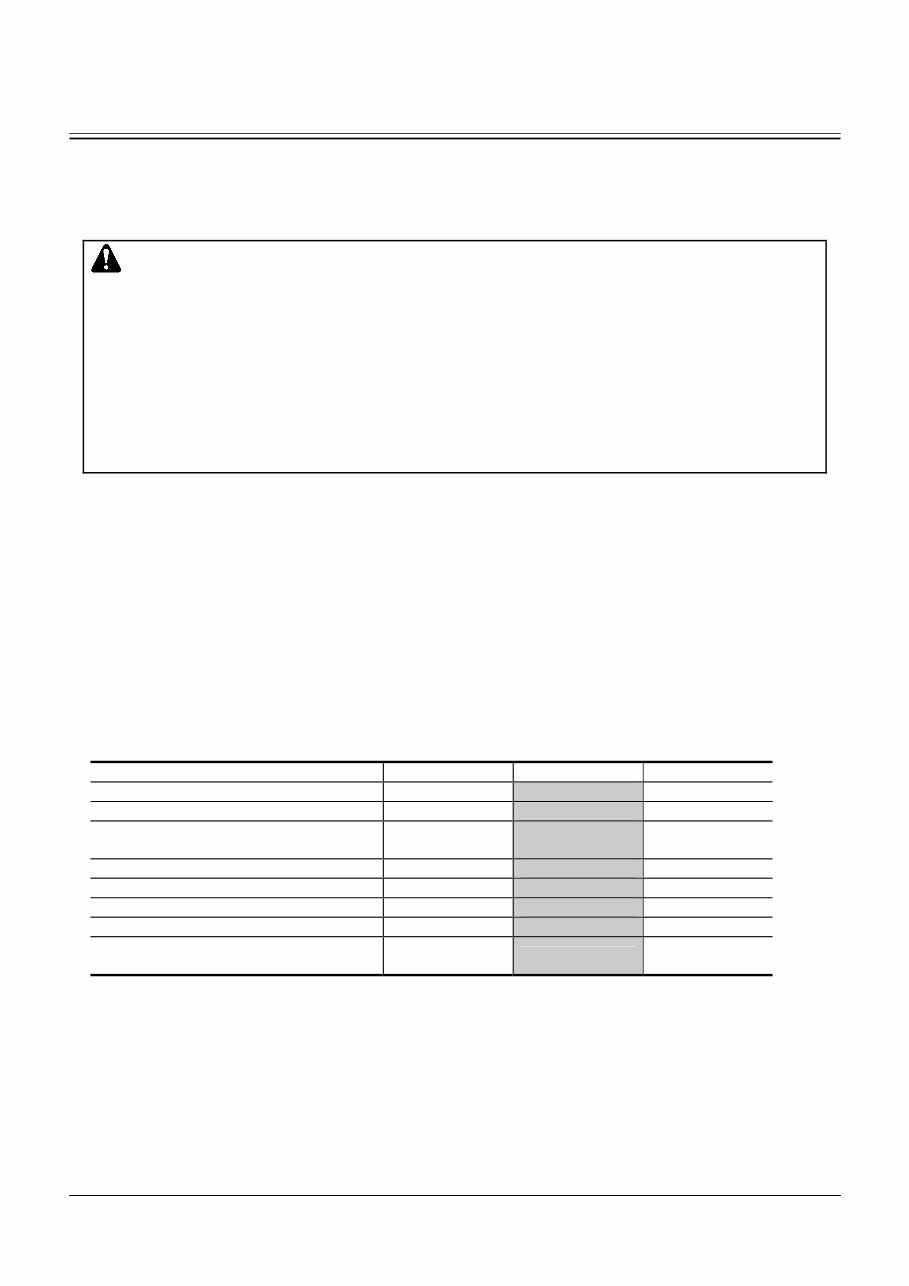
The Operator’s Manual consists of three volumes. This edition is the second volume (Crane edition).
Volumes Common Edition Crane Edition Tower Edition
Section 1 Introduction ● ● ●
Section 2 Safety ● ● ●
Section 3 Component Names and
Functions
● ●
Section 4 Operation ● ●
Section 5 Assembly and Disassembly ● ●
Section 6 Transport ● ●
Section 7 Inspection and Maintenance ●
Section 8 Specifications
(Lifting Capacities)
●
• Each section is contained in volume(s) marked with ●, as listed above.
1 INTRODUCTION
1-2
3 MACHINE SERIAL NUMBER
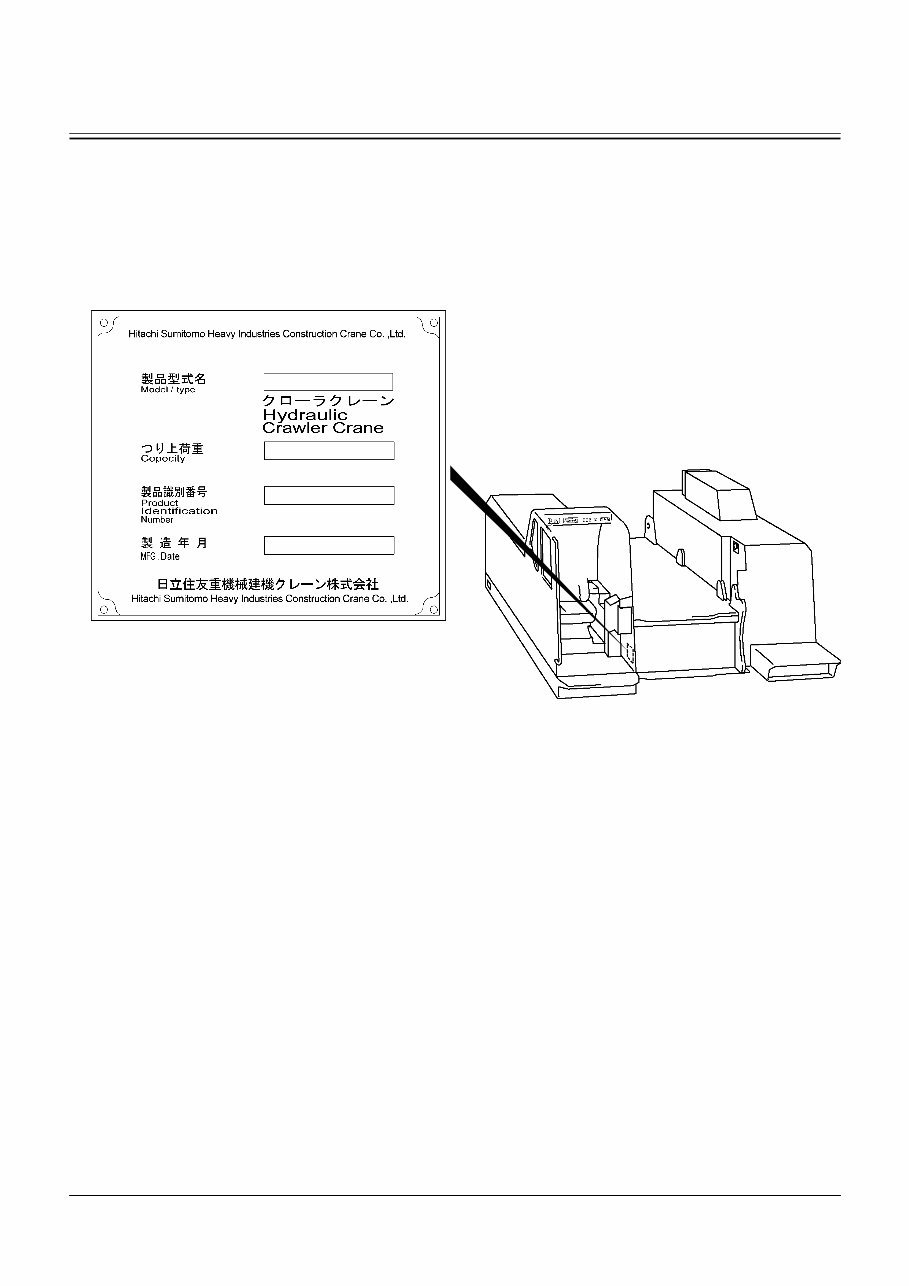
Machine serial number is stamped on the nameplate
affixed inside the operator’s cab.
On inquiry, please inform us of machine serial number.
M25N-01-028
M25N-01-001
Nameplate
1 INTRODUCTION
1-3
4 MACHINE ORIENTATION
• Machine Orientation
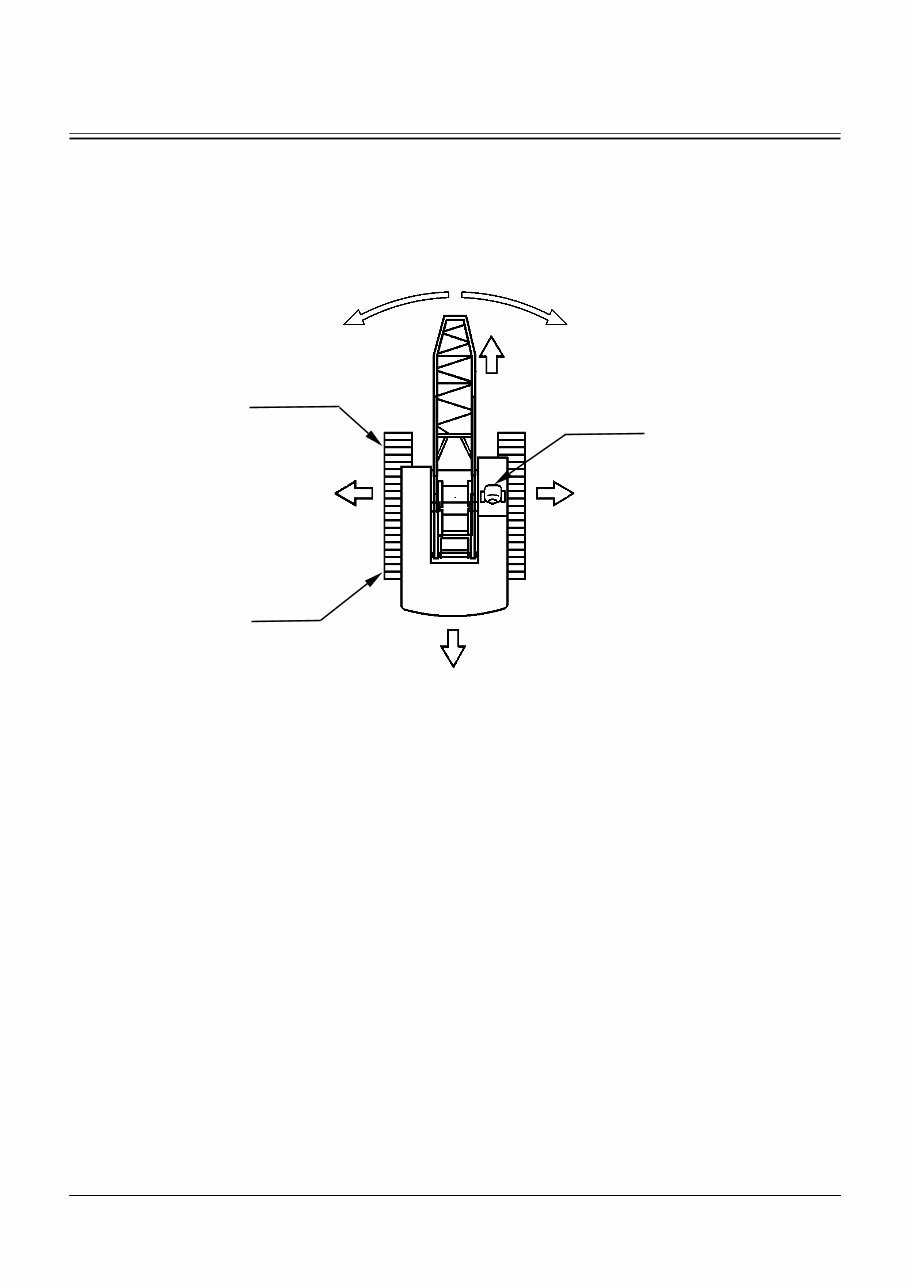
• Front, rear, left and right are designated as viewed forward from the operator seat. Reference location is the
take-up tumbler that is located at the “Front” side of the crawler.
ひだ
M332-01-007
Operator Seat
Travel Motor
Take-up Tumbler
Rear
Left Right
Front
Right Slewing Left Slewing
You're Reading a Preview
What's Included?
 Lifetime Access
Fast Download Speeds
Online & Offline Access
Access PDF Contents & Bookmarks
Full Search Facility
Print one or all pages of your manual
$71.99
SUMITOMO SCX900-2 Hydraulic Crawler CRANE Operators Manual
Viewed 86 Times Today

What's Included?
Lifetime Access
Fast Download Speeds
Online & Offline Access
Access PDF Contents & Bookmarks
Full Search Facility
Print one or all pages of your manual
$71.99

Secure transaction
What's Included?
Lifetime Access
Fast Download Speeds
Online & Offline Access
Access PDF Contents & Bookmarks
Full Search Facility
Print one or all pages of your manual
Description
Ensure safe and proper operation and maintenance of your Sumitomo SCX900-2 Hydraulic Crawler Crane with this comprehensive manual. Whether you're a professional mechanic or a DIY enthusiast, this manual is an essential tool for understanding the machine's functionality and ensuring its longevity.
- Serial numbers: 000147 and up
- File Format: .PDF
- Pages: 438
- Size: 10Mb
- Manual Language: English
The manual covers the following essential topics:
- Introduction
- Safety
- Components Name and Function
- Operation
- Assembling/Disassembling
- Transportation
- Maintenance
- Specifications
- Index
Keep this manual with your machine at all times, as it is a permanent part of your equipment. For any inquiries or to obtain this sought-after manual, feel free to reach out. Have a great day!


