





You're Reading a Preview
 Lifetime Access
2012 Subaru Forester (SH) OEM Service & Repair Manual
 Lifetime Access
 Lifetime Access
Description
2012 Subaru Forester (SH) OEM Service & Repair Manual
Engines covered:
- 2.5L EJ25 H4
- 2.5L EJ25 H4 turbo
The 2012 Subaru Forester (SH) OEM Service & Repair Manual is a detailed workshop reference for servicing and repairing third-generation Subaru Forester models. Covering both the naturally aspirated 2.5L EJ25 H4 and the 2.5L EJ25 H4 turbo engines, this manual includes the kind of factory repair procedures, service data, and diagnostic information used when working on the Forester’s engine, drivetrain, chassis, body, and electrical systems.
This manual is a good fit for both pro mechanics and novice DIY owners who want proper repair information before getting into the job. Whether you are handling routine maintenance, tracking down an AWD issue, working through suspension wear, diagnosing an engine performance fault, or dealing with electrical problems, having the right service and repair manual nearby makes the whole job easier to follow and a lot more organized.
What’s Inside the 2012 Subaru Forester (SH) OEM Service & Repair Manual
General Information & Service Procedures
This section usually lays out the basics for the rest of the manual, including vehicle identification, workshop precautions, repair notes, recommended materials, and full service specifications. It is the kind of section worth looking over first, especially if you are dealing with a larger repair and want to make sure the job starts off on the right foot.
Scheduled Maintenance & Pre-Delivery Inspection Procedures
Maintenance coverage typically includes service intervals, inspection items, and dealership-style pre-delivery checks. For a Forester that is still being driven daily, staying on top of regular service matters, and this section helps keep routine upkeep from turning into bigger repair work later on.
Engine Mechanical Systems (H4DO & H4DOTC)
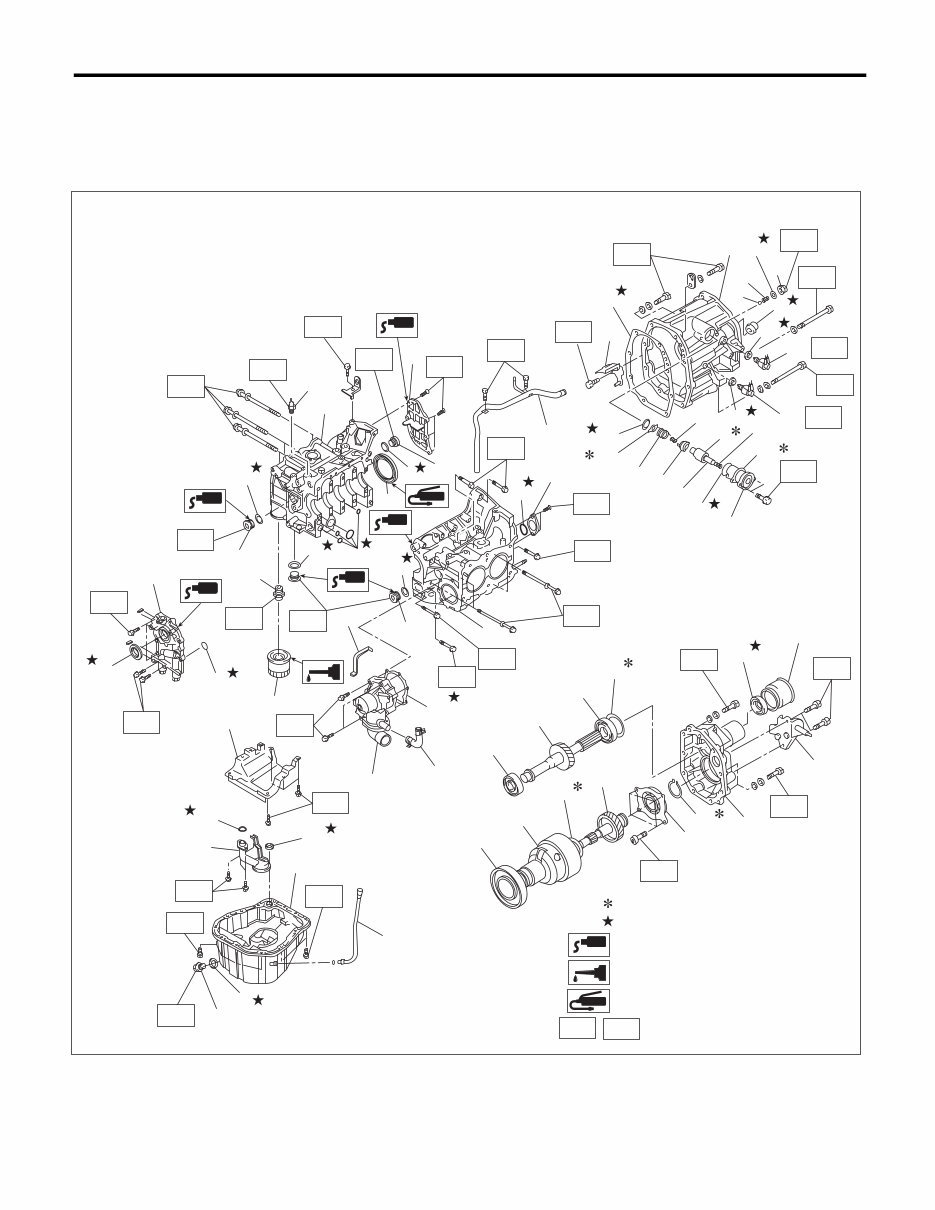
This part of the manual covers the Subaru Boxer engines fitted to the 2012 Forester, including internal engine components, disassembly, inspection, and rebuilding procedures. It is especially useful for larger engine jobs such as sealing work, timing-related repairs, top-end service, and mechanical inspection of the EJ25 engine family.
Fuel Injection & Engine Management Systems
Fuel and engine control coverage usually includes service procedures for fuel injection components, engine control modules, and electronic engine management diagnostics. If the vehicle develops hesitation, rough running, hard starts, or warning-light-related performance issues, this section is one of the first places worth checking.
Air Intake, Induction & Exhaust Systems
This section generally covers intake components, induction system service, exhaust repairs, and emissions-related hardware. It is useful for drivability concerns, intake leaks, worn exhaust parts, and general inspection of the systems that help the engine breathe and run properly.
Engine Cooling & Lubrication Systems
Cooling and lubrication service usually includes radiator components, coolant circulation checks, oil flow system service, and inspection of major lubrication-related parts. If the Forester is running hot, leaking coolant, showing oil pressure concerns, or due for deeper cooling system inspection, this is one of the key sections to have nearby.
Ignition, Starting & Charging Systems
This part of the manual covers ignition system diagnostics, starter motor service, charging system repairs, and related electrical engine components. It helps when the vehicle starts cranking slowly, refuses to start, misfires, or shows charging system faults that need proper testing and repair steps.
Engine Diagnostics & Performance Troubleshooting
Modern engine faults do not always point to one obvious cause, so this section is especially useful. It usually includes advanced diagnostic procedures for sensors, engine performance testing, and symptom-based troubleshooting for poor running, idle issues, power loss, and other driveability problems.
Transmission Systems & Drivetrain Components
Transmission coverage generally includes service procedures for automatic transmissions, manual transmissions, clutch systems, and related differential assemblies. This section is useful for shift concerns, clutch wear, drivetrain noise, and the kind of transmission-related work that needs more than just a fluid change.
Transfer Case & AWD Drivetrain Systems
Since Subaru all-wheel drive is one of the big parts of the Forester’s design, this section matters quite a bit. It usually covers inspection and repair procedures for AWD drivetrain components, transfer-related assemblies, and driveshaft systems. If the vehicle develops binding, vibration, driveline noise, or AWD performance issues, this section helps guide the work properly.
Suspension Systems (Front & Rear)
Suspension coverage typically includes struts, springs, control arms, and chassis alignment-related components. For higher-mileage Foresters, this is a very useful section when the ride gets rough, the steering feels loose, tire wear becomes uneven, or worn suspension parts start making themselves known.
Steering System & Power Steering
This section covers steering components, power steering service, and steering diagnostics. If the wheel feels heavy, loose, noisy, or starts leaking fluid, this part of the manual helps break the job down into a more manageable sequence.
Brake System & Parking Brake
Brake service information usually includes disc brake repairs, hydraulic system service, parking brake assemblies, and brake-related diagnostics. It is useful for routine brake jobs, worn components, poor pedal feel, and general braking system troubleshooting when stopping performance is no longer where it should be.
Wheel, Tire & Tire Pressure Monitoring System (TPMS)
This part of the manual covers wheels, tires, TPMS service, and related diagnostics. It is handy for regular tire and wheel service, handling-related inspection, and tracking down warning issues tied to tire pressure monitoring components.
Vehicle Dynamics Control (VDC) System
VDC system coverage usually includes diagnostics and repair procedures for Subaru’s stability control components. When warning lights come on or the system starts acting up, having proper service information for the control side of the vehicle makes diagnosis a lot easier.
Heating, Ventilation & Air Conditioning (HVAC)
This section generally covers heater components, air conditioning systems, and automatic climate control diagnostics where applicable. It is useful for weak cabin heat, poor cooling, blower motor problems, airflow concerns, or general HVAC system faults.
Airbag System & Supplemental Restraint System (SRS)
Airbag and restraint system coverage includes service and diagnostic procedures for airbag modules, crash sensors, and related safety components. These systems need careful handling, so having the correct repair information on hand matters before doing any inspection or replacement work.
Seat Belt & Occupant Detection Systems
This section focuses on seat belt assemblies, occupant detection functions, and related safety components. It helps when warning indicators appear or when restraint-related parts need inspection, testing, or replacement.
Vehicle Lighting & Electrical Accessories
Includes service procedures for exterior and interior lighting systems along with general accessory-related electrical components. This is useful for fixing lighting faults, switch problems, and smaller electrical issues that still matter a lot in day-to-day driving.
Wiper & Washer Systems
This section covers windshield wiper mechanisms, washer pumps, and related service procedures. These may seem like smaller jobs, but they are still important for safe driving and everyday use, especially in poor weather.
Infotainment, Communication & Driver Information Systems
This part of the manual usually includes service information for audio systems, communication modules, and driver information displays. It is useful when dealing with display faults, infotainment issues, or electrical problems tied to the vehicle’s information and entertainment features.
Body Structure & Panel Repair
Body repair coverage generally includes structural components, panel replacement procedures, sheet metal repair information, and body construction details. This section is useful for collision-related repairs, restoration work, or any job where proper body repair methods matter.
Exterior Body Panels, Trim & Interior Components
This section covers trim pieces, body panels, and interior assemblies. It is handy when disassembly is needed for access to other systems or when replacing worn, broken, or damaged panels and trim parts throughout the vehicle.
Doors, Windows, Mirrors & Locks
Includes inspection and repair procedures for door hardware, glass systems, mirrors, locking mechanisms, and entry-related components. It helps with sticky locks, window regulator issues, mirror faults, and other common wear items that show up over time.
Sunroof & Roof Systems
This part of the manual usually covers sunroof service and related roof mechanism procedures. It is useful when the sunroof binds, leaks, sticks, or needs inspection and repair after years of use.
Cruise Control & Vehicle Electronic Control Systems
This section covers cruise control operation and related electronic control system diagnostics. When the system stops responding properly or shows faults tied to control modules and switches, this part helps guide the repair process.
Immobilizer & Vehicle Security Systems
Security system coverage generally includes immobilizer service, anti-theft system diagnostics, and related module procedures. This is useful when security-related issues interfere with starting or normal vehicle operation.
Vehicle Communication Network Diagnostics
Modern vehicles rely on network communication between modules, and this section covers Subaru’s vehicle communication system diagnostics. When multiple modules are involved or communication faults appear, this part becomes especially important during troubleshooting.
Body Repair Manual & Structural Replacement Procedures
In addition to standard body service, this area usually includes panel identification, sealing methods, corrosion protection details, and structural replacement procedures for major body sections. That makes it useful for more advanced body repair work where the right method really matters.
Why Choose This 2012 Subaru Forester (SH) Service Manual?
The 2012 Forester is one of those SUVs that can stay useful for a long time, but once mileage and age catch up, having proper service information becomes a big help. Subaru Boxer engines, AWD drivetrains, suspension wear, electrical faults, and body-related repairs all benefit from a manual that lays things out clearly instead of forcing you to piece the job together from scattered info.
This manual works well for different skill levels too. A working technician can use it as a direct workshop reference, while a hands-on owner can use it to better understand what a repair involves before turning wrenches. That makes it useful for both routine maintenance and deeper repair work across the whole vehicle.
Format & Compatibility
Delivered in PDF format, this manual is easy to store, search, and open across a wide range of devices. You can use it on a desktop in the shop, a laptop in the garage, or a phone or tablet when you need quick access right next to the vehicle. Searchable digital manuals are especially handy when moving between specs, service procedures, and troubleshooting steps during the same repair.
Download the 2012 Subaru Forester (SH) OEM Service & Repair Manual
If you are maintaining or repairing a 2012 Subaru Forester, this manual gives you a solid technical reference for the work. From engine service and AWD repairs to brake maintenance, HVAC diagnostics, electrical troubleshooting, and body repair procedures, it covers the kind of information that helps both experienced mechanics and capable DIY owners keep a third-generation Forester in proper working shape.
Language: English
Compatibility: Windows, macOS, Linux, iOS, Android
Requirements: PDF Reader (e.g., Adobe Reader)


