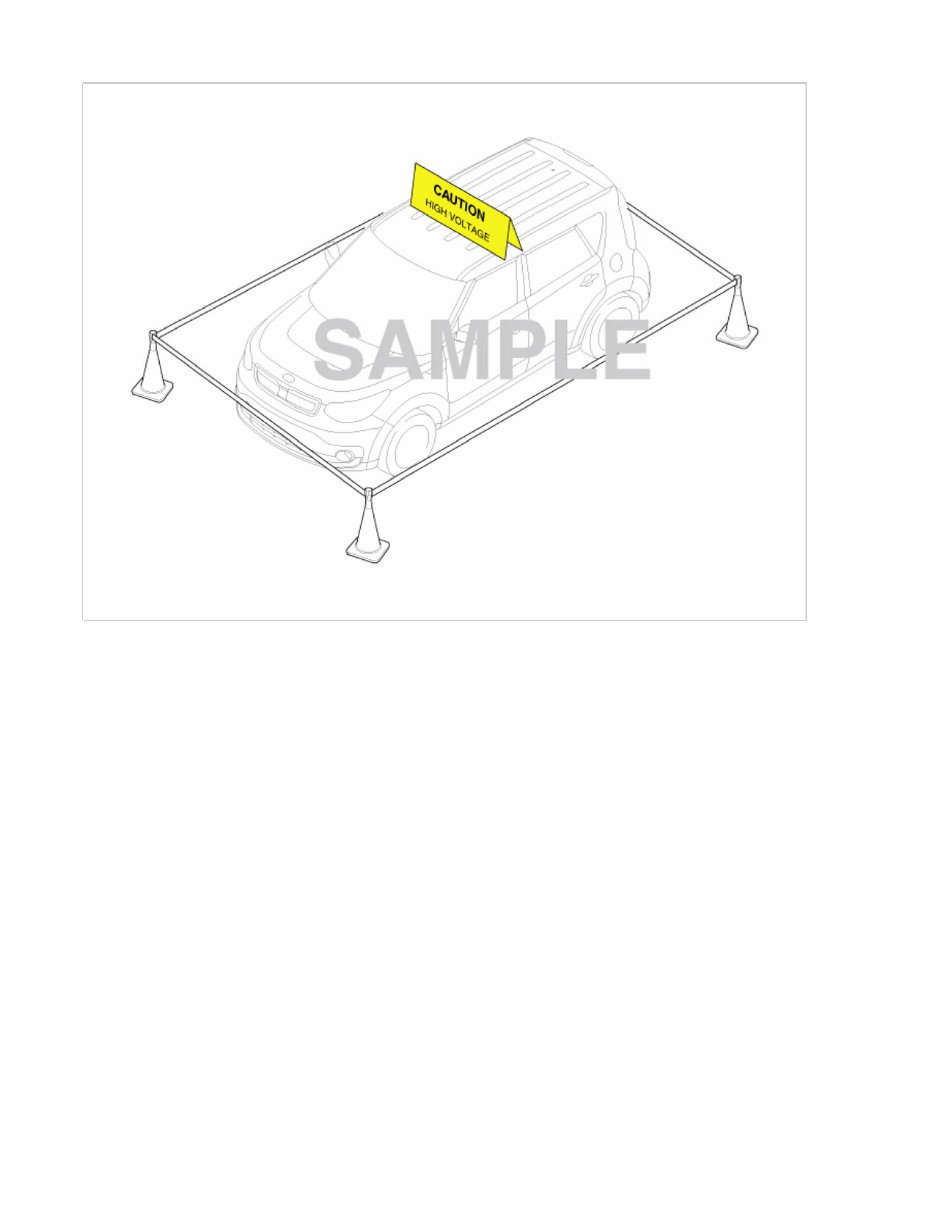
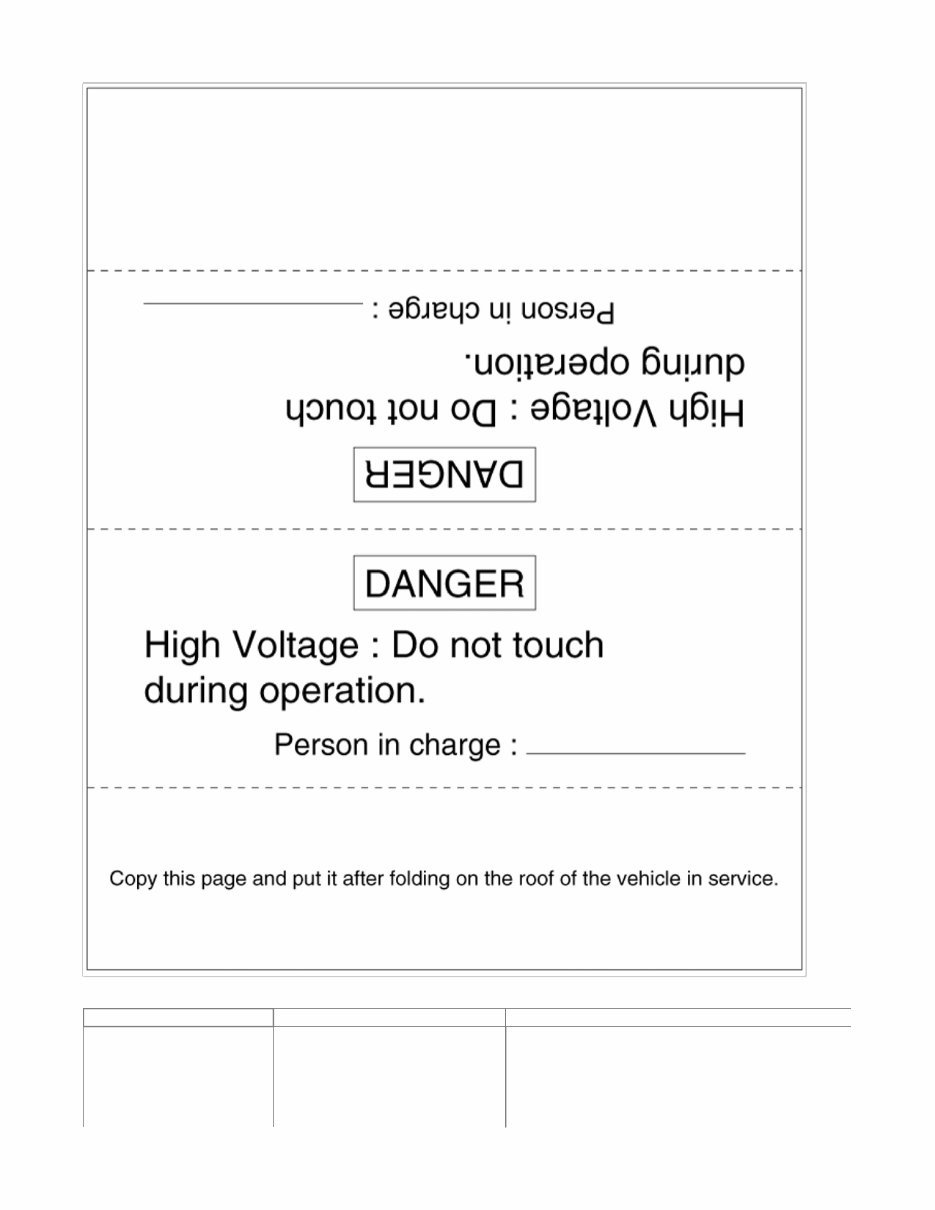
General Information Safety Precaution Sinse Electric Vehicle contains a high voltage, battery mishandling the high voltage system or vehicle may lead to a serious accident including electric shock and electric leakage. • Be sure to shut off the high voltage by removing the safety plug before inspecting or repairing the high voltage system(Refer to “High Voltage Shut-off Procedures”). • A responsible worker should keep removed safety plugs to prevent it from being connected by mistake. • Keep away from any metal objects (watch, ring etc.) while working on the high voltage system, as they may cause serious accidents like electric shock. • Before beginning to work on the high voltage system, workers should wear personal protective equipment to prevent safety accidents(Refer to “Personal Protective Equipment”). • At any time, do not allow workers not wearing personal protective equipment to touch the high voltage system. High voltage components should be covered with an insulation sheet to prevent safety accidents. • Use insulation tools when working on the high voltage system. • Place removed high voltage components on an the insulation mat. • Check that voltage between the high voltage terminals is below 30V after removing the safety plug. • All the high voltage wiring and connectors are in orange. • A caution label for high voltage is attached to the high voltage components • High voltage components : High Voltage Battery, Power Relay Assembly (PRA), Quick Charge Relay Assembly (QRA), Motor, Power Cable, BMS ECU, Inverter, LDC, On-Board Charger (OBC), Main Relay, Pre-charge Relay, Pre-charge resistor, Battery Current Sensor, Safety Plug, Main Fuse, Battery Temperature Sensor, Busbar, Charge Port, A/C Compressor, Electric Power Control Unit (EPCU), High Voltage Heater, High Voltage Heater Relay etc. • Inform of possible danger of high voltage by placing a "high voltage caution" sign on the vehicle as in the image below. Page 1 sur 27 2014-10-10 https://www.kiatechinfo.com/viewer/print_pop.aspx?printtype=sprint&vehicletype=Pass...
Page 2 sur 27 2014-10-10 https://www.kiatechinfo.com/viewer/print_pop.aspx?printtype=sprint&vehicletype=Pass... tomsn048@gmail.com
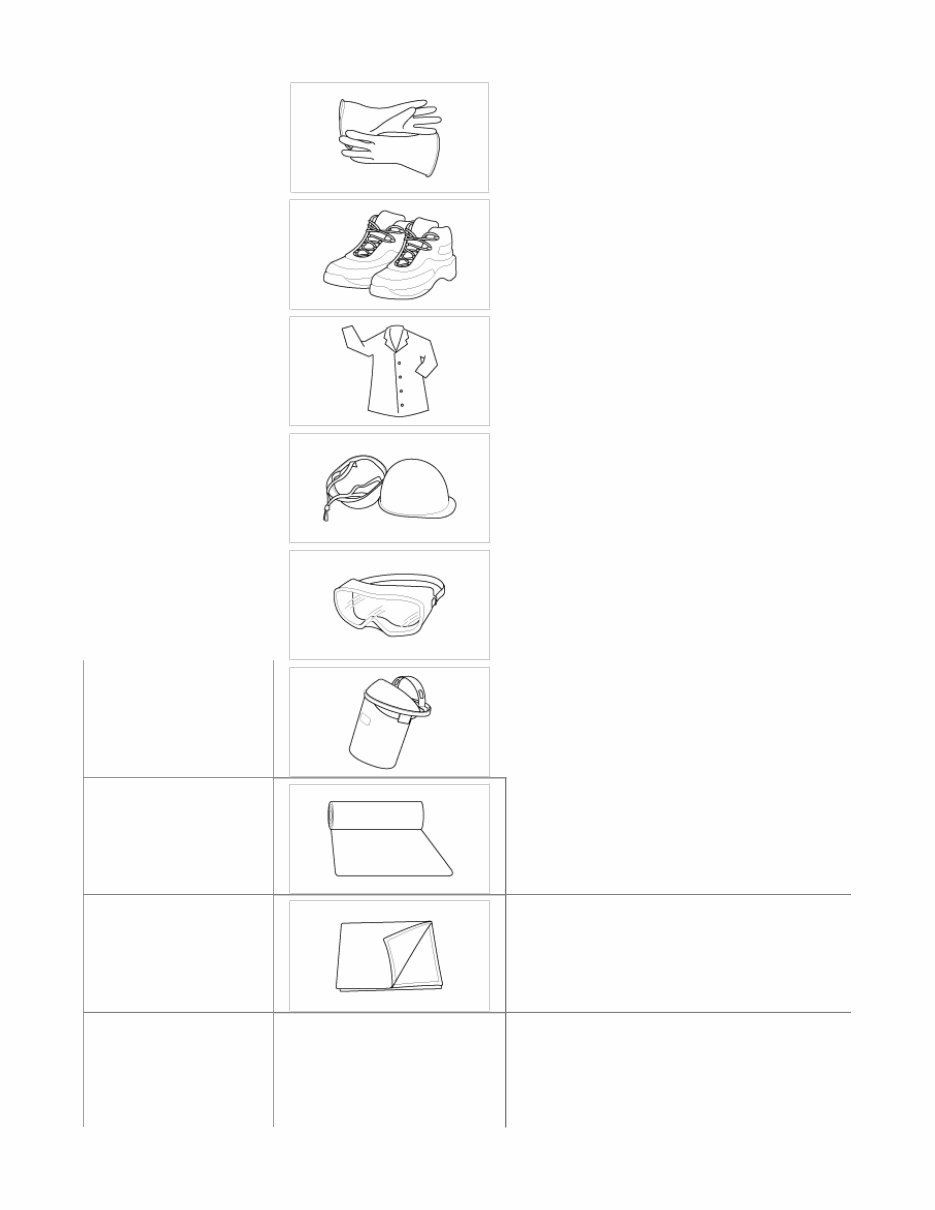
Personal Protective Equipment Name Illustration Description Insulation gloves Used when inspecting or working on the high voltage components [Insulation performance : 1000V / 300A or above] Page 3 sur 27 2014-10-10 https://www.kiatechinfo.com/viewer/print_pop.aspx?printtype=sprint&vehicletype=Pass...
Insulation shoes Used when inspecting or working on the high voltage components Insulation clothes Insulation helmet Safety glasses Used in the following cases : • During Removal & installation or inspection of the high voltage battery terminals or wiring, which spark might happen. • When working on the high voltage battery pack assembly. Face shield Insulation mat All removed high voltage components are placed on an insulation mat to prevent safety accidents. Insulation sheet Insulation sheet is used to cover high voltage components to protect people not wearing personal protective equipment from safety accidents. Warning tape Used for infomring that it is dangerous to come over this line. Page 4 sur 27 2014-10-10 https://www.kiatechinfo.com/viewer/print_pop.aspx?printtype=sprint&vehicletype=Pass... tomsn048@gmail.com
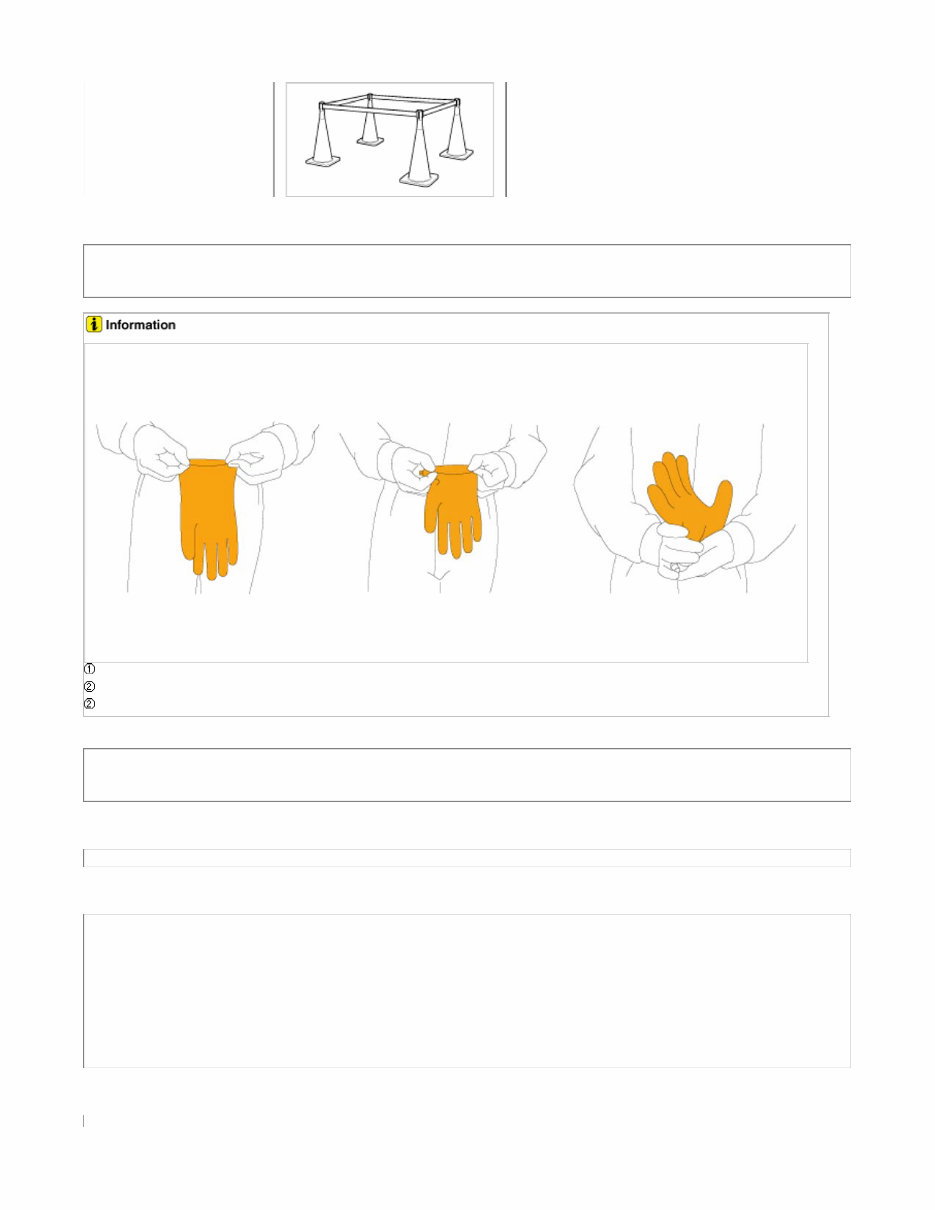
Personal Protective Equipment Inspection • Check that the personal protective equipment is not damaged. • Check that the insulation gloves are not torn or damaged. • Wear the insulation glove after removing moisture. Fold the insulation glove as above. Fold again 3~4 times to make it airtight. Squeeze the inflated glove to see if the glove is torn or damaged. Caution when repairing the power cable • When installing the high voltage terminal, insulate the terminal using insulation tape. • Tighten the high voltage screw with specified torque. • Be careful that the (+) terminal does not contact the (-) terminal. Precautions when handling high voltage battery • Battery Control System - Refer to "High Voltage Battery Handling Guide" Precautions in case of fire in High Voltage Battery System • Turn OFF the Button Start. Then keep the Smart Key 2m or farther away from the vehicle to prevent unintended engine start. • If the fire is at initial stage, quickly turn OFF the Safety Plug (refer to "High Voltage Shut-off Procedure"). • If fire broke out indoors, ventilate the area to clear out hydrogen gas. • If fire can be put out, then do so using a CO₂ fire extinguisher. If this is not available, then use water or other types of fire extinguisher. • CO₂has high insulation characteristics against electricity, so it is appropriate for electricity (C Rating) related fire. • If fire cannot be put out, evacuate to a safe location, notify the fire department and do not approach the vehicle until the fire has been extinguished. • Turn OFF the vehicle Key in case of vehicle submersion/collision, and then exit the vehicle as quickly as possible. Precautions in case of high voltage battery gas and/or electrolyte leakage Page 5 sur 27 2014-10-10 https://www.kiatechinfo.com/viewer/print_pop.aspx?printtype=sprint&vehicletype=Pass...
General Information • Turn OFF the Button Start. Then keep the Smart Key 2m or farther away from the vehicle to prevent unintended engine start. • If the fire is at initial stage, quickly turn OFF the Safety Plug. (refer to "High Voltage Shut-off Procedure"). • Gas is hydrogen and alkali vapor. If the fire occurred indoor, ventilate the area immediately and evacuate to a safe location. • If leaked liquid comes in contact with your skin, neutralize the area immediately with boron, and then clean with running water or saline solution. • If leaked vapor or liquid gets in your eye, immediately clean with running water, then get medical attention. • In case of gas leakage due to high temperature, do NOT use the battery until the high voltage battery cools down to room temperature. Precautions when handling vehicle after an accident • Be sure to wear insulated gloves (or rubber gloves), protective goggles, insulated suit, and insulated boots. • Do NOT touch the bare cable when its insulation covering has been peeled. (refer to "Precautions When Handling Power Cable") • In case of fire on the vehicle and if the fire can be put out, then do so by using a CO₂ fire extinguisher. If this is not available, then use water or other types of fire extinguisher. • If more than half of the vehicle is submerged, then do not attempt to approach high voltage components, such as the Safety Plug. If such a component must be handled, then first relocate the vehicle to a safe location, then handle the component. • if fire broke out indoors, ventillate the area immediately and evacuate to a safe location. because the gas id hydorgen and akali fumes. • If leaked liquid comes in contact with your skin, neutralize the area immediately with boron, and then clean with running water or saline solution. • If high voltage needs to be shut-off, then refer to "High Voltage Shut-off Procedure" when handling relevant components. Preparations when servicing accident affected vehicle • Insulated gloves (or rubber gloves), protective goggles, insulated suit, and insulated boots. • Boric Acid Powder or Solution. • CO₂ fire extinguisher or other fire extinguisher. • Towel for cleaning electrolyte. • Vinyl tape (for terminal insulation) • Megaohm Tester (for checking high voltage insulation resistance) Precautions when EV is unattended for a prolonged period • Turn OFF the Start Button. Then keep the Smart Key 2m or farther away from the vehicle to prevent unintended engine start. (This is to prevent rapid discharging of high voltage battery from dark current.) • If the high voltage battery state of charge (SOC) is less than 30%, then do not leave the vehicle unattended for a prolonged period. • If the vehicle is unattended for prolonged period, then fully recharge the battery via normal charging once every 3 months to prevent the high voltage battery SOC from becoming 0. • When checking the auxiliary battery for discharge status or when replacing the auxiliary battery, check for problem related to high voltage battery SOC reset. Hybrid Vehicle Refrigerant Recovery / Charging Precautions • Since the electric compressor uses high-voltage, POE oil with high Volumetric Resistivity Should be used. • Do not use the same A/C recovery / charging station as conventional belt-driven compressors. If the POE oil in the system gets mixed with PAG oil, it may result in dielectric breakdown due to decreased volumetric resistivity and inoperative A/C compressor, disabling the A/C compressor. High Voltage Shut-off Procedure Be sure to read and follow the “General Safety Information and Caution” before doing any work related with the high voltage system. Failure to follow the safety instructions may result in serious electrical injuries. Page 6 sur 27 2014-10-10 https://www.kiatechinfo.com/viewer/print_pop.aspx?printtype=sprint&vehicletype=Pass... tomsn048@gmail.com
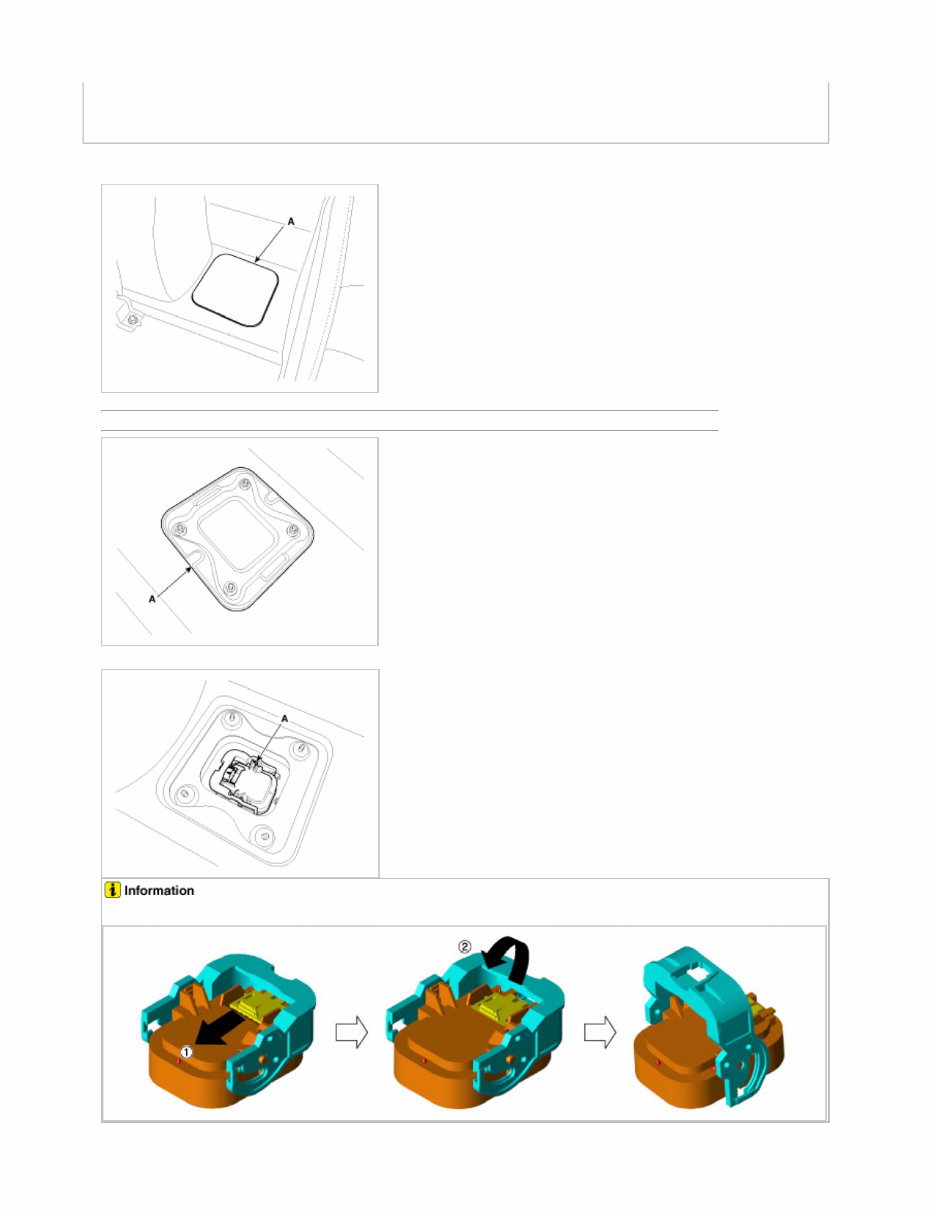
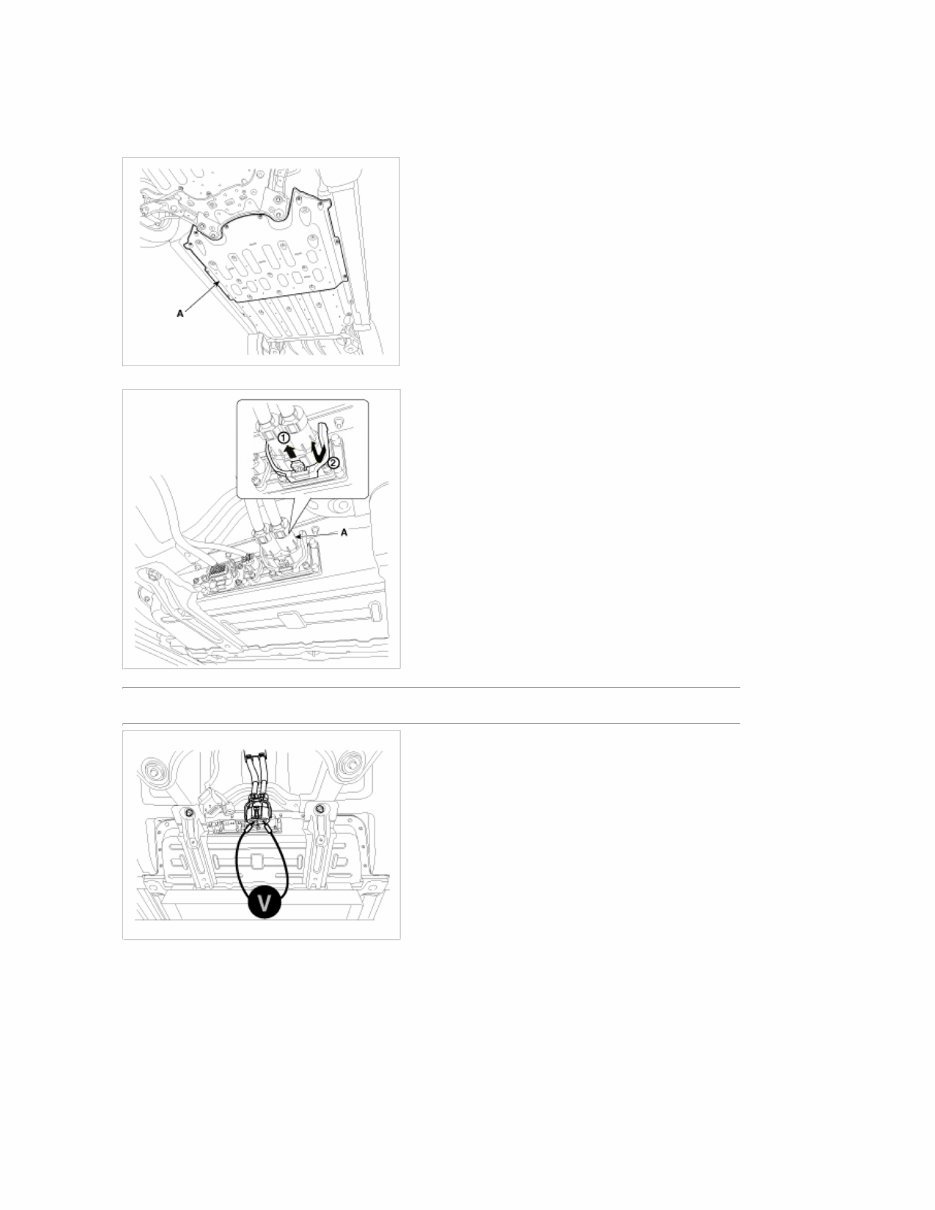
High voltage components : High Voltage Battery, Power Relay Assembly (PRA), Quick Charge Relay Assembly (QRA), Motor, Power Cable, BMS ECU, Inverter, LDC, On-Board Charger (OBC), Main Relay, Pre-charge Relay, Pre-charge resistor, Battery Current Sensor, Safety Plug, Main Fuse, Battery Temperature Sensor, Busbar, Charge Port, A/C Compressor, Electric Power Control Unit (EPCU), High Voltage Heater, High Voltage Heater Relay etc. 1. Turn the ignition switch OFF and disconnect the negative (-) terminal of the auxiliary battery. 2. Remove the cover (A) on the floor carpet of the rear seat. 3. After loosening the nut, remove the safety plug service cover (A). Safety plug service cover mounting nut :7.8 ~ 11.8 N.m (0.8 ~ 1.2 kgf.m, 5.8 ~ 8.7 lb-ft) 4. Remove the safety plug (A). Remove the safety plug in the follwing order. Page 7 sur 27 2014-10-10 https://www.kiatechinfo.com/viewer/print_pop.aspx?printtype=sprint&vehicletype=Pass...
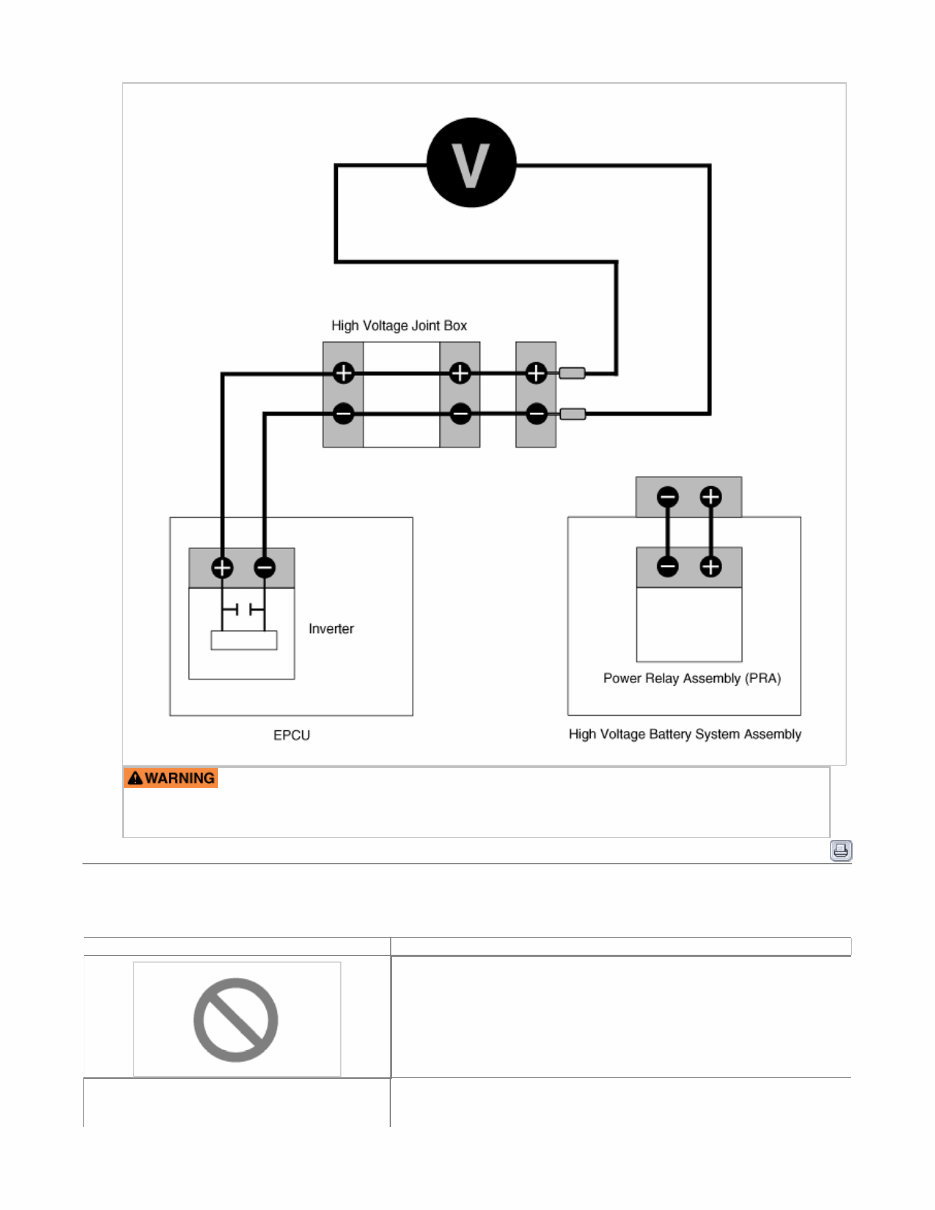
5. Wait at least 5 minutes or until the capacitor in the high voltage system is fully discharged. 6. Measure the voltage between the inverter terminals to check that the capacitor in the inverter is discharged completely (1) Lift the vehicle. (2) Remove the high voltage battery lower cover (A) by loosening the bolt. (3) Remove the high voltage cable (A). (4) Measure the voltage between the inverter terminals. Less than 30V : High voltage circuit properly shut More than 30V : Faulty on high voltage circuit Page 8 sur 27 2014-10-10 https://www.kiatechinfo.com/viewer/print_pop.aspx?printtype=sprint&vehicletype=Pass... tomsn048@gmail.com
General Information If measured voltage is over 30V, check that the safety plug is removed completely. If it is is over 30V even though the safety plug has been removerd, there may be a serious problem in the high voltage circuit. In this case, check DTC and never touch on the high voltage system. Basic Service Symbols There are five primary symbols used to complement illustrations. These symbols indicate that particular materials should be applied in each part during the sevice. Symbol Meaning Do not reuse the part. Replace a new one. Apply engine oil or transmission oil to the part. Page 9 sur 27 2014-10-10 https://www.kiatechinfo.com/viewer/print_pop.aspx?printtype=sprint&vehicletype=Pass...
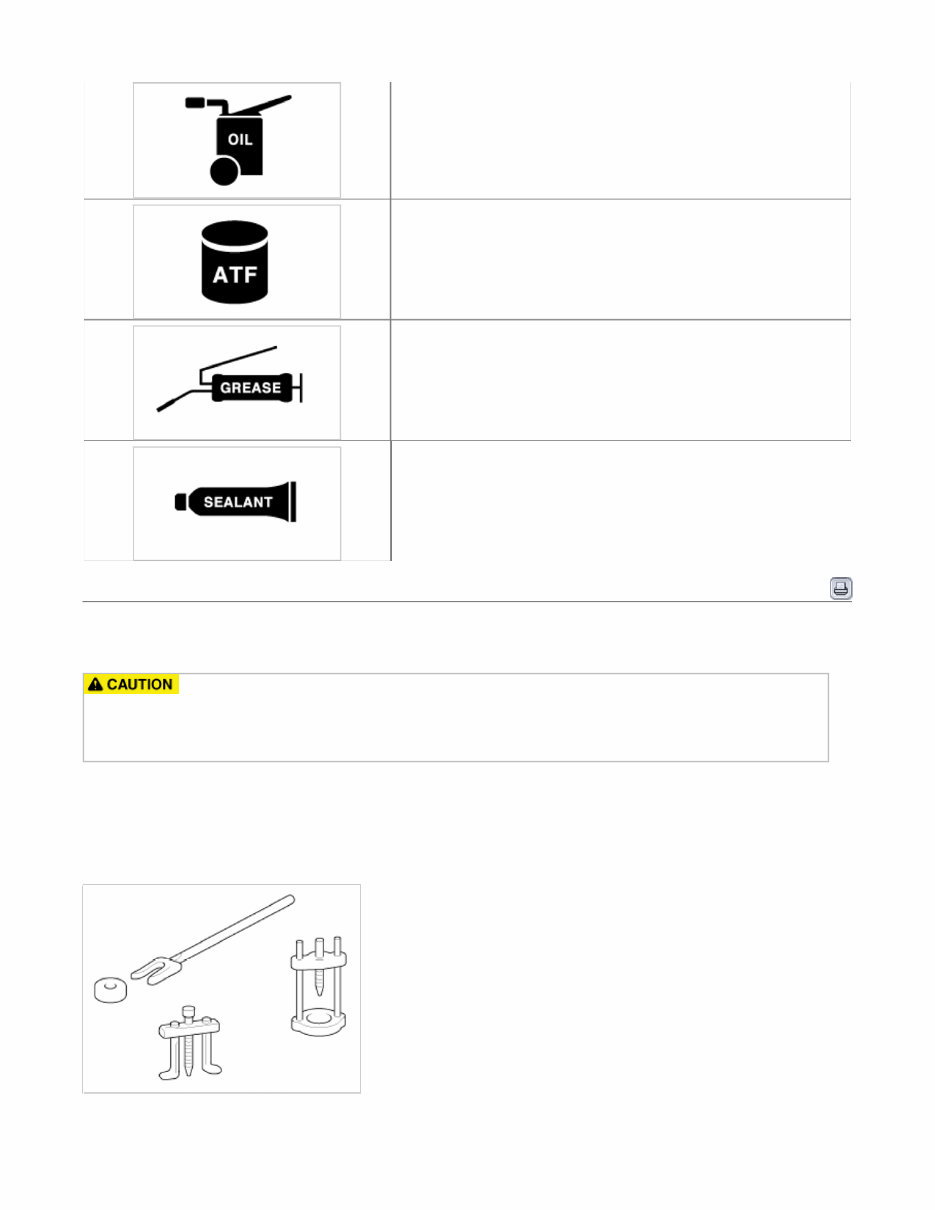
General Information Apply automatic transmission fluid (ATF) to the part. Apply grease to the part. Apply sealant to the part. General Service Information Protection Of The Vehicle Always be sure to cover fenders, seats, and floor areas before starting work. The support rod must be inserted into the hole near the edge of the hood whenever you inspect the engine compartment to prevent the hood from falling and causing possible injury. Make sure that the support rod has been released prior to closing the hood. Always check to be sure the hood is firmly latched before driving the vehicle. Preparation Of Tools And Measuring Equipment Be sure that all necessary tools and measuring equipment are available before starting work. Special Tools Use special tools as needed Removal Of Parts Page 10 sur 27 2014-10-10 https://www.kiatechinfo.com/viewer/print_pop.aspx?printtype=sprint&vehicletype=Pass... tomsn048@gmail.com
This is the COMPLETE official full factory service repair manual for the Kia Soul EV 2015. It is your number one source for repair and service information, specifically written for the do-it-yourselfer as well as the experienced mechanic. The manual provides step-by-step instructions based on the complete disassembly of the machine, with detailed substeps expanding on repair procedure information. Notes, cautions, and warnings throughout each chapter pinpoint critical information, while numbered instructions guide you through every repair procedure step by step. The manual also includes bold figure numbers to help you quickly match illustrations with instructions, detailed illustrations, drawings, and photos to guide you through every procedure, and an enlarged inset to help you identify and examine parts in detail.
The manual covers general maintenance, troubleshooting, engine service/repair, transmission service/repair, brake system, wiring diagram, electrical system, suspension, periodic lubrication, steering, cooling system, fuel injection, fuel system, emission system, heater/air conditioning, engine control system, chassis/body, restraint system, interior, differential/drive, and axle, as well as much more information.
It comes in .PDF format which can work under all PC-based Windows operating systems and Mac as well. It saves to your hard drive and can be burned to CD-ROM. All pages are printable. No need to pay for shipping and wait for the overpriced paper textbook or CD-ROM to arrive via snail mail.
PRODUCT DETAILS:
File Format: .PDF
Language: English
Printable: without any restriction
Delivery: link will appear on the checkout page after payment is complete
Requirements: Adobe Reader
This is a full professional quality in-depth Service & Repair manual for Kia Soul EV 2015!!!



 Lifetime Access




