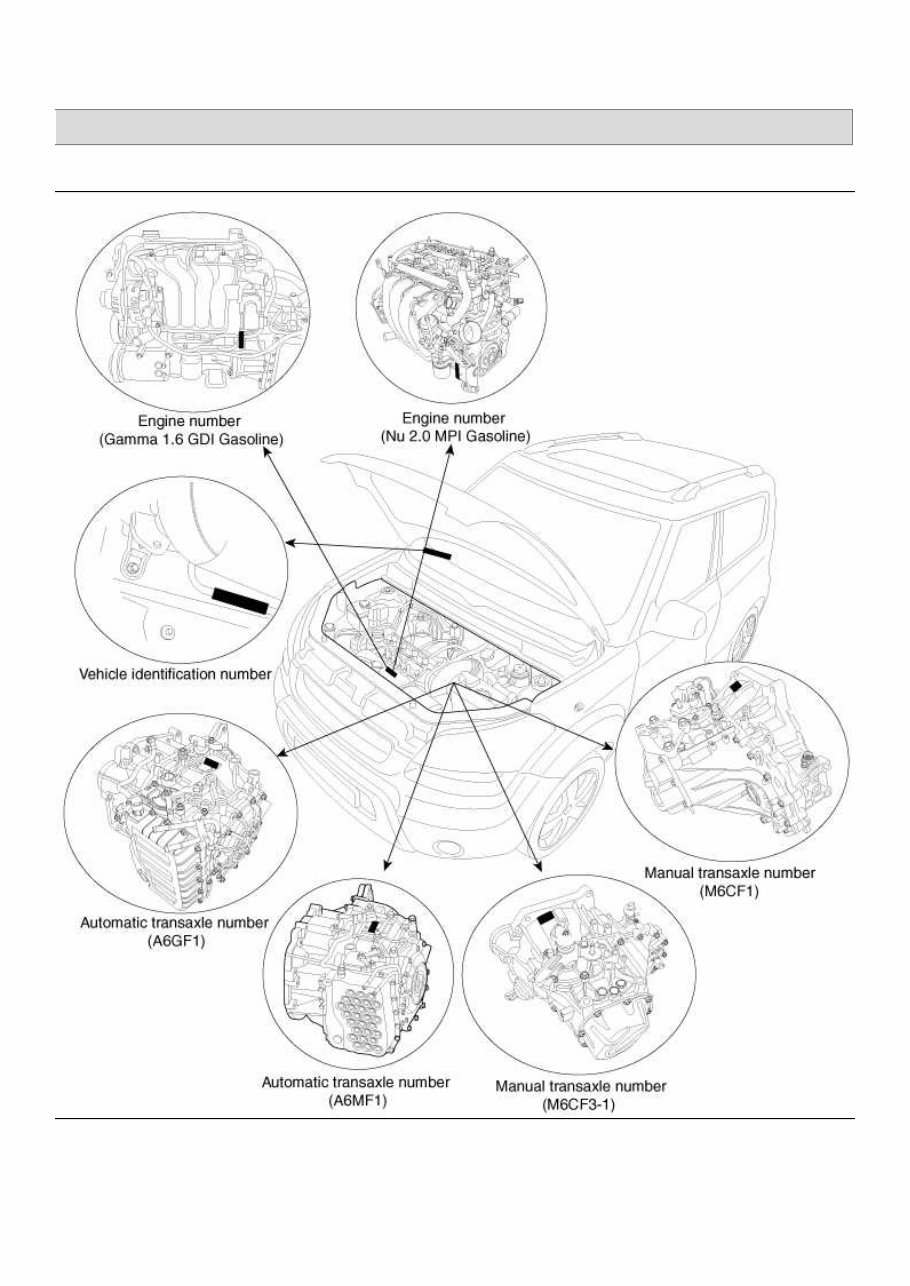
SOUL(AM) > 2013 > G 2.0 DOHC > General Information General Information > General Information > General Information Identification Number Locations Identification Number Description Vehicle Identification Number Page 1 of 23
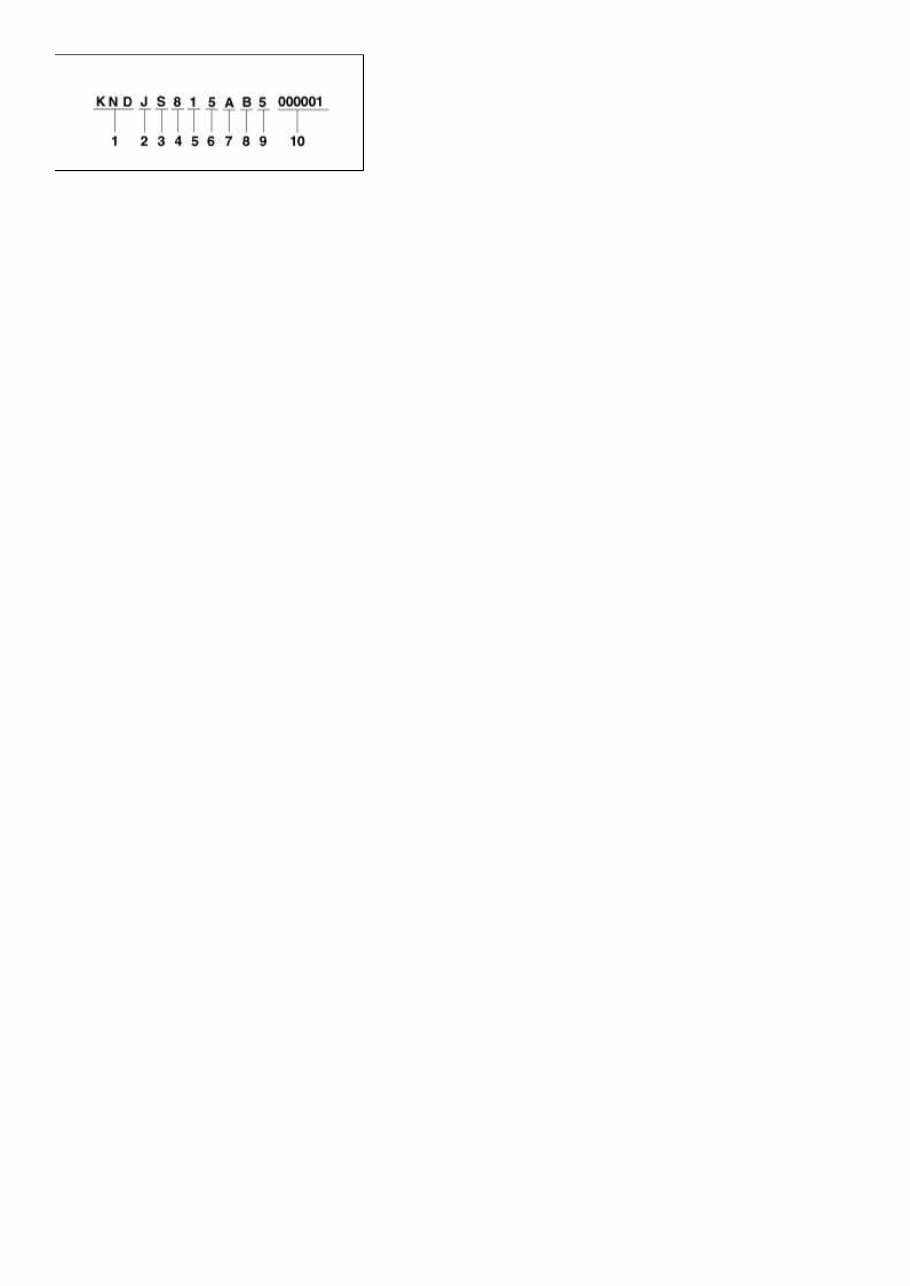
1. World Manufacturer Identifier (WMI) - KNA : Passenger vehicle, MPV(Multipurpose Passenger Vehicle)/SUV(Sports Utility Vehicle)/RV(Recreational Vehicle) - KNC : Commercial vehicle (Van) - KND: MPV/SUV/RV (For U.S.A, Canada, Mexico) - KNH: Van 2. Vehicle line - J : SOUL 3. Model & Series - S : Low grade (L) - T : Middle-Low grade (GL) - U : Middle grade (GLS, JSL, TAX) - V : Middle-High grade (HGS) - W : High grade (TOP) 4. Body/Cabin type, Gross Vehicle Weight Rating KNA - 1 : Limousine - 2 : Sedan - 2 door - 3 : Sedan - 3 door - 4 : Sedan - 4 door - 5 : Sedan - 5 door - 6 : Coupe - 7 : Convertible - 8 : Wagon - 9 : Commercial Van - 0 : Pick-Up KNC (Commercial vehicle / Van) Except U.S.A, Canada, Mexico, Gulf Cooperation Council, China - X : Standard Cabin / Semi-Bonnet - Y : Double Cabin / Bonnet - Z : Super Cabin / Box For U.S.A, Canada, Mexico, Gulf Cooperation Council, China - 2 : Standard Cabin Class-H 4×2 - 3 : Standard Cabin Class-E 4×2 / Semi-Bonnet Class-E 4×2 - 4 : Standard Cabin Class-E 4×4 / Semi-Bonnet Class-E 4×4 - 5 : Standard Cabin Class-F 4×2 / Semi-Bonnet Class-F 4×2 - 6 : Standard Cabin Class-F 4×4 / Semi-Bonnet Class-F 4×4 - 7 : Double Cabin Class-E 4×2 / Bonnet Class-E 4×2 - 8 : Double Cabin Class-E 4×4 / Bonnet Class-E 4×4 - 9 : Double Cabin Class-F 4×2 / Bonnet Class-F 4×2 - 0 : Double Cabin Class-F 4×4 / Bonnet Class-F 4×4 - A : Super Cabin Class-E 4×2 / Box Class-E 4×2 - B : Super Cabin Class-E 4×4 / Box Class-E 4×4 - C : Super Cabin Class-F 4×2 / Box Class-F 4×2 - D : Super Cabin Class-F 4×4 / Box Class-F 4×4 Page 2 of 23
KND - 1 : Wagon 4×2 Class-A - 2 : Wagon 4×2 Class-B - 3 : Wagon 4×2 Class-C - 4 : Wagon 4×2 Class-D - 5 : Wagon 4×2 Class-E - 6 : Wagon 4×2 Class-F - 7 : Wagon 4×2 Class-G - A : Wagon 4×4 Class-A - B : Wagon 4×4 Class-B - C : Wagon 4×4 Class-C - D : Wagon 4×4 Class-D - E : Wagon 4×4 Class-E - F : Wagon 4×4 Class-F - G : Wagon 4×4 Class-G KNH - 1 : Box - 2 : Bonnet - 3 : Semi-Bonnet 5. Restraint system, Brake system KNA, KND Except U.S.A, Canada, Mexico - 0 : Both side - None - 1 : Both side - Active belt - 2 : Both side - Passive belt For U.S.A, Canada, Mexico Code Seat belt Front air bag Knee air bag Side air bag Curtain air bag Driver's Passenger's Driver's Passenger's 1st row 2nd row 3rd row 1st row 2nd row 3rd row A ○ ○ ○ × × ○ × × ○ ○ × B ○ ○ ○ × × × × × × × × C ○ ○ ○ × × ○ × × ○ ○ ○ D ○ ○ ○ × × ○ ○ × ○ ○ × E ○ ○ × × × × × × × × × F ○ ○ ○ × × ○ × × × × × J ○ ○ ○ ○ × ○ ○ × ○ ○ × L ○ ○ ○ ○ × ○ × × ○ ○ × N ○ × × × × × × × × × × H ○ ○ ○ ○ × ○ × × ○ ○ ○ KNC, KNH Except U.S.A, Canada, Mexico - 7 : Hydraulic brake system - 8 : Pneumatic brake system - 9 : Mixed brake system For U.S.A, Canada, Mexico Page 3 of 23
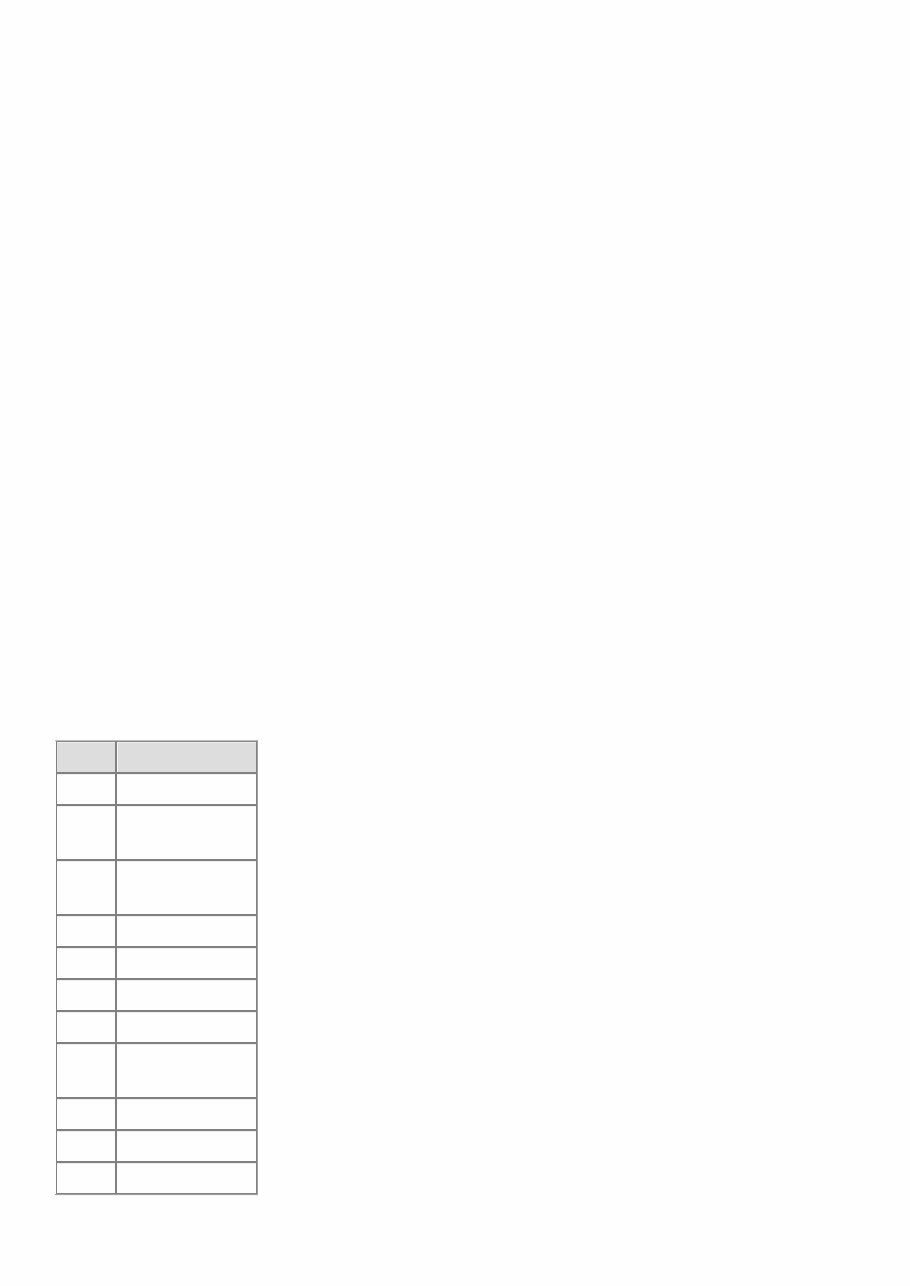
- X : Hydraulic brake system - Y : Pneumatic brake system - Z : Mixed brake system 6. Engine type - 5 : Gasoline engine 1.6 (Gamma GDI) - 6 : Gasoline engine 2.0 (Nu MPI) 7. Check digit or Driver’s side & Transmission Except U.S.A, Canada, Mexico, Gulf Cooperation Council, China, Yemen - A : LHD & MT - B : LHD & AT - C : LHD & MT+Transfer - D : LHD & AT+Transfer - E : LHD & CVT - L : RHD & MT - M : RHD & AT - N : RHD & MT+Transfer - S : RHD & AT+Transfer - T : RHD & CVT For U.S.A, Canada, Mexico, Gulf Cooperation Council, China, Yemen - Check digit : 0 ~ 9, × 8. Model year - B : 2011, C : 2012, D : 2013, E : 2014... 9. Plant of production - 6 : Sohari (Korea) - 5 : Hwasung (Korea) - 7 : Kwangju (Korea) - T : Seosan (Korea) 10. Vehicle production sequence number - 000001 ~ 999999 Paint Code Code Color 9H Black Soul 1D, UD Clear White 3D, A3D Bright Silver IM Titanium Silver I2 Moonlight Blue 1E Tomato Red I7 Green Tea Latte A1, A1W Vanilla Shake BD5 Olive Green DT9 Saddle Brown ASE Misty Green Page 4 of 23
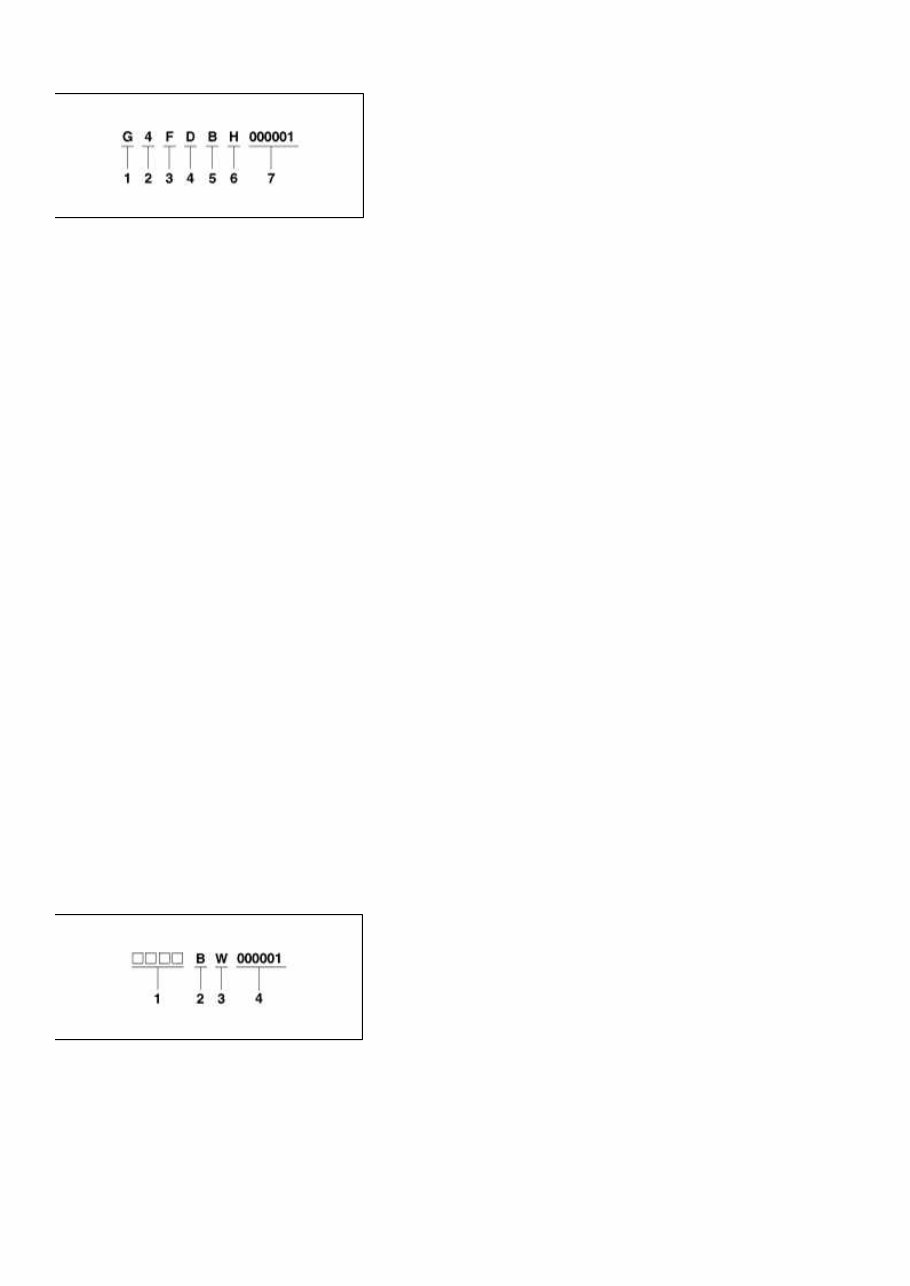
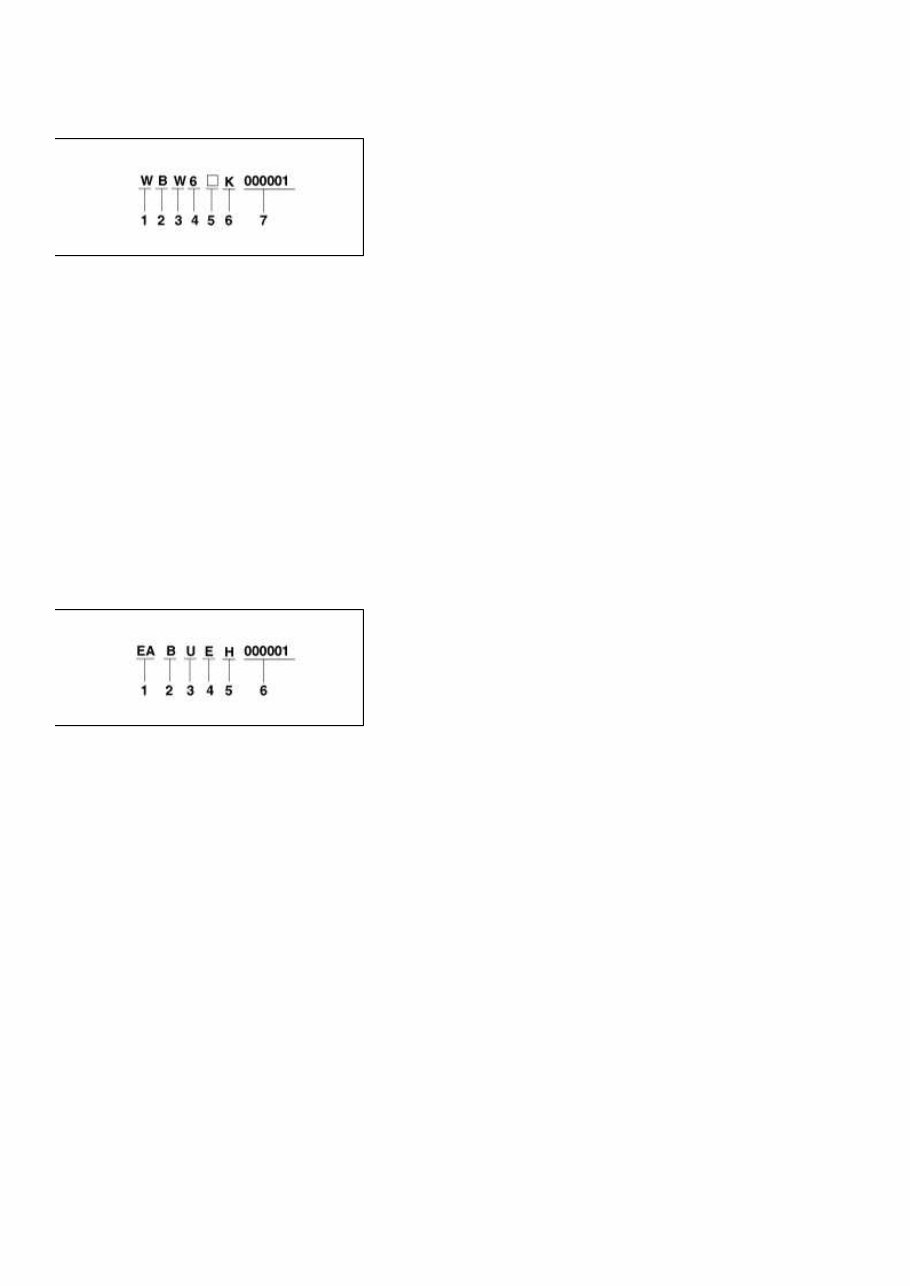
Engine Number 1. Engine fuel - G : Gasoline 2. Engine range - 4 : 4 cycle 4 cylinder 3. Engine development order and capacity - F : Gamma engine - N : Nu engine 4. Engine Capacity - D : 1591cc (Gamma GDI) - A : 1999cc (Nu MPI) 5. Production year - B : 2011, C : 2012, D : 2013, E : 2014 … 6. Plant of production - A : Asan (Korea) - B : Beijing (China) - H : Hwasung (Korea) - K : Montgomery (U.S.A) - M : Chennai (India) - P : Poseung (Korea) - S : Sohari (Korea) - T : Izmit (Turkey) - U : Ulsan (Korea) - W : Shandong (China) - Z : Zilina (Slovakia) - 1 : Yancheng (China) 7. Engine production sequence number - 000001 ~ 999999 Transaxle Number Manual (M6CF1) 1. Assembly code of plant 2. Production year - B : 2011, C : 2012, D : 2013, E : 2014 … 3. Plant of production - W : Hwasung (Korea) - J : Ostrava (Czech) Page 5 of 23
4. Transaxle production sequence number - 000001~999999 Manual (M6CF3-1) 1. Model - W : M6CF3-1 2. Production year - B : 2011, C : 2012, D : 2013, E : 2014 … 3. Plant of production - W : Hwasung (Korea) - J : Ostrava (Czech) 4. Speed 5. Reserve 6. Final gear ratio - K : 4.333 (Nu) 7. Transaxle production sequence number - 000001 ~ 999999 Automatic 1. Model - EA : A6MF1 - NA : A6GF1 2. Production year - B : 2011, C : 2012, D : 2013, E : 2014 … 3. Final gear ratio - T : 3.367 (Nu 15, 16 inch tire) - U : 3.510 (Nu 18 inch tire) - S : 3.796 (Gamma) 4. Detailed classification - F : Nu 2.0 MPI (15, 16 inch tire) - G : Nu 2.0 MPI-ISG (15, 16 inch tire) - E : Nu 2.0 MPI (18 inch tire) - F : Nu 2.0 MPI-ISG (18 inch tire) - C : Gamma 1.6 GDI - F : Gamma 1.6 GDI-ISG Page 6 of 23
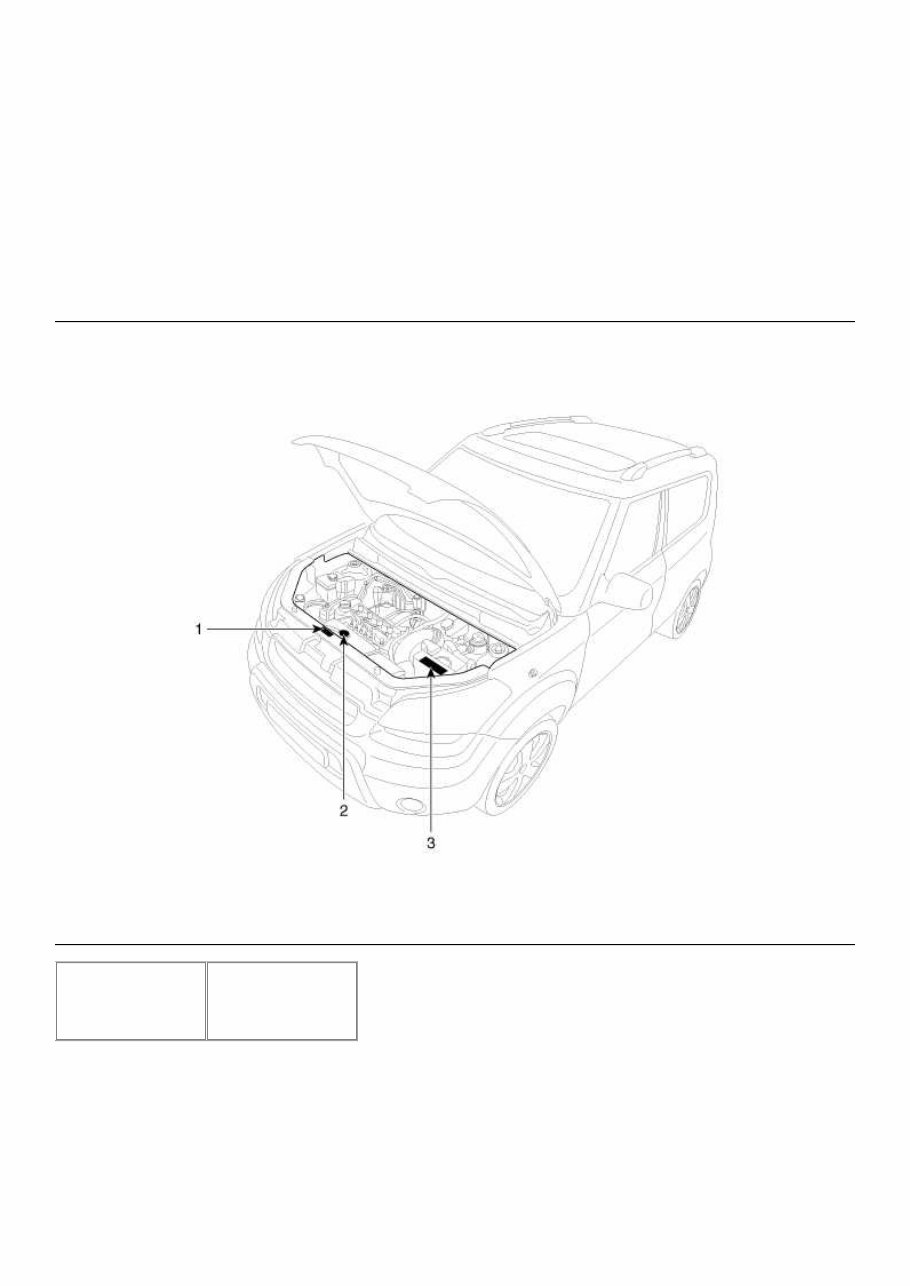
5. Plant classification - H : Hwasung (Korea) - U : Ulsan - Plant 1 (Korea) - S : Ulsan - Plant 2 (Korea) - 2 : Powertech - Pant 2 (Korea) - 4 : Powertech - Pant 4 (Korea) - A : Powertech (U.S.A) - C : Powertech (China) 6. Transaxle production sequence number - 000001 ~ 999999 Warning / Caution Label Locations 1. Fan caution 2. Radiator cap caution 3. Battery caution Battery Caution Label Describtion Page 7 of 23
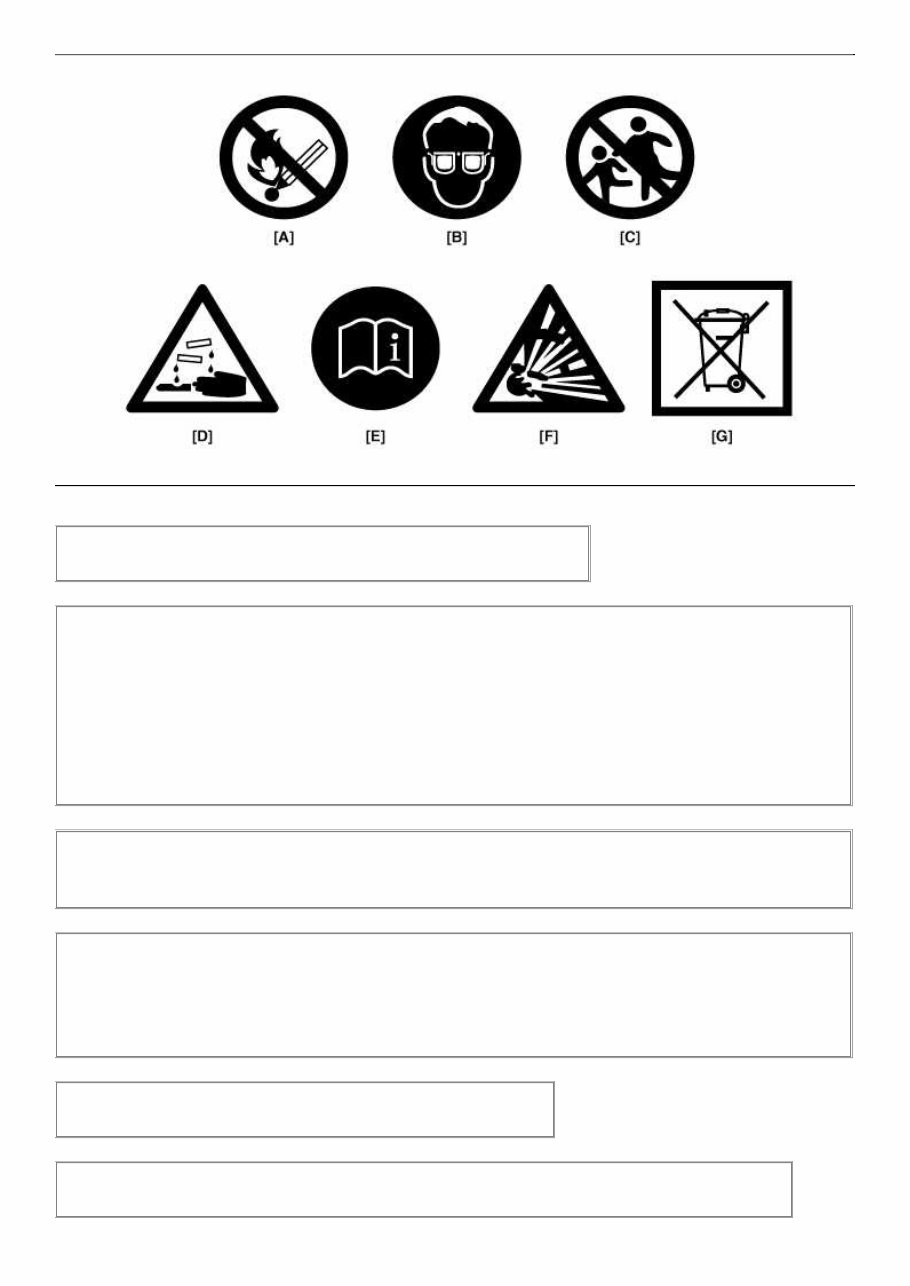
WARNING / CAUTION LABEL (CONT'D) A. Keep lighted cigarettes and all other flames or sparks away from the battery. B. Wear eye protection when charging or working near a battery. Always provide ventilation when working in an enclosed space. • When lifting a plastic-cased battery, excesive pressure on acid to leak resulting in personal injury. Lift with a battery carrier or with your hands on opposite corners. • Never attempt to change the battery when the battery cables are connected. • The electrical ignition system works with high voltage. Never touch these components with the engine running or the ignition switched on. C. Keep batteries out of the reach of children because batteries contain highly corrosive SULFURIC ACID. Do not allow battery acid to contact your skin, eyes, clothing or paint finish. D. If any electrolyte gets into your eyes, flush your eyes with clean water for at least 15 minutes and get immediate medical attention. If possible, continue to apply water with a sponge or cloth until medical attention is received. If electrolyte gets on your skin, throughly wash the contacted area. If you feel a pain or a burning sensation, get medical attention immediately. E. Always read the following instructions carefully when handing a battery. F. Hydrogen, which is a highly combustible gas, is always presents in battery cells and may explode if ignited. Page 8 of 23
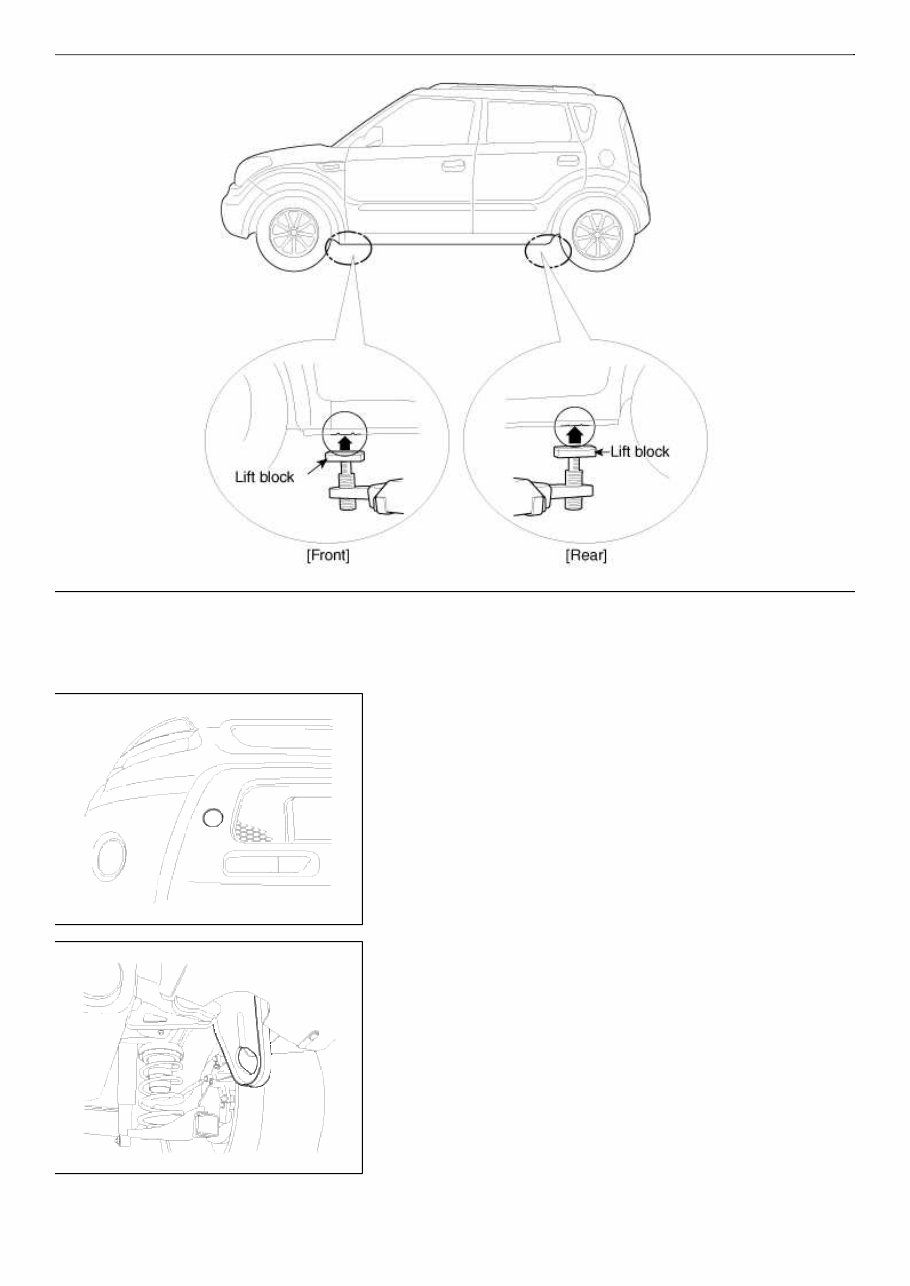
G. An improperly disposed battery can be harmful to the environment and human health. Always confirm local regurations for battery disposal. Handling And Storage The Battery Battery Itself • Batteries should be stored in cool, dry (27 degrees Celsius) places and out of direct sunlight. • MF batteries are tightly sealed to prevent acid leakage. However, tilting the battery to an angle of 45 degrees can cause acid to leak through the vents on the sides. Therefore, batteries should always be stored in their upright positions. Prevent placing any aqueous or solid (i.e. conductors) bodies on top of the battery. • It is extremely dangerous to use tools, such as hammers, on the battery terminals when connecting cables to the mounted battery. Battery on Vehicle • When storing the vehicle for long periods of time, make sure to remove the memory fuse at junction box to prevent natural discharging. • Also, run the engine for battery charging within 1 month if the memory fuse wasn't removed from the start of vehicle storing. If the memory fuse was removed, run the engine for battery charging within 3 months from the start of vehicle storing. After reconnecting or recharging a discharged battery, the ESC OFF indicator may illuminate. In this case, turn the handle half way to the left and right whilst the ignition switch is in the ON position. Then, restart the engine after the ignition is OFF. The ESC OFF indicator may turn OFF. If the ESC OFF indicator does not turn OFF, have the system checked refering to DTC. (Refer to the BR group.) Lift And Support Points When heavy rear components such as suspension, fuel tank, spare tire, tailgate and trunk lid are to be removed, place additional weight in the luggage area before hoisting. When substatial weight is removed from the rear of the vehicle, the center of gravity may change and can cause the vehicle to tip forward on the hoist. • Since each tire/wheel assembly weights approximately 30lbs (14kg), placing the front wheels in the luggage area can assist with the weight distribution. • Use the same support points to support the vehicle on safety stands. 1. Place the lift blocks under the support points as shown in the illustration. 2. Raise the hoist a few inches (centimeters) and rock the vehicle to be sure it is firmly supported. 3. Raise the hoist to full height to inspect the lift points for secure support. Page 9 of 23
Towing If the vehicle needs to be towed, call a professional towing service. Never tow vehicle with just a rope or chain. It is very dangerous. Emergency Towing Page 10 of 23
Get the information you need to fix your KIA Soul 2.0L 2013 with this comprehensive service manual. Whether you're a professional mechanic or a DIY enthusiast, this manual provides easy-to-read text sections with high-quality diagrams and instructions. It covers every single detail of your vehicle and offers step-by-step procedures based on complete machine disassembly.
This service manual describes the service procedures for the entire vehicle, including maintenance schedule recommendations to keep your KIA Soul 2.0L 2013 in peak operating condition. Performing scheduled maintenance is crucial as it compensates for the initial wear that occurs during the life of the vehicle.
With instant access and no shipping fees, you can start your repairs right away. The manual is available in PDF format and is compatible with all versions of Windows and Mac. No special software is required, making it accessible to all users.
General chapters you will find in this service manual include:
Introduction - KIA Soul 2.0L 2013
Lubrication & Maintenance - KIA Soul 2.0L 2013
Suspension - KIA Soul 2.0L 2013
Differential & Driveline - KIA Soul 2.0L 2013
Brakes - KIA Soul 2.0L 2013
Clutch - KIA Soul 2.0L 2013
Cooling - KIA Soul 2.0L 2013
Audio/Video - KIA Soul 2.0L 2013
Chime/Buzzer - KIA Soul 2.0L 2013
Electronic Control Modules - KIA Soul 2.0L 2013
Engine Systems - KIA Soul 2.0L 2013
Heated Systems - KIA Soul 2.0L 2013
Horn - KIA Soul 2.0L 2013
Ignition Control - KIA Soul 2.0L 2013
Instrument Cluster - KIA Soul 2.0L 2013
Lamps - KIA Soul 2.0L 2013
Message Systems - KIA Soul 2.0L 2013
Power Systems - KIA Soul 2.0L 2013
Restraint - KIA Soul 2.0L 2013
Speed Control - KIA Soul 2.0L 2013
Vehicle Theft Security - KIA Soul 2.0L 2013
Wipers/Washers - KIA Soul 2.0L 2013
Navigation/Telecommunication - KIA Soul 2.0L 2013
Wiring - KIA Soul 2.0L 2013
Engine - KIA Soul 2.0L 2013
Exhaust System - KIA Soul 2.0L 2013
Frame & Bumpers - KIA Soul 2.0L 2013
Fuel System - KIA Soul 2.0L 2013
Steering - KIA Soul 2.0L 2013
Transmission and Transfer Case - KIA Soul 2.0L 2013
Tires/Wheels - KIA Soul 2.0L 2013
Body - KIA Soul 2.0L 2013
Heating & Air Conditioning - KIA Soul 2.0L 2013
Component and System Index - KIA Soul 2.0L 2013
Emissions Control - KIA Soul 2.0L 2013
This workshop service repair manual is instantly accessible upon purchase, requiring no special software or waiting for delivery. It provides the information you need without any unnecessary hassle. If you encounter any issues, our support team is ready to assist you. Get your KIA Soul 2.0L 2013 Workshop Service Repair Manual now and take control of your vehicle maintenance and repairs.



 Lifetime Access