


IONIQ 5(NE EV) > 2023 > 70kW+160kW > General Information
- Precautions when servicing the high voltage system
• Since the electric vehicle contains high voltage battery, if the system or vehicle is handled improperly, it may
result in a severe accident such as an electrical short, shock, etc. Therefore, be sure to comply with the
following before working on the system.
• Be sure not to let anyone other than the person in charge of the work equipped with the protective equipment
touch the high voltage-related parts. In order to prevent it, cover any high voltage system not related to the
work with an insulation cover.
• When working on the high voltage system, be sure to use insulated tools.
• Organize and store the removed high voltage parts on an insulated mat to prevent a short circuit.
• Check that the voltage between high voltage terminals is 0V or lower.
• Install with specified torque when working with high voltage system.
• After separating the high voltage cable, insulate the cable by using the insulating tape immediately.
• Be careful not to contact between (+) and (-) terminals when disassembling the high voltage cables, bus bars or
components related to the high voltage battery.
• After disconnecting the high-voltage connector, be sure to remove any coolant around the high-voltage
connector as there may be a risk of fire.
• All high voltage wiring and connectors are marked in orange.
• High-voltage components are labeled with "High Voltage Warning".
•High Voltage System Components : Battery System Assembly (BSA), Motor Assembly, Inverter Assembly,
High Voltage Junction Block, Power Cable, etc.
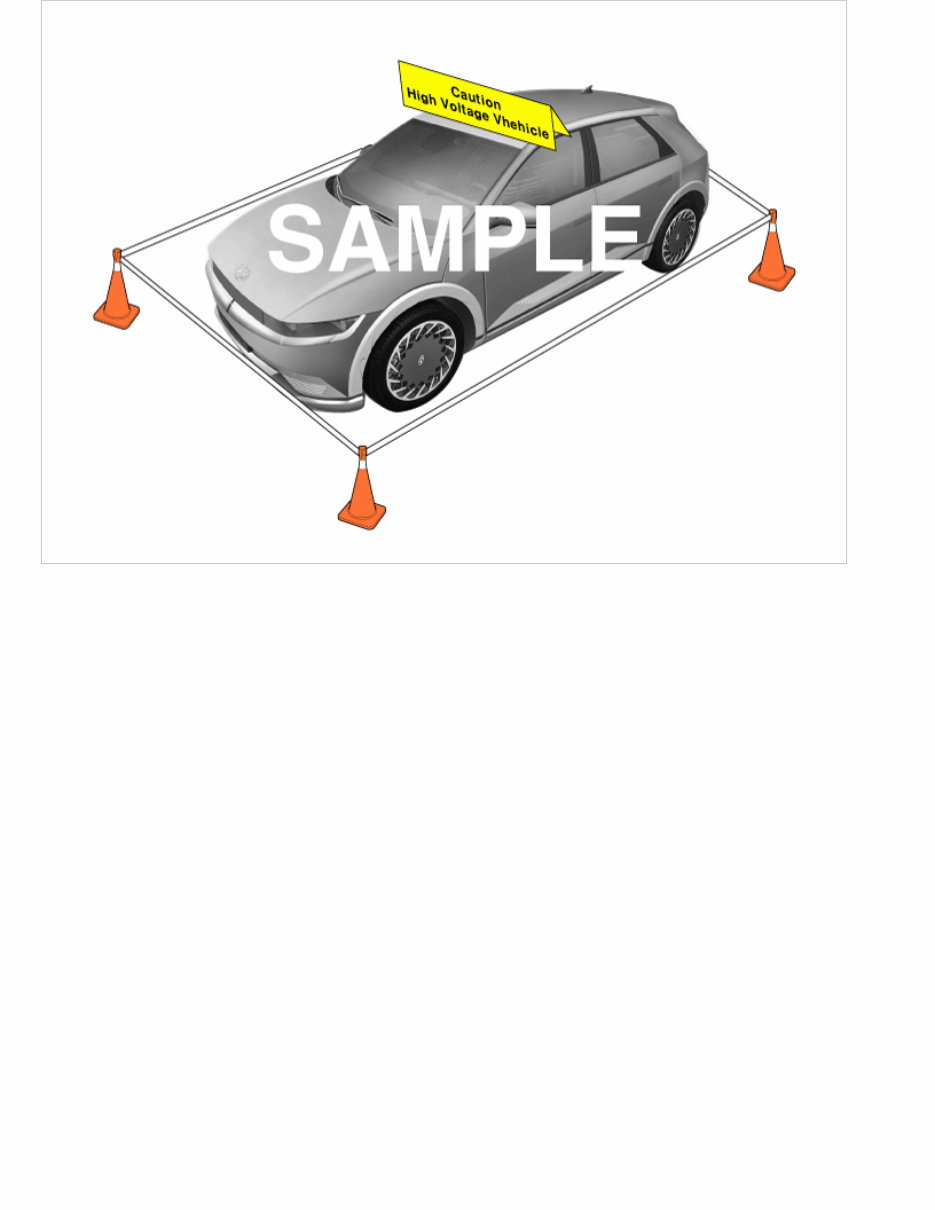
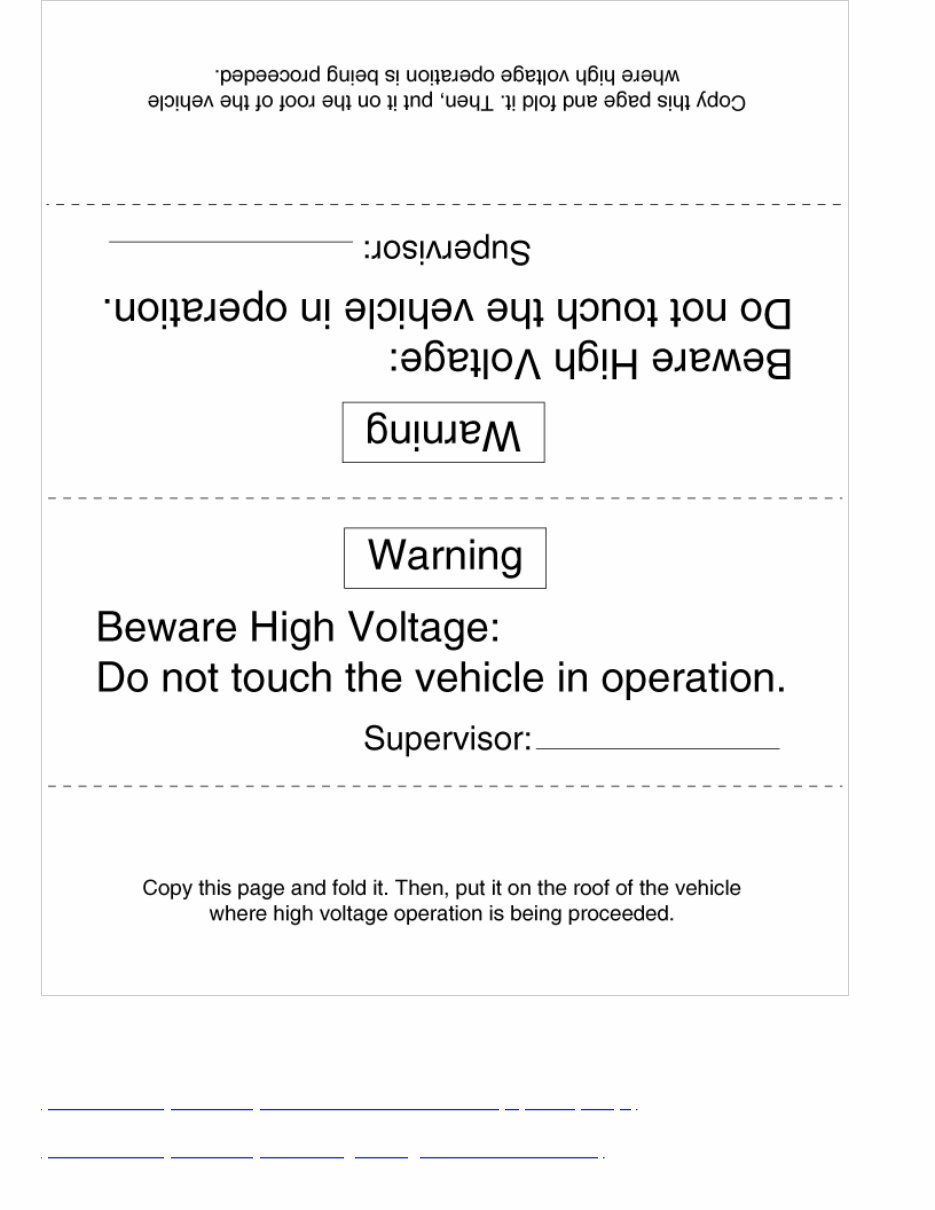
1.When servicing a high voltage component, place a "High Voltage Vehicle Warning" sign as shown below to warn
others.
2. Metallic object may cause short circuit, leading to personal injury or vehicle damage. Be sure to remove all metallic
objects from the body before starting the task. (Metallic objects : watch, ring, and other metallic objects)
3. Before working on the high voltage system, equip yourself with a personal protective equipment to prevent safety-
related incidents.
(Refer to Battery Control System - "Personal Protective Equipment (PPE)")
4. The high voltage must be shut off prior to inspecting or repairing the high voltage system.
(Refer to Battery Control System - "High Voltage Shut-off Procedures")
IONIQ 5(NE EV) > 2023 > 70kW+160kW > General Information
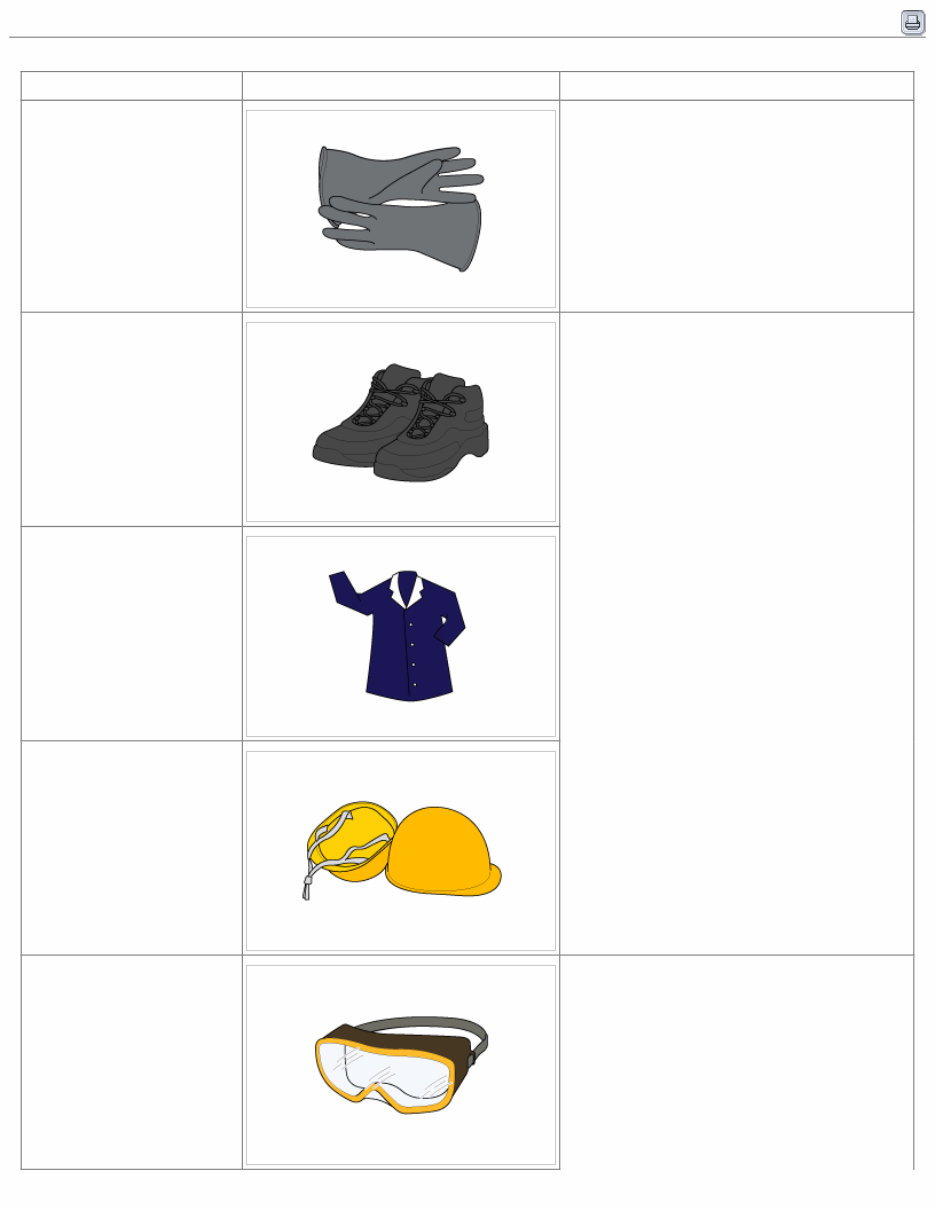
- Personal Protective Equipment (PPE)
Name Image Purpose
Insulated Gloves
Used when working with high voltage.
[Insulation Performance : 1000 V / 300 A or
Greater]
Insulated Boots
Used when working with high voltage. Insulated Suit
Insulated Safety Helmet
Protective Goggles
Wear in the Following Cases
• Installing, removing, or inspecting the high
voltage battery terminal or wiring which may
cause a spark
• Work on the high voltage battery system
assembly (BSA)
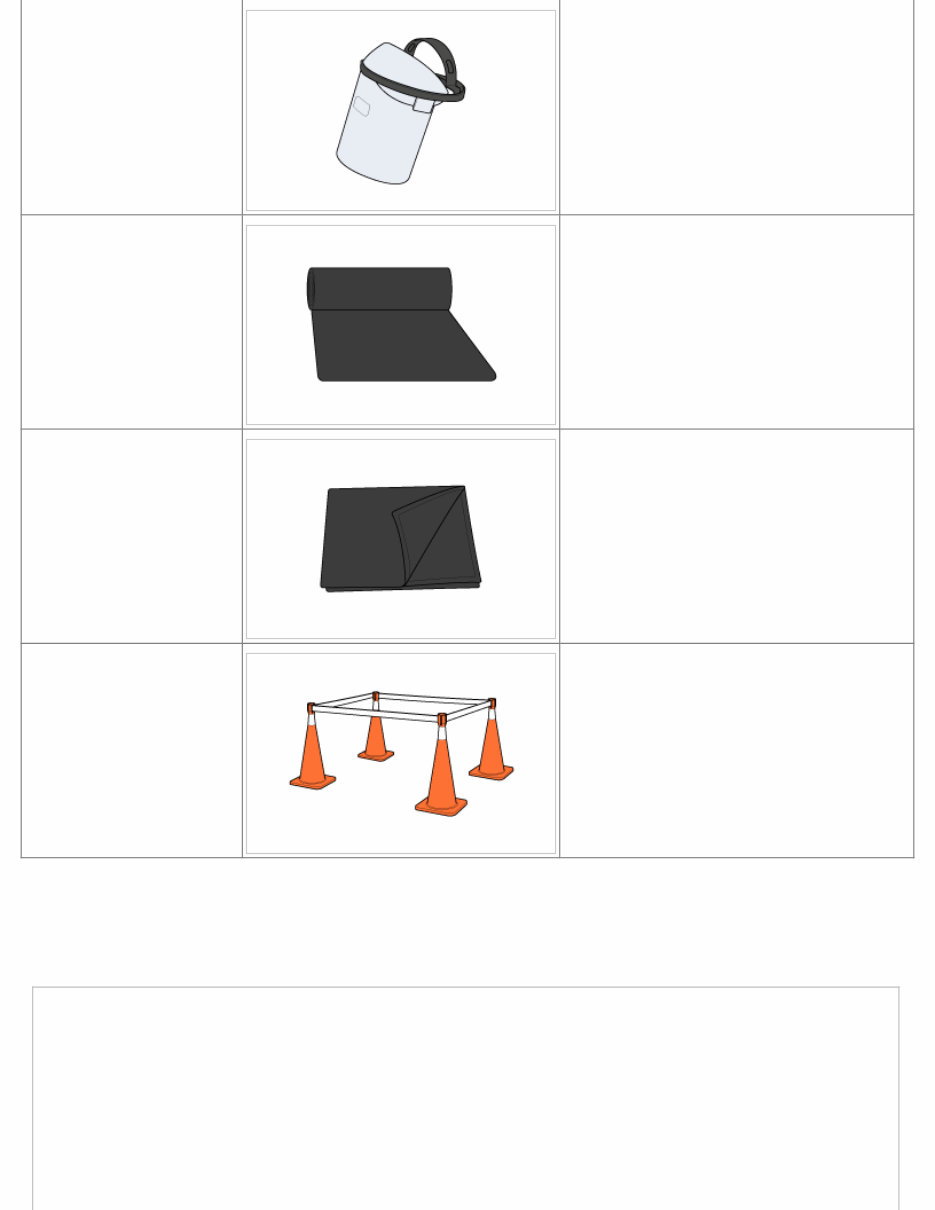
Face Protection
Insulated Mat
Organize and store the removed high voltage
parts on an insulated mat to prevent any
electric shock accident.
Insulated Cover
Cover the high voltage parts with an insulated
cover to prevent any safety-related accidents
of a person not equipped with the protective
equipment.
Warning Tape
Place around the vehicle to keep people away
from the site in order to prevent any accident
during the work.
- Personal Protective Equipment (PPE) Inspection
• Check to see if insulated boots, insulated suit, insulated helmet, and safety guards are not torn or damaged.
• Check to see if the insulated gloves are not torn or damaged.
• Be sure to wear fully dried insulated gloves.
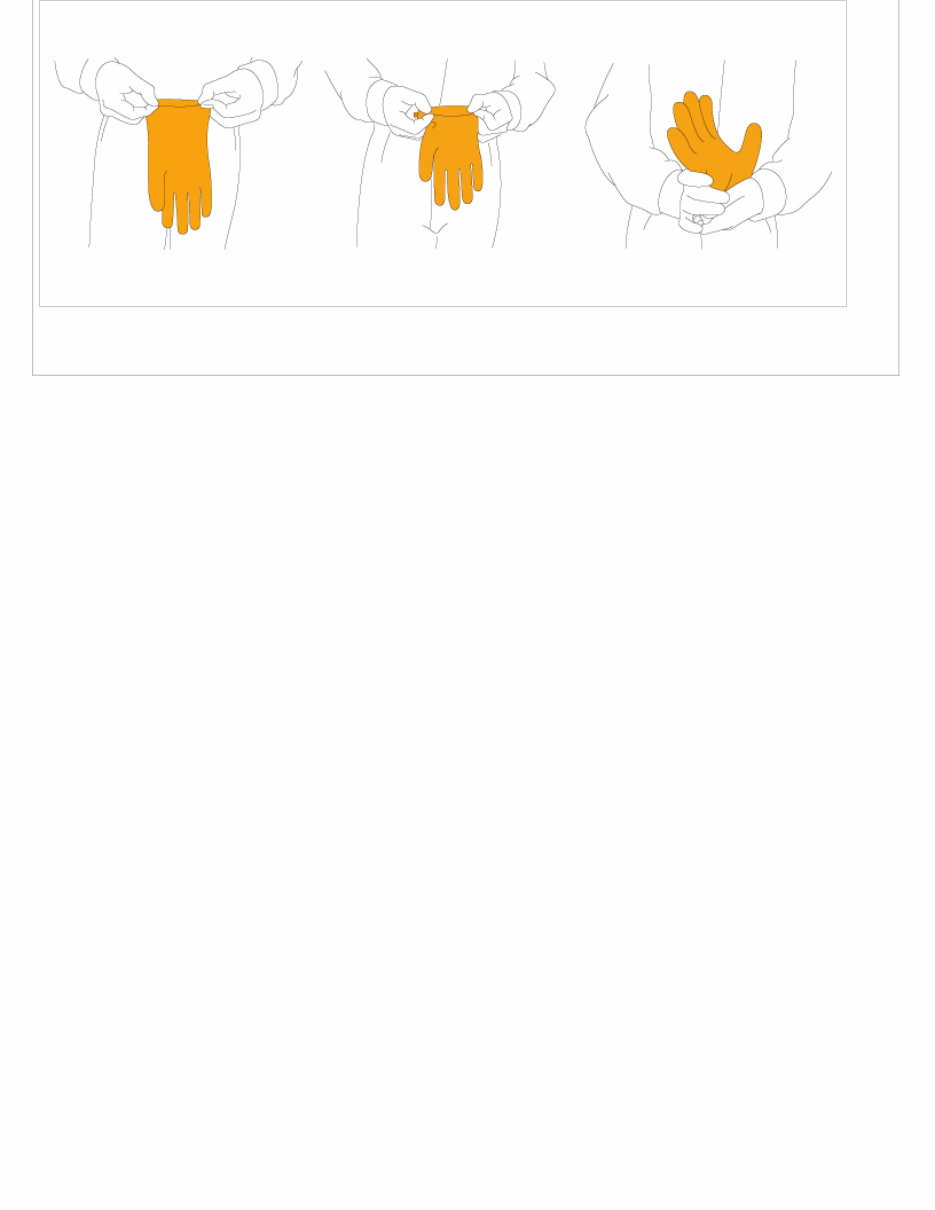
① Fold the insulated gloves as shown above.
② Fold 3 to 4 more times to prevent air discharge.
③ Check for any torn or damaged areas.

IONIQ 5(NE EV) > 2023 > 70kW+160kW > General Information
12345
- Precautions for handling Vehicles involved in Accident
Preparations when servicing the vehicle involved in an accident
• Personal Protective Equipment (PPE)
(Refer to Battery Control System - "Personal Protective Equipment (PPE)")
• Boric Acid Powder or Solution
• Carbon Dioxide Fire Extinguisher or Other Fire Extinguisher
• Towel for cleaning electrolyte
• Vinyl Tape (for insulating terminal)
• Megohm Tester (for checking high voltage insulation resistance)
Precautions when handling the vehicle involved in an accident
• Be sure to wear Personal Protective Equipment (PPE)
• Never touch the power cable where the insulating coating has been peeled off.
• If the vehicle is flooded, never approach to the parts with high voltage. If unavoidable, move the vehicle to a safe
place before taking action.
• Gas is hydrogen and alkaline vapor. If indoor leakage occurs, ventilate the area immediately and evacuate to a safe
place.
• If there is a skin contact with leaked liquid, immediately neutralize the affected area with boric acid solution, then
clean with tap water or saline solution.
• To cut off the high voltage, refer to "High Voltage Shut-off Procedure."
(Refer to Battery Control System - "High Voltage Shut-off Procedures")
Precaution for vehicle fire
If small scale fire occurs, use an extinguisher for electrical fire (ABC or BC) to extinguish.
• If the fire has not been put down in early stage, escape to a safe place and keep people out of the vehicle.
• Call fire station and report that the vehicle is on fire. Follow the instruction guided by the fire station.
• If it is difficult to supress the fire, promptly move to safe place and wait until the rescue arrives.
• The fire on the drive motor battery at the bottom of the vehicle requires constant supply of a large volume of
water for fire extinguishment. It is difficult to extinguish the fire if there are not enough water or a proper fire
extinguisher. Approaching the vehicle may lead to serious injury such as electrical shock.
Inspection by the type of accident
1. After the exterior inspection, determine whether the car requires a general repair or a repair specified for car involved
in accident.
2. Comply with the repair procedure by DTC code for a general repair.
3. Proceed with the following repair procedure when repairing vehicles involved in accidents.
(1) Electrical accident
–Overcharging/Overdischarging : Battery Over Voltage (P0DE7)/Under Voltage (P0DE6) Code Display (refer to
the DTC Diagnosis Guide)
– Short Circuit : High voltage fuse disconnection-related diagnosis (P1B77, P1B25) code display (refer to DTC
Diagnosis Guide)
(2) Fire Accidents
Type Steps to inspect IResults Remedy
Fire caught on
the area without
High Voltage
Battery
1. Exterior Inspection
(Deformation, rust, wiring sheath, smell and
connector)
Damage of High
Voltage Battery
Insulate or wrap the
insulator after
removing the high
voltage battery
2. Measure the high voltage battery insulate
resistance after shutting off the high voltage.
Breakdown of High
Voltage Battery
Insulation
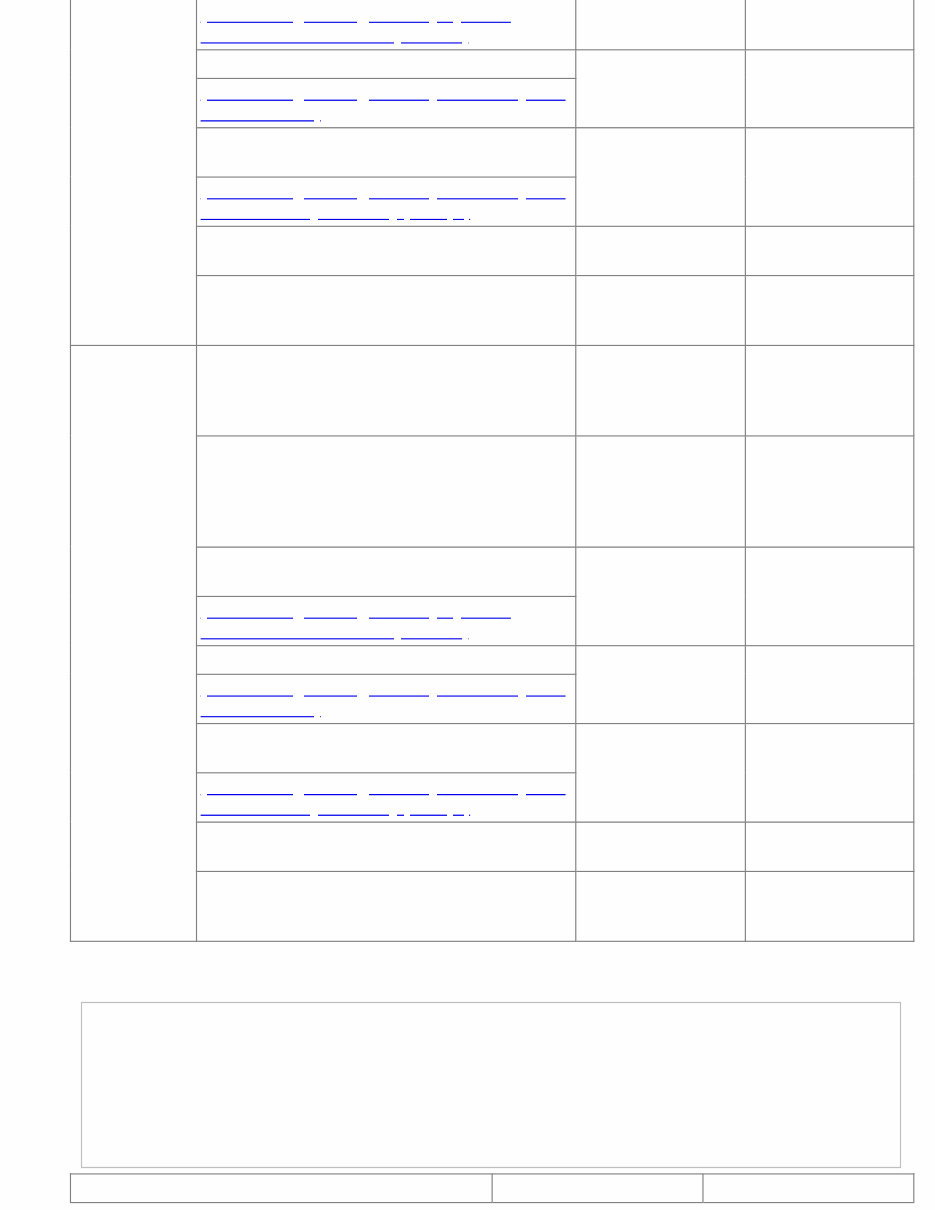
(Refer to High Voltage Battery System -
"Isolation Resistance Inspection")
3. Check to see if the main fuse is disconnected
Disconnection of
Main fuse
Replace the main
fuse
(Refer to High Voltage Battery Control System
- "Main Fuse")
4. Check to see if the High Voltage Main Relay is
welded
Welding of High
Voltage Main Relay
Replace the Power
Relay Assembly
(PRA)
(Refer to High Voltage Battery Control System
- "Power Relay Assembly (PRA)")
5. Check for other part failure Other part failure
Replace the other
part
6. Check the DTC code of the Battery
Management Unit (BMU)
DTC occurred
Follow the DTC
inspection guide
repair procedure
Fire caught on
the area with
High Voltage
Battery
1. Exterior Inspection
(Deformation, rust, wiring sheath, smell and
connector)
Damage of High
Voltage Battery
Insulate or wrap the
insulator after
removing the high
voltage battery
2. High Voltage Battery Exterior Damage
Inspection
High Voltage Battery
Exterior
Damage(Heat marks,
soot, etc.)
After removing the
high voltage battery,
follow the high
voltage battery
disposal procedure
3. Measure the high voltage battery insulate
resistance after shutting off the high voltage.
Breakdown of High
Voltage Battery
Insulation
Insulate or wrap the
insulator after
removing the high
voltage battery
(Refer to High Voltage Battery System -
"Isolation Resistance Inspection")
4. Check to see if the main fuse is disconnected
Disconnection of
Main fuse
Replace the main
fuse
(Refer to High Voltage Battery Control System
- "Main Fuse")
5. Check to see if the High Voltage Main Relay is
welded
Welding of High
Voltage Main Relay
Replace the Power
Relay Assembly
(PRA)
(Refer to High Voltage Battery Control System
- "Power Relay Assembly (PRA)")
6. Check for other part failure Other part failure
Replace the other
part
7. Check the DTC code of the Battery
Management Unit (BMU)
DTC occurred
Follow the DTC
inspection guide
repair procedure
(3) Car Accidents
• If it is difficult to access the high voltage battery due to the vehicle damage, amputate or deform the
vehicle body to access the battery for inspection and repair. While cutting or deforming the vehicle body,
be careful not to damage the high voltage system.
• If the trouble codes do not appear and the exterior look of the battery is okay, do not replace the high
voltage battery. (However, if the vehicle is severely damaged and requires a scrap, discard the battery if
necessary)
Steps to inspect Results Remedy
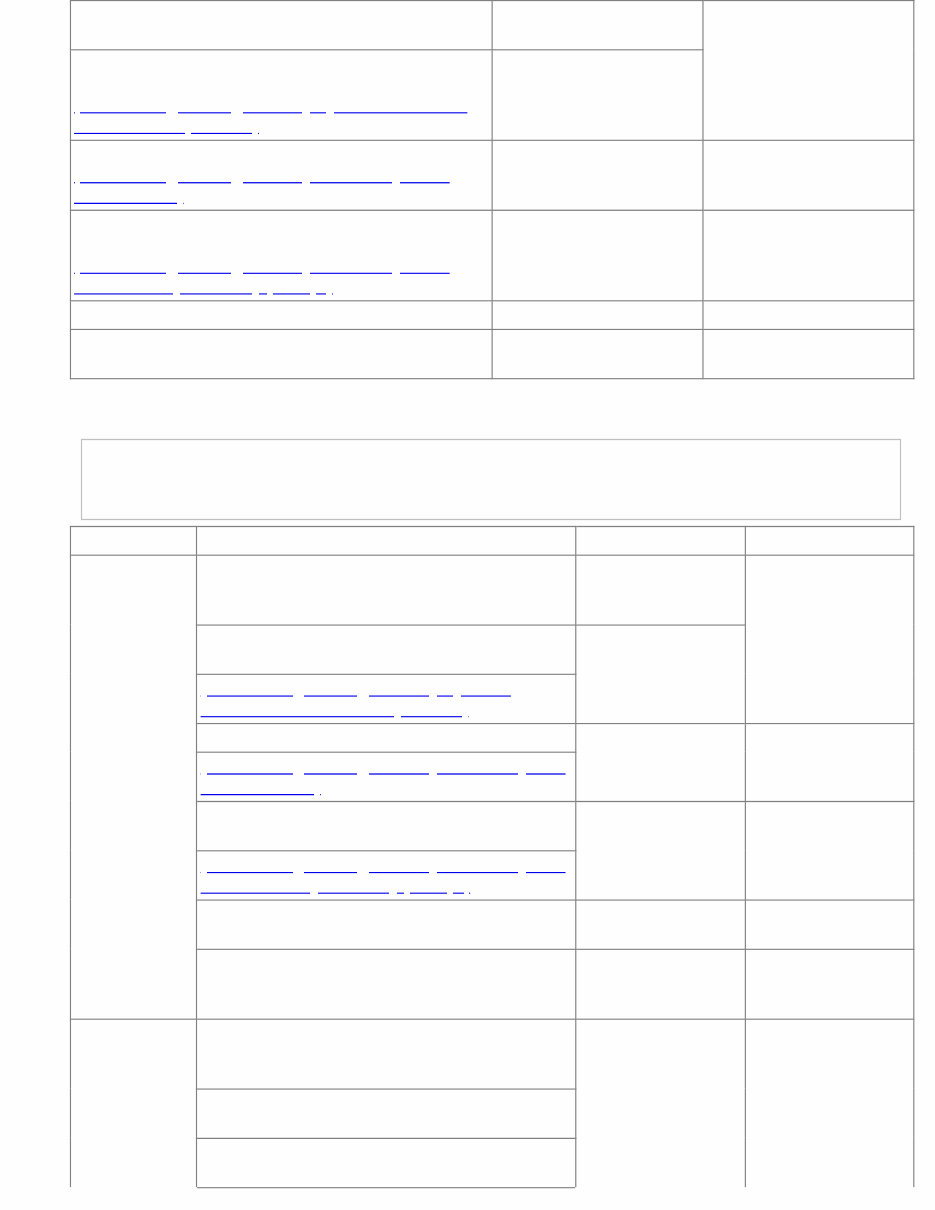
1. Exterior Inspection
(Deformation, rust, wiring sheath, smell and connector)
Damage of High Voltage
Battery
Insulate it or wrap the
insulator after removing
the high voltage battery
2. Measure the high voltage battery insulate resistance
after shutting off the high voltage.
(Refer to High Voltage Battery System - "Isolation
Resistance Inspection")
Breakdown of High
Voltage Battery Insulation
3. Check to see if the main fuse is disconnected
(Refer to High Voltage Battery Control System -
"Main Fuse")
Disconnection of Main
fuse
Replace the main fuse
4. Check to see if the High Voltage Main Relay is
welded
(Refer to High Voltage Battery Control System -
"Power Relay Assembly (PRA)")
Welding of High Voltage
Main Relay
Replace the Power Relay
Assembly (PRA)
5. Check for other part failure Other part failure Replace the other part
6. Check the DTC code of the Battery Management
Unit (BMU
DTC occurred
Follow the DTC inspection
guide repair procedure
(4) Flooding Accidents
• If more than half of the vehicle is flooded, do not access any high voltage related parts such as high
voltage cut-off switch. Always move the vehicle to a safe area before taking any measures.
Type Steps to inspect Results Remedy
Flooded area
without High
Voltage Battery
1. Exterior Inspection
(Deformation, rust, wiring sheath, smell and
connector)
Damage of High
Voltage Battery
Insulate or wrap the
insulator after
removing the high
voltage battery
2. Measure the high voltage battery insulate
resistance after shutting off the high voltage.
Breakdown of High
Voltage Battery
Insulation
(Refer to High Voltage Battery System -
"Isolation Resistance Inspection")
3. Check to see if the main fuse is disconnected
Disconnection of
Main fuse
Replace the main
fuse
(Refer to High Voltage Battery Control System
- "Main Fuse")
4. Check to see if the High Voltage Main Relay is
welded
Welding of High
Voltage Main Relay
Replace the Power
Relay Assembly
(PRA)
(Refer to High Voltage Battery Control System
- "Power Relay Assembly (PRA)")
5. Check for other part failure Other part failure
Replace the other
part
6. Check the DTC code of the Battery
Management Unit (BMU)
DTC occurred
Follow the DTC
inspection guide
repair procedure
Flooded area
with High
Voltage Battery
1. Exterior Inspection
(Deformation, rust, wiring sheath, smell and
connector)
Measures must be
taken regardless of
the inspection results
Insulate or wrap the
insulator after
removing the high
voltage battery
2. High Voltage Battery Exterior Damage
Inspection
3. Measure the high voltage battery insulate
resistance after shutting off the high voltage.
(Refer to High Voltage Battery System -
"Isolation Resistance Inspection")
4. Check to see if the main fuse is disconnected
(Refer to High Voltage Battery Control System
- "Main Fuse")
5. Check to see if the High Voltage Main Relay is
welded
(Refer to High Voltage Battery Control System
- "Power Relay Assembly (PRA)")
6. Check for other part failure
7. Check the DTC code of the Battery
Management Unit (BMU)
You're Reading a Preview
What's Included?
 Lifetime Access
Fast Download Speeds
Online & Offline Access
Access PDF Contents & Bookmarks
Full Search Facility
Print one or all pages of your manual
$57.99
2023 Hyundai IONIQ 5 (NE EV) 70kW+160kW Service & Repair Manual
Viewed 17 Times Today

What's Included?
Lifetime Access
Fast Download Speeds
Online & Offline Access
Access PDF Contents & Bookmarks
Full Search Facility
Print one or all pages of your manual
$57.99

Secure transaction
What's Included?
Lifetime Access
Fast Download Speeds
Online & Offline Access
Access PDF Contents & Bookmarks
Full Search Facility
Print one or all pages of your manual
Description
The 2023 Hyundai IONIQ 5 (NE EV) 70kW+160kW Service & Repair Manual is a comprehensive guide designed for both professional mechanics and DIY enthusiasts. This manual provides detailed information on the maintenance, repair, and troubleshooting of the vehicle's various systems and components.
- It covers a wide range of topics, including diagnostic procedures, wiring diagrams, and component specifications, helping you to quickly identify and resolve issues.
- The manual is packed with technical information, providing you with the knowledge and confidence to perform complex repairs and maintenance tasks.
- Whether you're a seasoned mechanic or a DIY enthusiast, this manual is an essential resource to have at your disposal, helping you to ensure your vehicle runs smoothly and efficiently.
This manual is designed to provide technical guidance for those who need to work with the 2023 Hyundai IONIQ 5 (NE EV) 70kW+160kW. It is suitable for both professionals and amateur mechanics who want to gain a deeper understanding of their vehicle's inner workings.


