








You're Reading a Preview
 Lifetime Access
2002-2006 Honda CR-V OEM Service & Repair Manual
 Lifetime Access
 Lifetime Access
Description
2002-2006 Honda CR-V OEM Service & Repair Manual
Engines covered:
- 2.0L K20A DOHC VTEC
- 2.4L K24A DOHC VTEC
The 2002-2006 Honda CR-V OEM Service & Repair Manual is a detailed workshop reference for servicing and repairing second-generation RD Honda CR-V models. Covering the 2.0L K20A DOHC VTEC and 2.4L K24A DOHC VTEC engines, this manual is built around the kind of factory repair information technicians use for maintenance, diagnostics, component inspection, and more involved mechanical work.
This manual is a solid fit for both pro mechanics and novice DIY owners who want proper service information before starting the job. Whether you are dealing with engine work, transmission problems, brake repairs, suspension wear, or electrical faults, having the right service and repair manual nearby makes it a lot easier to work through the vehicle system by system and keep the job on track.
What’s Inside the 2002-2006 Honda CR-V OEM Service & Repair Manual
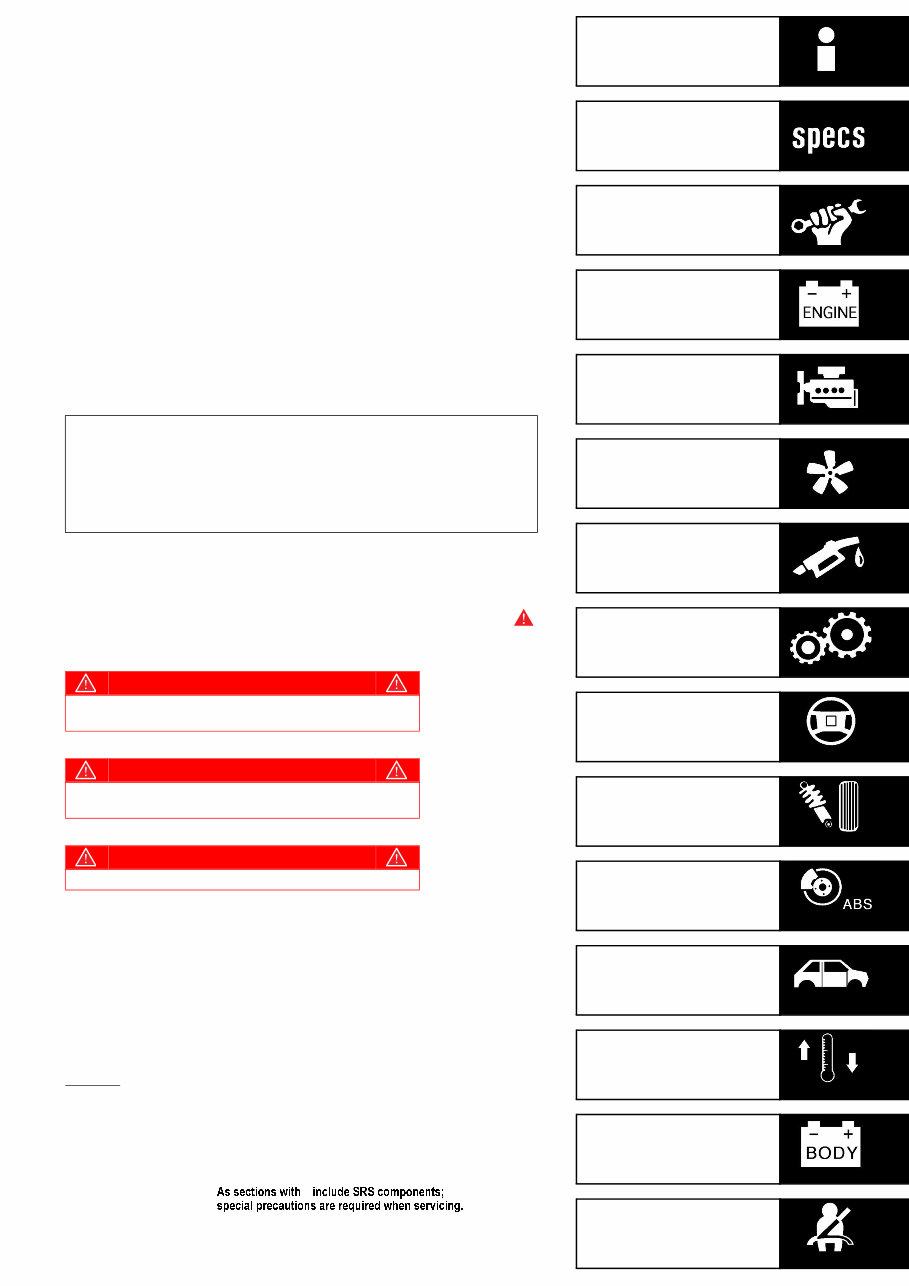
General Information & Factory Service Procedures
This section usually lays out the core workshop information for the 2002-2006 Honda CR-V, including service precautions, vehicle identification data, system descriptions, and standard factory repair procedures. It helps set the groundwork before getting into the individual systems, especially when the vehicle is being serviced for the first time or after a long gap in maintenance history.
Technical Specifications & Service Data
Includes detailed factory specifications, service measurements, tolerances, and reference data used during diagnosis and repair. This kind of information matters when checking wear limits, confirming clearances, tightening components to spec, or comparing measured values against what Honda intended.
Scheduled Maintenance & Inspection Procedures
Routine maintenance is what keeps these CR-Vs going for the long haul, and this section usually covers the manufacturer-recommended service intervals and inspection procedures. It is useful for owners staying on top of regular upkeep and for mechanics carrying out scheduled service work in a more organized way.
Engine Electrical System Diagnostics
This part of the manual covers engine electrical components such as ignition system parts, charging system components, sensors, and electronic engine control systems. It is especially handy when dealing with no-start issues, charging faults, warning lights, poor running conditions, or sensor-related engine problems.
Engine Mechanical Service & Overhaul
Engine mechanical coverage includes cylinder head service, timing-related components, valve train systems, pistons, crankshaft assemblies, and deeper internal engine repairs. For bigger jobs such as oil consumption problems, timing work, compression-related issues, or general overhaul procedures, this section gives the kind of detailed reference that matters.
Engine Cooling System Service
This section covers inspection and repair procedures for the cooling system, including the radiator, cooling fans, thermostat, and coolant circulation components. It is useful when the CR-V is running hot, losing coolant, or showing signs of poor cooling performance during everyday driving.
Fuel Delivery & Emissions Control Systems
Includes service information for fuel injection components, emissions-related hardware, and engine management diagnosis tied to fuel and combustion control. If the vehicle has hesitation, rough idle, poor fuel economy, or emissions-related drivability issues, this section is one of the first places worth checking.
Clutch System Service & Adjustment
For manual transmission models, this section usually covers clutch inspection, adjustment, removal, and installation procedures. It helps when the clutch starts slipping, pedal feel changes, or the vehicle develops shift engagement problems tied to clutch operation.
Manual Transmission & Differential Service
This part of the manual focuses on service procedures for manual gearboxes and manual transmission differentials where applicable. It is useful for diagnosing shift quality problems, servicing internal gearbox components, and handling removal and installation work during bigger repairs.
Automatic Transmission Diagnostics & Repair
Automatic transmission coverage generally includes repair procedures for electronic controls, hydraulic operation, and transmission component service. When the CR-V develops harsh shifting, slipping, delayed engagement, or transmission-related warning symptoms, this section helps guide the diagnosis and repair process.
Rear Differential Service
Includes inspection and repair procedures for rear differential assemblies and related drivetrain components. On all-wheel-drive CR-V models, this is a useful section for handling noise, fluid service, wear-related issues, or general rear driveline maintenance.
Driveline & Axle Components
This section covers driveshafts, axle shafts, and related drivetrain hardware. If the vehicle develops vibration, clicking, leaking axle seals, or wear in the driveline, this part of the manual helps you narrow down the cause and work through the repair with the right sequence.
Steering System Service & Adjustment
Steering coverage includes service procedures for steering racks, linkages, and power steering components. It is useful when the wheel feels loose, steering effort changes, fluid leaks show up, or the CR-V no longer tracks as cleanly as it should.
Suspension System Inspection & Repair
This part covers front and rear suspension components including control arms, bushings, shocks, and suspension geometry. For older CR-Vs that have started clunking, leaning, riding rough, or wearing tires unevenly, this section is often one of the most useful in the manual.
Brake System Diagnostics & Repair
Brake system service usually includes hydraulic brake repairs, component inspection, service procedures, and system diagnostics. Whether the issue is poor pedal feel, worn braking parts, pulling under braking, or routine brake maintenance, this section helps keep the work clear and accurate.
Body Repair & Exterior Components
Body-related service information generally covers body panels, structural areas, and exterior fittings. It is useful for damage repair, trim removal, or gaining access to other systems that sit behind exterior panels and body hardware.
Heating, Ventilation & Air Conditioning (HVAC)
This section covers climate control service including heater components and air conditioning system repairs. It helps when the CR-V has weak heat, poor cabin cooling, blower issues, or airflow problems that need more than a simple visual check.
Body Electrical Systems & Vehicle Electronics
Includes diagnostics and repair procedures for switches, lighting systems, interior electronics, and other body control functions. This is a handy section for tracking down power accessory faults, lighting problems, switch issues, or other electrical problems that show up in daily use.
Navigation System Service
Where equipped, the manual may include inspection and repair procedures for factory navigation system components and related electronics. This can be useful when diagnosing display issues, control faults, or problems tied to the factory infotainment-related hardware.
Supplemental Restraint System (SRS) & Safety Systems
This section covers airbag-related components, seatbelt systems, and occupant safety hardware. These are systems that need careful handling and the correct procedures, so proper reference information is important before doing any inspection or replacement work.
Troubleshooting Procedures, Specifications & Technical Reference
Along with repair steps, manuals like this typically include troubleshooting procedures, technical reference data, service checks, and testing guidance that help narrow down faults across multiple vehicle systems. That kind of material is especially useful when the problem is not obvious right away and needs a more methodical diagnosis.
Why Choose This 2002-2006 Honda CR-V Service Manual?
The second-generation Honda CR-V has a reputation for being dependable, but once these SUVs get older, proper service information becomes more important than ever. Rubber parts wear out, suspension components loosen up, sensors start acting up, and transmissions or cooling systems may need closer attention. A detailed repair manual helps you approach that work in a more practical way instead of jumping in blind.
It is also a good fit for different skill levels. A working technician can use it as a straight workshop reference, while a capable DIY owner can use it to better understand how the vehicle is put together and what a repair involves before picking up the tools. That makes it useful for regular maintenance, troubleshooting, and deeper repair work across the whole vehicle.
Format & Compatibility
Delivered in PDF format, this manual is easy to store, search, and open on a range of devices. You can use it on a desktop in the shop, keep it on a laptop in the garage, or pull it up on a tablet or phone when you need quick reference during a repair. Searchable digital manuals are especially handy when you need to move between systems, specs, and procedures without wasting time.
Download the 2002-2006 Honda CR-V OEM Service & Repair Manual
If you are maintaining or repairing a 2002, 2003, 2004, 2005, or 2006 Honda CR-V, this manual gives you a solid technical reference for the work. From engine service and transmission repairs to brake jobs, suspension work, HVAC diagnosis, and electrical troubleshooting, it covers the type of information that helps both experienced mechanics and hands-on DIY owners keep a second-generation CR-V running properly.
Language: English
Compatibility: Windows, macOS, Linux, iOS, Android
Requirements: PDF Reader (e.g., Adobe Reader)


