





You're Reading a Preview
 Lifetime Access
2015 Honda Civic OEM Service & Repair Manual
 Lifetime Access
 Lifetime Access
Description
2015 Honda Civic OEM Service & Repair Manual
Engines covered:
- R18Z1 – 1.8L SOHC i-VTEC Sequential Multiport Fuel-Injected Engine
- R18A9 – 1.8L SOHC i-VTEC Sequential Multiport Fuel-Injected Engine
- K24Z7 – 2.4L DOHC i-VTEC Sequential Multiport Fuel-Injected Engine
Transmissions covered:
- MZ2A – 5-Speed Automatic Transmission
- BRZA – 5-Speed Automatic Transmission
- M3WC – Continuously Variable Transmission
- SY1M – 6-Speed Manual Transmission
- Y3U4 – 5-Speed Manual Transmission
The 2015 Honda Civic OEM Service & Repair Manual is a detailed technical workshop reference for the 9th-generation Honda Civic sold in North America. It covers service procedures, diagnostics, maintenance, repair methods, system descriptions, component replacement, body repair information, electrical troubleshooting, wiring diagrams, and factory specifications for the supported Civic engines, transmissions, chassis systems, body systems, and onboard electronics.
This manual is meant for proper repair work, not basic owner-level information. It is useful for professional mechanics, Honda technicians, independent repair shops, and careful DIYers who want the correct service procedure before taking parts off the car. The Civic is easy to live with, but once you get into PGM-FI diagnostics, VSA faults, EPS issues, CVT service, multiplex control units, SRS systems, or electrical circuit testing, having the right repair manual makes the job much cleaner.
Whether you are servicing a 1.8L R18 engine, working on a K24Z7 Civic Si, diagnosing an automatic transmission issue, checking suspension wear, repairing brakes, tracing an electrical fault, or following scheduled maintenance, this Honda Civic repair manual gives you a structured reference to work from.
What’s Inside the 2015 Honda Civic OEM Service & Repair Manual
General Vehicle Information, Specifications & System Descriptions
The manual includes complete general vehicle information, system descriptions, factory specifications, service data, safety precautions, and repair fundamentals for the 2015 Honda Civic. These sections help explain how each major system is arranged before the deeper repair procedures begin.
For a shop technician, this is where you confirm specs, service notes, fluid references, system layouts, and repair precautions. For a DIY owner, it gives the kind of background that helps the job make more sense before you start removing covers, connectors, panels, or mechanical parts.
R18Z1, R18A9 & K24Z7 Engine Service and Repair
Engine service coverage includes repair and overhaul procedures for the 1.8L R18Z1, 1.8L R18A9, and 2.4L K24Z7 engines. This section covers major engine areas such as the cylinder head, engine block, mounts, ignition system, lubrication system, cooling system, exhaust system, and starting system.
This is useful for engine noise diagnosis, oil leaks, coolant leaks, compression concerns, gasket service, mount replacement, overheating issues, ignition faults, and deeper mechanical inspection. Whether the car is a regular Civic commuter or a K24-powered Civic Si, proper engine repair still comes down to following the correct procedures and measurements.
Fuel Injection, PGM-FI & Emissions Diagnostics
The fuel and emissions sections include diagnostic and repair information for the PGM-FI fuel injection system, EVAP system, EGR system, catalytic converter, intake system, idle control, electronic throttle control, and related emissions components. These sections are useful when dealing with check engine lights, failed readiness monitors, rough idle, poor throttle response, hesitation, fuel smell, or emission-related diagnostic trouble codes.
Honda engine control systems are usually logical when tested properly, but a trouble code should still be treated as a starting point. The manual helps guide inspection through fuel delivery, sensor operation, vacuum or air intake concerns, wiring checks, and control system behavior before parts are replaced.
Engine Troubleshooting, Repair Tests & System Verification
The manual includes step-by-step engine troubleshooting procedures, repair tests, fault tracing, and system verification methods. This section is useful when a symptom needs to be tested properly rather than guessed from the driver’s seat. It helps with misfires, no-start conditions, abnormal idle, reduced power, poor fuel economy, and intermittent running problems.
For professional mechanics, these procedures help confirm the repair before handing the car back. For DIY technicians, they provide a more organized way to test the system instead of replacing one part after another and hoping the fault disappears.
Automatic Transmission, CVT, Manual Transmission & Driveline Service
Transmission and driveline coverage includes service information for automatic transmissions, CVT units, manual transmissions, driveshafts, and axle systems. The manual covers the MZ2A and BRZA 5-speed automatic transmissions, M3WC CVT, SY1M 6-speed manual transmission, and Y3U4 5-speed manual transmission.
This section is useful when diagnosing shift complaints, clutch-related issues, CVT performance concerns, fluid leaks, axle noise, vibration, manual gearbox concerns, or driveline wear. Transmission work can be simple maintenance or serious diagnosis depending on the symptom, so having the correct service information helps keep the repair path straight.
Front and Rear Suspension, Wheel Alignment & Tire Service
Suspension coverage includes front and rear suspension repair, component inspection, wheel alignment information, wheels and tires service, and related chassis procedures. This section helps with clunks, worn bushings, strut or shock replacement, uneven tire wear, steering pull, vibration, poor ride quality, and alignment-related complaints.
The Civic is light enough that worn suspension parts can show up clearly in the way it drives. A bad bushing, tired strut, bent component, or poor alignment can affect tire life, braking feel, and steering response. The manual gives the inspection and service procedures needed to sort those issues properly.
Brake System, Parking Brake, VSA, ABS & Traction Control
Brake system coverage includes conventional brake service, parking brake procedures, hydraulic system work, and VSA diagnostics with ABS and traction control coverage. These sections are useful for brake pad and rotor service, hydraulic bleeding, parking brake adjustment, ABS warning lights, VSA faults, traction control concerns, brake pedal complaints, and uneven braking.
Brake work is common, but modern brake control systems add another layer to the job. When a warning light appears or the system stores a fault, the manual helps connect the mechanical brake system with the electronic control side so the issue can be diagnosed properly.
EPS Electric Power Steering & Steering Component Service
The steering section includes EPS electric power steering diagnostics, steering component service, steering column information, linkage-related procedures, and system troubleshooting. This is useful when dealing with stiff steering, warning indicators, uneven assist, steering noise, alignment concerns, or worn steering components.
EPS problems can come from mechanical wear, electrical supply issues, sensors, control units, or calibration-related concerns. The manual helps break the system down so the steering complaint can be traced instead of blamed on the first part that looks suspicious.
HVAC, Heating, Ventilation & Climate Control Systems
HVAC coverage includes heating, ventilation, air conditioning, climate control diagnostics, blower operation, air distribution components, sensors, and control-related service. This section helps with poor cooling, weak heat, blower motor faults, cabin airflow problems, control panel issues, and electrical faults inside the HVAC system.
Air conditioning and heater repairs can involve both mechanical and electrical checks. A fault may come from refrigerant service, a control unit, a sensor, a blower circuit, a door actuator, or a simple connection issue. The manual gives a cleaner way to test the system before replacing parts.
Electrical Troubleshooting, Wiring Diagrams & Connector Views
The electrical section includes wiring diagrams, connector views, circuit descriptions, component locator information, and troubleshooting procedures for the 2015 Honda Civic. These references are useful when diagnosing power supply faults, ground issues, inoperative accessories, warning lights, switch problems, communication faults, or damaged wiring.
Electrical repairs can be time-consuming if you do not know where a circuit begins, where it branches, or where the component is located. Wiring diagrams and connector views help you follow the circuit properly, especially when the problem is intermittent or hidden behind trim.
System Communication Networks & Multiplex Control Units
The manual covers system communication networks and multiplex control units used across the vehicle. This includes control module communication, body control functions, network-related diagnostics, and system integration between major electronic systems.
Modern Hondas rely on multiple control units talking to each other. A problem in one circuit, module, or communication line can affect several systems at once. This section helps diagnose faults that are not limited to one obvious switch, fuse, or component.
Body Systems, Doors, Windows, Mirrors, Roof & Lighting
Body system coverage includes doors, windows, mirrors, roof-related components, lighting systems, gauges, interior trim, and related body electrical systems. These sections are useful when repairing window regulators, lock issues, mirror operation, lighting faults, trim damage, gauge concerns, or interior electrical problems.
Body repairs often involve a mix of mechanical parts, trim removal, wiring, and control units. The manual helps show how the parts are arranged and how they should be serviced, which reduces the chance of broken clips, damaged panels, or missed connectors during reassembly.
ECM/PCM, Body Control Module & Advanced Vehicle Electronics
Advanced electronics coverage includes ECM/PCM diagnostics, body control module service, immobilizer and keyless entry systems, navigation, audio systems, multiplex control units, and related electronic modules. This section is useful for control unit faults, keyless entry problems, immobilizer issues, infotainment faults, module communication problems, and body electronics diagnosis.
These systems are connected more closely than they might look from the outside. A keyless entry issue, warning display problem, or accessory fault may involve wiring, module communication, input signals, or power supply. The manual gives the diagnostic structure needed to approach those faults properly.
SRS Airbags, Seat Belts, TPMS, Parking Sensors & Stability Control
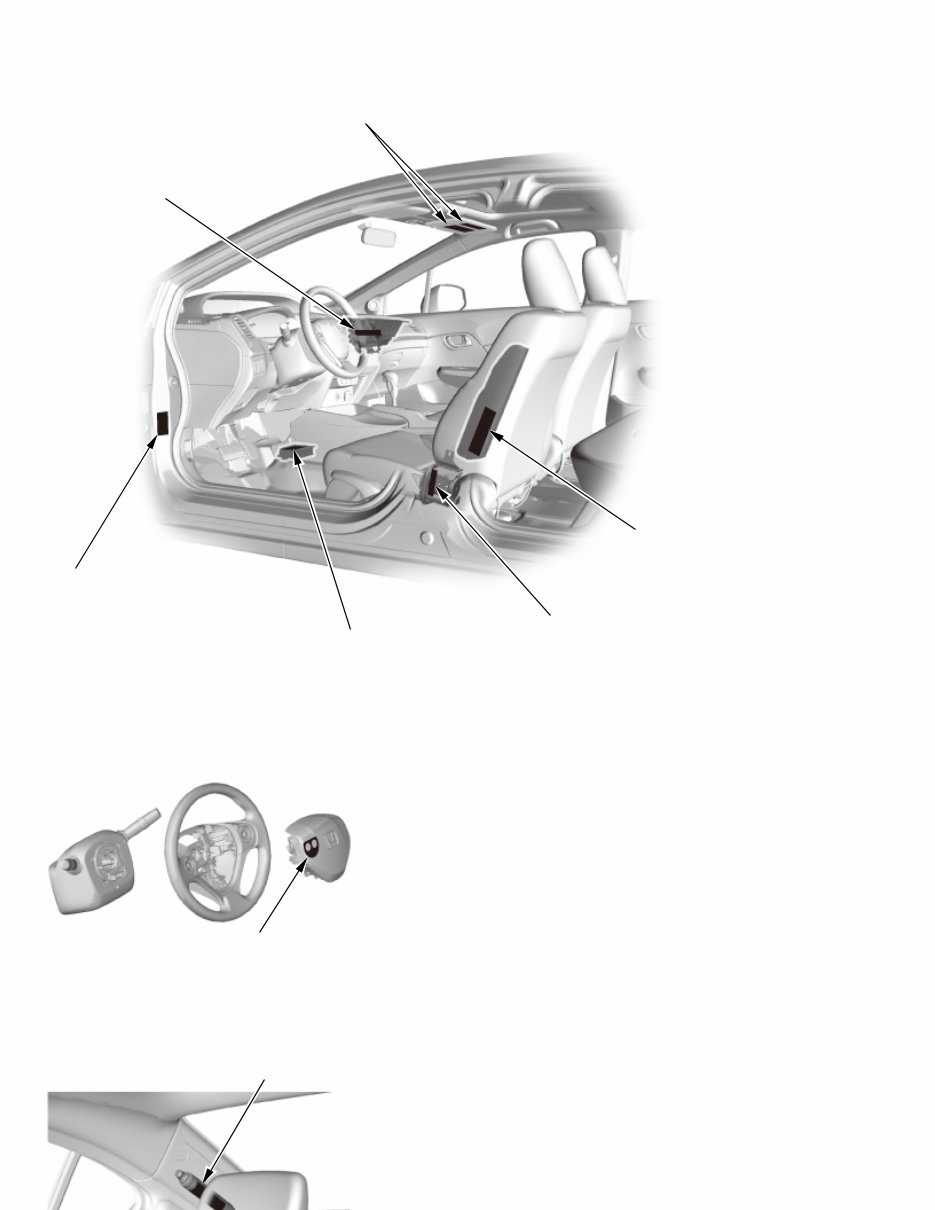
Safety and driver assistance coverage includes SRS airbags, seat belts, TPMS, parking sensors, stability control systems, and related diagnostics. These systems need careful handling because they are tied to occupant safety and warning systems.
This section is useful when diagnosing airbag warning lights, seat belt component concerns, TPMS warnings, parking sensor faults, VSA-related problems, or control unit issues. It also helps outline the proper precautions before working near SRS components or safety-related wiring.
DTCs, Control Unit Diagnostics & Onboard System Testing
The manual includes diagnostic trouble codes, control unit diagnostics, and testing procedures for the major onboard systems. This is useful when a scan tool shows a fault code and you need to understand what to test next.
A DTC can point in the right direction, but it does not always name the failed part. The manual helps connect codes with testing steps, circuit checks, component inspection, and system verification. That is useful for shop diagnostics and for DIY owners who want to avoid replacing parts without confirming the fault.
Body Repair Manual Section, Panel Replacement & Structural Repair
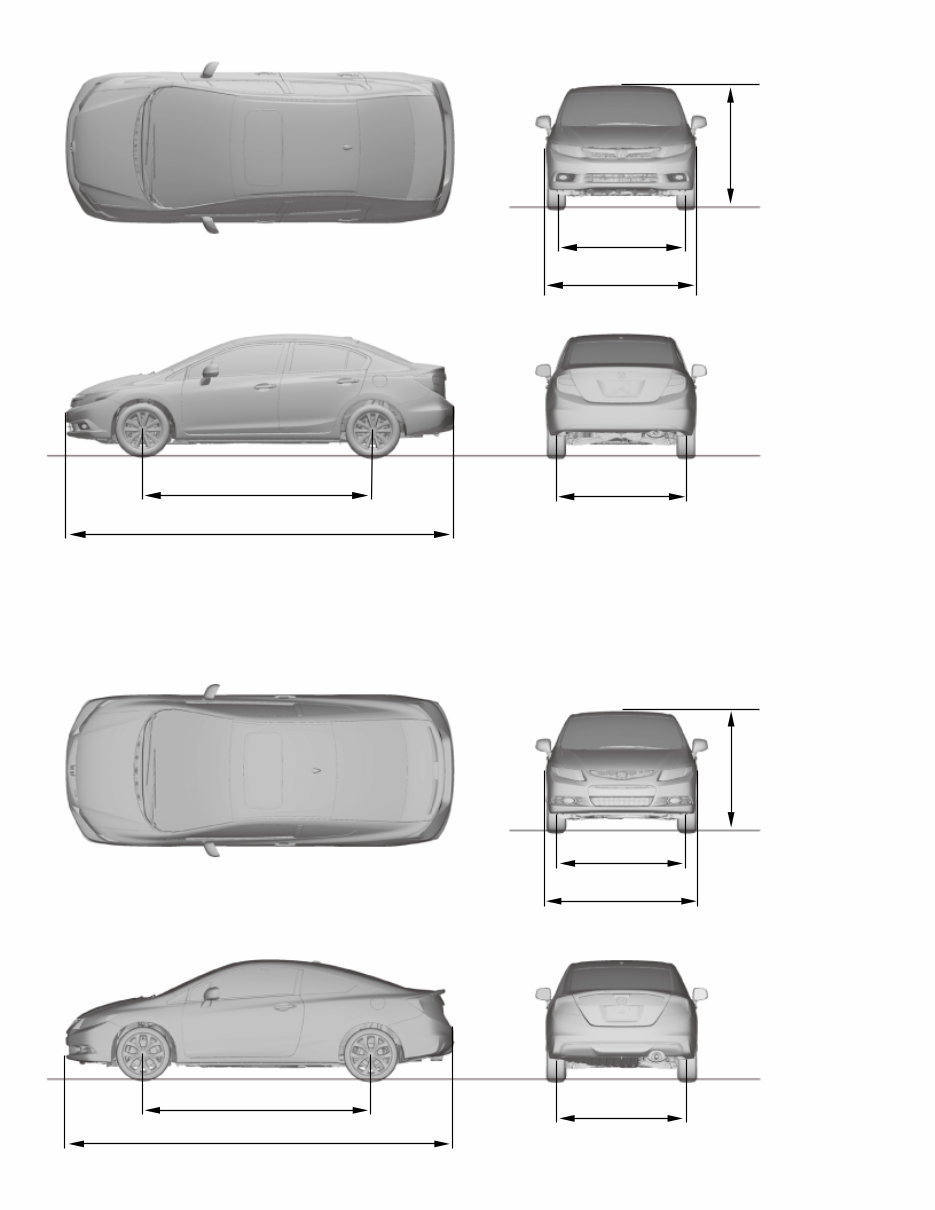
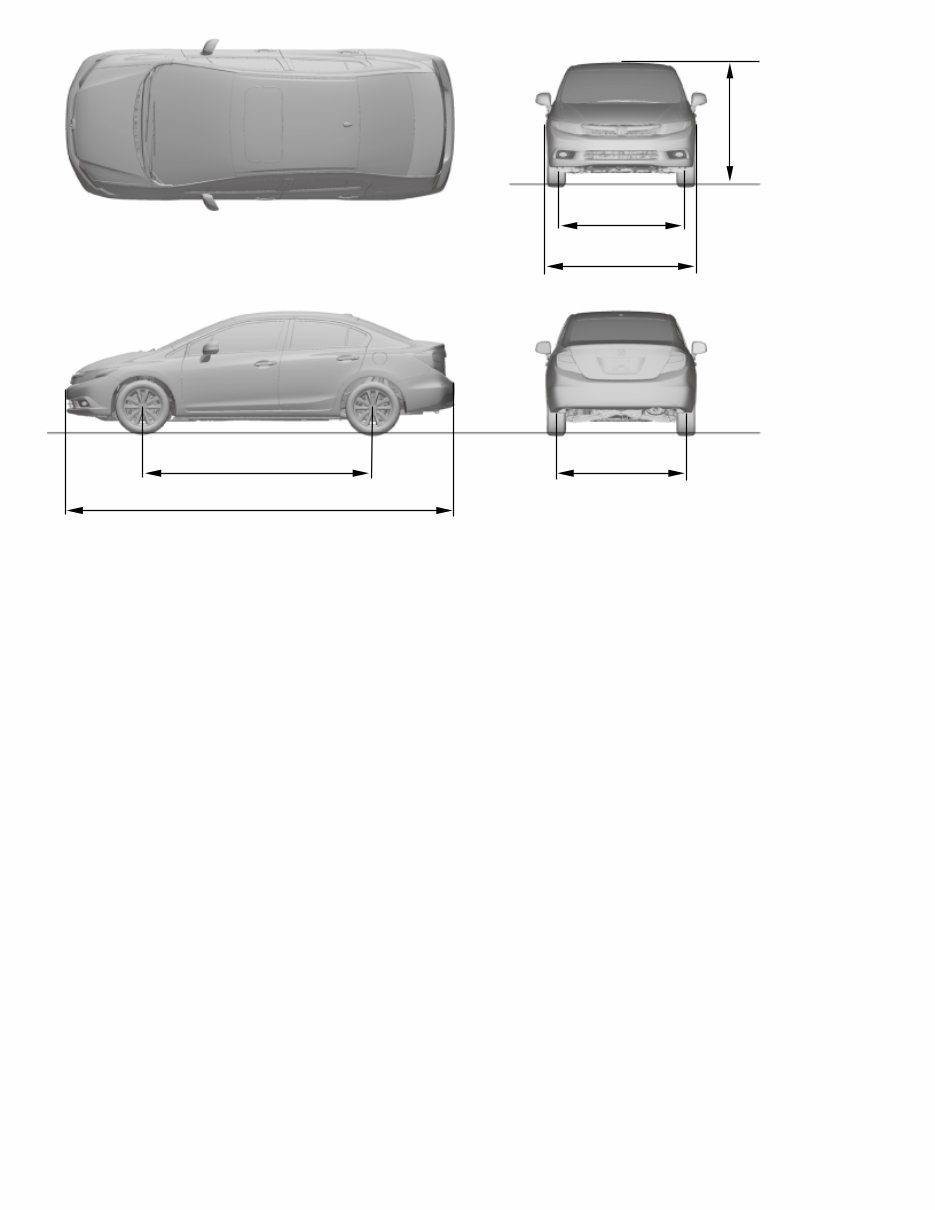
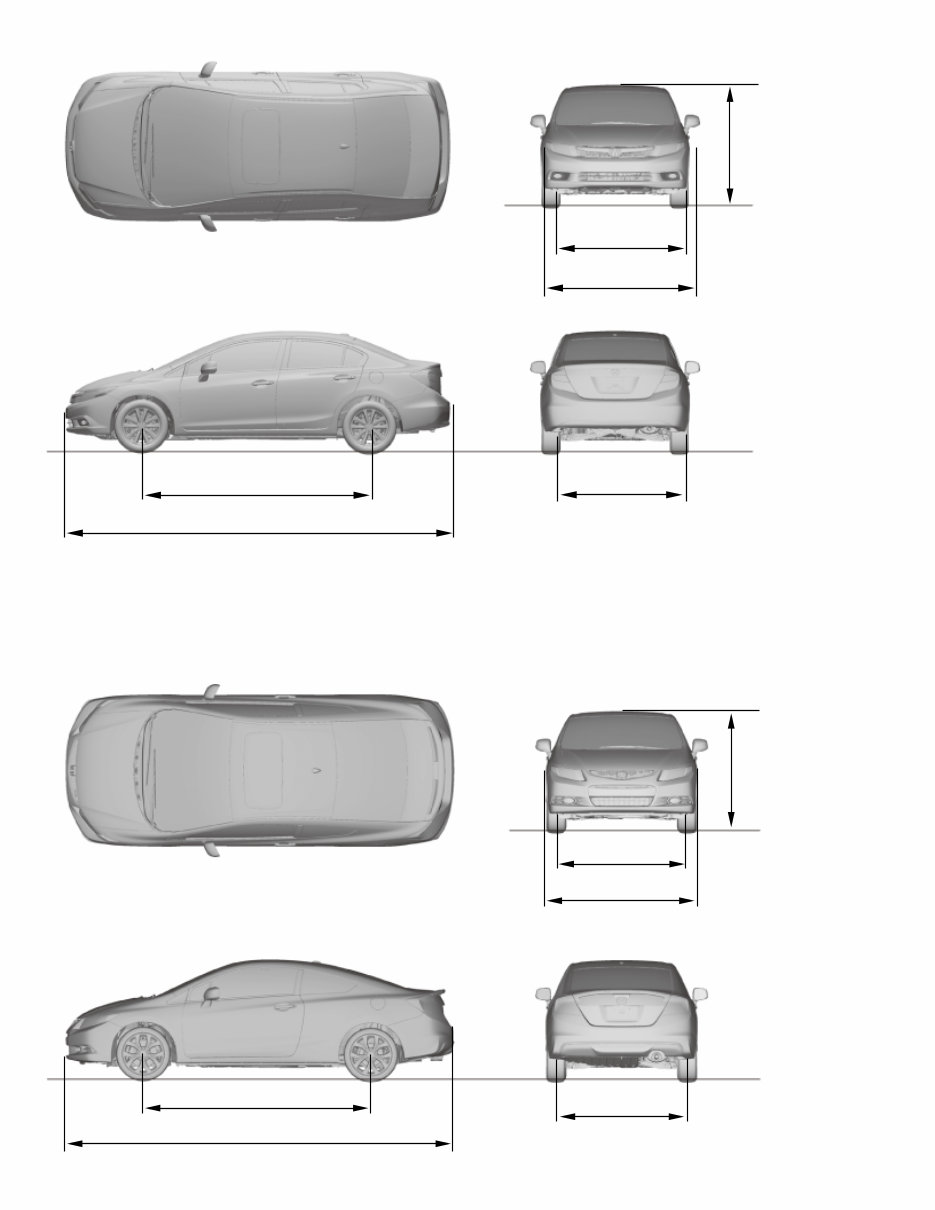
The body repair section includes panel replacement information, paint references, structural repair data, dimensional drawings, and rust prevention guidance. This section is useful for collision repair planning, panel alignment, exterior restoration, body measurement checks, and structural inspection.
Body repair needs proper reference information because panel fitment, structure, sealers, corrosion protection, and measurements all matter. This section helps support repairs beyond normal mechanical service, especially when the vehicle has accident damage, rust concerns, or exterior panel replacement needs.
Maintenance Procedures, Service Schedules & Factory Repair Methods
The manual includes maintenance procedures, service schedules, inspection points, fluid service references, and factory repair methods for the 2015 Honda Civic. This section supports regular upkeep as well as long-term repair planning.
For a Civic used as a daily driver, maintenance is what keeps small problems from becoming bigger ones. Oil service, brake inspection, tire checks, transmission service, coolant system care, filter replacement, suspension inspection, and routine diagnostics all add up over time. The manual keeps those jobs organized with proper service information.
Why Choose This Honda Civic OEM Service Manual?
The 2015 Honda Civic OEM Service & Repair Manual gives you detailed technical service information for the 9th-generation Civic sold in North America. It covers engine service, PGM-FI diagnostics, emissions systems, transmission and driveline repairs, suspension, brakes, VSA, ABS, EPS, HVAC, electrical systems, wiring diagrams, body systems, control modules, safety systems, DTCs, body repair, and scheduled maintenance.
For professional mechanics, it works as a proper workshop reference when checking procedures, confirming service data, diagnosing faults, or planning repairs. For novice DIYers, it gives a more organized way to understand the job before parts come off the car. You still need the right tools and a careful approach, but the manual gives you the repair path and technical detail to work from.
This manual is especially helpful because the 2015 Civic sits in that sweet spot where the car is still modern, but many examples are now old enough to need real repairs. Brakes, suspension, ignition components, sensors, HVAC parts, electrical accessories, transmission service, and body hardware can all need attention as mileage builds. A detailed repair manual helps keep those jobs tied to proper service procedure.
Format & Compatibility
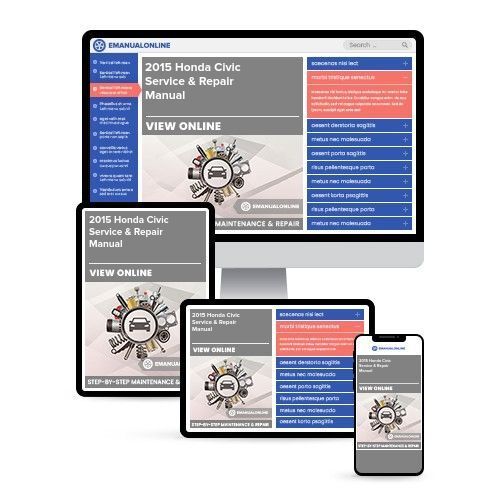
This manual is supplied in digital PDF format, making it easy to use on a desktop, laptop, tablet, or phone. You can search for systems, components, diagnostic trouble codes, repair procedures, wiring diagrams, service schedules, and specifications without digging through a printed book.
The searchable format is practical in the garage or shop because you can pull up the section you need, zoom into diagrams and connector views, check service steps, and print selected pages for the job. Whether you are under the hood, underneath the car, inside the cabin, or working through body electrical systems, the information stays easy to reach.
Download the 2015 Honda Civic OEM Service & Repair Manual
If you are maintaining, diagnosing, or repairing a 9th-generation Honda Civic, this manual gives you the technical service information needed to approach the job properly. It covers the 1.8L R18Z1 and R18A9 engines, the 2.4L K24Z7 engine, supported automatic, CVT, and manual transmissions, engine control systems, fuel and emissions diagnostics, brakes, suspension, steering, HVAC, electrical troubleshooting, body systems, safety systems, wiring diagrams, DTCs, body repair, and routine maintenance procedures.
It is a practical reference for Honda technicians, independent repair shops, professional mechanics, and DIY Civic owners who want detailed Honda Civic service information in a searchable digital format.
Language: English
Compatibility: Windows, macOS, Linux, iOS, Android
Requirements: PDF Reader (e.g., Adobe Reader)


