DESCRIPTION AND OPERATION About This Manual Introduction This manual has been written in a format that is designed to meet the needs of Ford technicians worldwide. The objective is to use common formats and include similar content in each manual worldwide. This manual provides general descriptions for accomplishing service and repair work with tested, effective techniques. Following them will help assure reliability. Replacement Parts Ford and Motorcraft parts are made to the same exacting standards as the original factory fitted components. For this reason, it is recommended that only genuine Ford or Motorcraft parts are installed during service or repair. Special Tools The Special Tool(s) Table provided at the beginning of each procedure shows all special tools required to carry out a repair. Where possible, illustrations are provided to assist in identifying the special tool required. Special tools may be ordered from Loewener OTC GmbH, Rotunda Equipment, or their agents/distributors. Important Safety Instructions Appropriate service methods and correct repair procedures are essential for the safe, reliable operation of all motor vehicles as well as the personal safety of the individual carrying out the work. SECTION 100-00: General Information 2002 Focus Workshop Manual Europe North America Loewener OTC GmbH Rotunda Equipment Industriestrasse 67 PO Box 1450 D40764 Langenfeld Kenosha W1 53141-1450 Germany Phone 1-800-ROTUNDA Tel: +49 (0) 2173 928-0 FAX 1-800-762-6181 Fax: +49 (0) 2173 928-199 WWW.FORDROTUNDA.COM
This manual cannot possibly anticipate all such variations and provide advice or cautions as to each. Anyone who departs from the instructions provided in this manual must first establish that he compromises neither his personal safety nor the vehicle integrity by his choice of methods, tools or parts. Warnings, Cautions and Notes in This Manual WARNING: Warnings are used to indicate that failure to follow a procedure correctly may result in personal injury. CAUTION: Cautions are used to indicate that failure to follow a procedure correctly may result in damage to the vehicle or equipment being used. NOTE: Notes are used to provide additional essential information required to carry out a complete and satisfactory repair. As you read through this manual, you will come across WARNINGS, CAUTIONS and NOTES. A warning, caution or note is placed at the beginning of a series of steps if it applies to multiple steps. If the warning, caution or note only applies to one step, it is placed at the beginning of the specific step (after the step number). How to Use This Manual This manual covers service and repair procedures. This manual is structured into groups and sections, with specific system sections collected together under their relevant group. A group covers a specific portion of the vehicle. The manual is divided into five groups, General Information, Chassis, Powertrain, Electrical and Body and Paint. The number of the group is the first number of a section number. Pages at the start of the manual list all sections available. Each section has a contents list detailing General Specifications, Description and Operation and Service Adjustment and Checks. If components need to be removed or disassembled in sequence, the sequence will be identified numerically in a graphic and the corresponding text will be numbered accordingly (refer to Samples'). All left and right-hand references to the vehicle are taken from a position sitting in the driver seat looking forward. All left and right-hand references to the engine are taken from a position at the flywheel looking towards the front camshaft pulley. Where appropriate, instructions will be given for the use of WDS, FDS2000 or New Generation STAR Tester diagnostic equipment. Inspection and Verification Visual Inspection Charts, Symptom Charts and other information charts (such as diagnostic routines), supplement test procedures with technical specifications, or navigate the user to a specific test procedure.
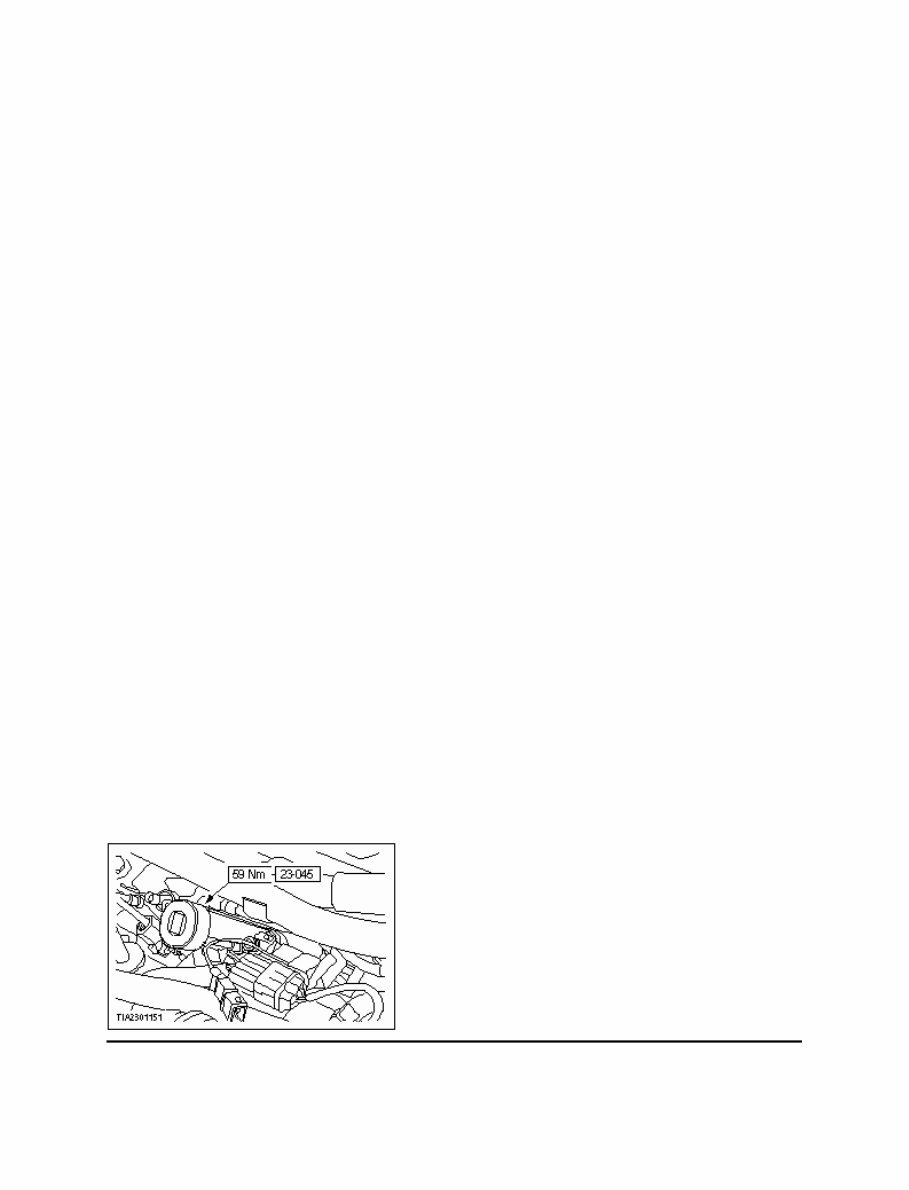
Sympton Chart The symptom chart indicates symptoms, sources and actions to address a condition. Pinpoint Tests For electrical systems, pinpoint test steps are used to identify the source of a concern in a logical, step-by-step manner. Pinpoint tests have two columns: CONDITIONS and DETAILS/RESULTS/ACTIONS. The CONDITIONS column is used exclusively for graphics and icons (with or without captions) and the DETAILS/RESULTS/ACTIONS column provides direction to another test step or specific corrective actions. The boxed numbers indicate the order in which the described action is to be performed. Component Tests A component test is used when a component is tested in multiple pinpoint tests, or if a procedure is too complicated to be formatted within a single page of the pinpoint test. Graphics Test graphics show the measurement or test to be performed in a test step. A representative tester graphic is used for voltmeters and ohmmeters. If multiple measurements are made in a single graphic, the test leads are drawn with a solid line until the test lead splits to indicate the multiple measurements, at which point dashed lines are used. Breakout box-type testers are represented by a double circle test pin. Test pins are labelled with the pin number. Samples Special Tools and Torque Figures Any requirement for special tools will picture the tool, showing it in use and with its tool number shown. Torque settings will be given at the relevant point in the procedure.
DESCRIPTION AND OPERATION Health and Safety Precautions Introduction Many of the procedures associated with vehicle maintenance and repair involve physical hazards or other risks to health. This subsection lists, alphabetically, some of these hazardous operations and the materials and equipment associated with them. Precautions necessary to avoid these hazards are identified. The list is not exhaustive and all operations and procedures, and the handling of materials, should be carried out with health and safety in mind. Before using any product the Materials Safety Data Sheet supplied by the manufacturer or supplier should be consulted. Acids and Alkalis See also Battery Acids. For example caustic soda, sulphuric acid. Used in batteries and cleaning materials. Irritant and corrosive to the skin, eyes, nose and throat. Cause burns. Can destroy ordinary protective clothing. Avoid splashes to the skin, eyes and clothing. Wear suitable protective impervious apron, gloves and goggles. Do not breath mists. Make sure access to eye wash bottles, shower and soap are readily available for splashing accidents. Display Eye Hazard sign. Air Bags See also Fire, Chemical Materials Highly flammable, explosive – observe No Smoking policy. Used as a safety restraint system mounted in the steering wheel and passenger side of the instrument panel. The inflator contains a high-energetic propellant which, when ignited, produces a VERY HOT GAS (2500°C). The gas generant used in air bags is Sodium Azide. This material is hermetically sealed in the module and is completely consumed during deployment. No attempt should be made to open an air bag SECTION 100-00: General Information 2002 Focus Workshop Manual
inflator as this will lead to the risk of exposure to Sodium Azide. If a gas generator is ruptured, full protective clothing should be worn when dealing with the spillage. After normal deployment, gloves and safety goggles should be worn during the handling process. Deployed air bags should be disposed of in a plastic bag in accordance with local regulations at an approved chemical waste site. Following any direct contact with gas generant. wash affected areas thoroughly with water. seek medical assistance if necessary. Air Bags - Do's do store modules in an upright position. do keep modules dry. do carry modules with the cover side pointing away from the body. do place modules with their cover side upwards. do carefully inspect modules for damage. do stand to one side when connecting modules. do make sure all test equipment is properly calibrated and maintained. do wash hands after handling deployed air bags. Air Bags - Do Nots do not store highly flammable material together with modules or gas generators. do not store gas generators at temperatures exceeding 80°C. do not store modules upside down. do not attempt to open a gas generator housing. do not expose gas generators to open flame or sources of heat. do not place anything on top of a module cover. do not use damaged modules. do not touch a fired module or gas generator for at least 10 minutes. do not use any electrical probes on the wiring circuit. Air Conditioning Refrigerant See also Chlorofluorocarbon, Chemical Materials Highly flammable, combustible – observe No Smoking policy. Skin contact may result in frostbite. Instructions given by the manufacturer must be followed. Avoid naked lights, wear suitable protective gloves and goggles.
If refrigerant comes into contact with the skin or eyes, rinse the affected areas with water immediately. Eyes should also be rinsed with an appropriate irrigation solution and should not be rubbed. SEEK MEDICAL ASSISTANCE IF NECESSARY. Air Conditioning Refrigerant - Do Nots do not expose refrigerant bottles to sunlight or heat. do not stand refrigerant bottles upright; when filling, hold them with the valve downwards. do not expose refrigerant bottles to frost. do not drop refrigerant bottles. do not vent refrigerant to atmosphere under any circumstance. do not mix refrigerants, for example R12 (Freon) and R134a. Adhesives and Sealers See also Fire, Chemical Materials Highly flammable, flammable, combustible – observe No Smoking policy. Generally should be stored in No Smoking areas. Cleanliness and tidiness in use should be observed, for example disposable paper covering benches; should be dispensed from applicators where possible; containers, including secondary containers, should be labelled appropriately. Solvent-based Adhesives/Sealers - See Solvents Follow manufacturers instructions. Water-based Adhesives/Sealers Those based on polymer emulsions and rubber latexes may contain small amounts of volatile toxic and harmful chemicals. Skin and eye contact should be avoided and adequate ventilation provided during use. Hot Melt Adhesives In the solid state, they are safe. In the molten state they may cause burns and health hazards may arise from the inhalation of toxic fumes. Use appropriate protective clothing and a thermostatically controlled heater with a thermal cut-out and adequate extraction. Resin-based Adhesives/Sealers, for example Epoxide and Formaldehyde Resin-based Mixing should be carried out in well ventilated areas, as harmful or toxic volatile chemicals may be released. Skin contact with uncured resins and hardeners can result in irritation, dermatitis, and absorption of toxic or harmful chemicals through the skin. Splashes can damage the eyes. Provide adequate ventilation and avoid skin and eye contact. Anaerobic, Cyanoacrylate (super-glues) and other Acrylic Adhesives
Many are irritant, sensitizing or harmful to the skin and respiratory tract. Some are eye irritants. Skin and eye contact should be avoided and the manufacturers instructions followed. Cyanoacrylate adhesives (super-glues) MUST NOT contact the skin or eyes. If skin or eye tissue is bonded, cover with a clean moist pad and SEEK IMMEDIATE MEDICAL ATTENTION. Do not attempt to pull tissue apart. Use in well ventilated areas as vapours can cause irritation to the nose and eyes. For two-pack systems see Resin-based and Isocyanate Adhesives/Sealers. Isocyanate (Polyurethane) Adhesives/Sealers See also Resin-based Adhesives Individuals suffering from asthma or respiratory allergies should not work with or near these materials as sensitivity reactions can occur. Over exposure is irritating to the eyes and respiratory system. Excessive concentrations may produce effects on the nervous system including drowsiness. In extreme cases, loss of consciousness may result. Long term exposure to vapour concentrations may result in adverse health effects. Prolonged contact with the skin may have a defatting effect which may lead to skin irritation and in some cases, dermatitis. Splashes entering the eye will cause discomfort and possible damage. Any spraying should preferably be carried out in exhaust ventilated booths, removing vapours and spray droplets from the breathing zone. Wear appropriate gloves, eye and respiratory protection. Antifreeze See also Fire, Solvents. For example isopropanol, ethylene glycol, methanol. Highly flammable, flammable, combustible. Used in vehicle coolant systems, brake air pressure systems, screenwash solutions. Vapours may be given off from coolant antifreeze (glycol) when heated. Avoid breathing these vapours. Antifreeze may be absorbed through the skin in toxic or harmful quantities. Antifreeze, if swallowed, can be fatal and MEDICAL ATTENTION SHOULD BE SOUGHT IMMEDIATELY. These products must not be used in any cooling or industrial water system which is connected or linked to general, food preparation or drinking water supplies. Asbestos See also Warning Symbols on Vehicles at the end of this subsection.
Breathing asbestos dust may cause lung damage or, in some cases, cancer. Used in brake and clutch linings, transmission brake bands and gaskets. Ford original production and replacement items for this model are asbestos free. The use of drum cleaning units, vacuum cleaning or damp wiping is preferred. Asbestos dust waste should be dampened, placed in a sealed container and marked for safe disposal. If any cutting or drilling is attempted on materials containing asbestos the item should be dampened and only hand tools or low speed power tools used. Battery Acids See also Acids and Alkalis. Gases released during charging are explosive. Never use naked flames or allow sparks near charging or recently charged batteries. Make sure there is adequate ventilation. Brake and Clutch Linings and Pads See Asbestos. Brakes Fluids (Polyalkylene Glycols) See also Fire. Splashes to the skin and eyes are slightly irritating. Avoid skin and eye contact as far as possible. Inhalation vapour hazards do not arise at ambient temperatures because of the very low vapour pressure. Brazing See Welding. Chemical Materials See also Legal Aspects. Chemical materials such as solvents, sealers, adhesives, paints, resin foams, battery acids, antifreeze, brake fluids, fuels, oils and grease should always be used with caution and stored and handled with care. They may be toxic, harmful, corrosive, irritant or highly flammable and give rise to hazardous fumes and dusts. The effects of excessive exposure to chemicals may be immediate or delayed; briefly experienced or permanent; cumulative; superficial; life threatening; or may reduce life expectancy.
Chemical Materials - Do's Do carefully read and observe hazard and precaution warnings given on material containers (labels) and in any accompanying leaflets, posters or other instructions. Material health and safety data sheets can be obtained from manufacturers. Do remove chemical materials from the skin and clothing as soon as practicable after soiling. Change heavily soiled clothing and have it cleaned. Do organise work practices and protective clothing to avoid soiling of the skin and eyes; breathing vapours, aerosols, dusts or fumes; inadequate container labelling; fire and explosion hazards. Do wash before job breaks, before eating, smoking, drinking or using toilet facilities when handling chemical materials. Do keep work areas clean, uncluttered and free of spills. Do store chemical materials according to national and local regulations. Do keep chemical materials out of the reach of children. Chemical Materials - Do Nots Do not mix chemical materials except under the manufacturers instructions; some chemicals can form other toxic or harmful chemicals, give off toxic or harmful fumes or become explosive when mixed together. Do not spray chemical materials, particularly those based on solvents, in confined spaces, for example when people are inside a vehicle. Do not apply heat or flame to chemical materials except under the manufacturers instructions. Some are highly flammable and some may release toxic or harmful fumes. Do not leave containers open. Fumes given off can build up to toxic, harmful or explosive concentrations. Some fumes are heavier than air and will accumulate in confined areas such as pits. Do not transfer chemical materials to unlabelled containers. Do not clean hands or clothing with chemicals. Chemicals, particularly solvents and fuels, will dry skin and may cause irritation leading to dermatitis or be absorbed through the skin in toxic or harmful quantities. Do not use emptied containers for other materials except when they have been cleaned under supervised conditions. Do not sniff or smell chemical materials. Brief exposure to high concentrations of fumes can be toxic or harmful. Chlorofluorocarbons (CFC) There is concern in the scientific community that CFCs and Halons are depleting the upper ozone layer which filters out harmful ultraviolet radiation. Decreased filtration of ultraviolet radiation may result in increases in skin cancer, cataracts and immune system suppression in humans, as well as decreased productivity of crops and aquatic systems. CFCs are used primarily as refrigerants in vehicle air conditioning systems and as aerosol propellants. Halons are used as fire extinguishants. Ford supports worldwide elimination of CFC usage and it is recommended that Company subsidiaries and affiliates should phase out CFC usage as soon as acceptable substitutes are commercially available.
Clutch Fluids See Brake fluids. Clutch Linings and Pads See Asbestos. Corrosion Protection Materials See also Solvents, Fire. Highly flammable, flammable – observe No Smoking policy. These materials are varied and the manufacturers instructions should be followed. They may contain solvents, resins or petroleum products. Skin and eye contact should be avoided. They should only be sprayed in conditions of adequate ventilation and not in confined spaces. Cutting See Welding. Dewaxing See Solvents and Fuels (Kerosene). Dusts Powder, dusts or clouds may be irritant, harmful or toxic. Avoid breathing dusts from powdery chemical materials or those arising from dry abrasion operations. Wear respiratory protection if ventilation is inadequate. Fine dusts of combustible material can present an explosion hazard. Avoid explosive limits and sources of ignition. Electric Shock Electric shock can result from the use of faulty electrical equipment or from the misuse of equipment in good condition. Make sure that electrical equipment is maintained in good condition and frequently tested. Faulty equipment should be labelled and preferably removed from the work station.
The 2002 FORD FOCUS Workshop Service Repair Manual is a comprehensive guide for maintaining and repairing 2002 Ford Focus vehicles. It covers all models of the 2002 Ford Focus and includes step-by-step instructions for repairs, maintenance, and troubleshooting. The manual provides detailed diagrams and illustrations to aid in the repair process, covering topics such as the engine, transmission, electrical system, suspension, brakes, and more. Additionally, it contains valuable tips and recommendations for ensuring the longevity and performance of the vehicle. Whether you're a professional mechanic or a DIY enthusiast, this manual is an essential resource. It is easy to follow and understand, even for novice mechanics, and will help you keep your vehicle running smoothly for years to come.
Covers all models of the 2002 Ford Focus
Includes step-by-step instructions for repairs, maintenance, and troubleshooting
Provides detailed diagrams and illustrations to aid in the repair process
Covers a wide range of topics, including engine, transmission, electrical system, suspension, brakes, and more
Contains valuable tips and recommendations for ensuring the longevity and performance of the vehicle
Easy to follow and understand, even for novice mechanics












 Lifetime Access




