







You're Reading a Preview
 Lifetime Access
2009-2014 Ford F-150 OEM Service & Repair Manual
 Lifetime Access
 Lifetime Access
Description
2009-2014 Ford F-150 OEM Service & Repair Manual
Engines Covered:
- 3.5L EcoBoost V6
- 3.7L Ti-VCT V6
- 5.0L Coyote V8
- 6.2L 2V Boss V8
The 2009-2014 Ford F-150 OEM Service & Repair Manual is the official factory documentation covering the twelfth-generation F-150 (P415) across all four engine options, from the naturally aspirated Ti-VCT V6 up through the twin-turbo EcoBoost and the 6.2L Boss V8. It's organized by system, so whichever engine your F-150 came with, you're pulling the correct procedures and tolerances instead of working around content built for a different powerplant.
This generation introduced Ford's first EcoBoost engine to the F-150 lineup alongside three more conventional engine options, and the manual is built to handle that mix without treating the turbocharged engine like a bigger version of the others. It's written to work for a first-time owner doing routine brake service just as well as it does for a shop replacing a turbocharger or rebuilding the 6R80 transmission.
What's Inside the 2009-2014 Ford F-150 Repair Manual
General Service Information & Diagnostics
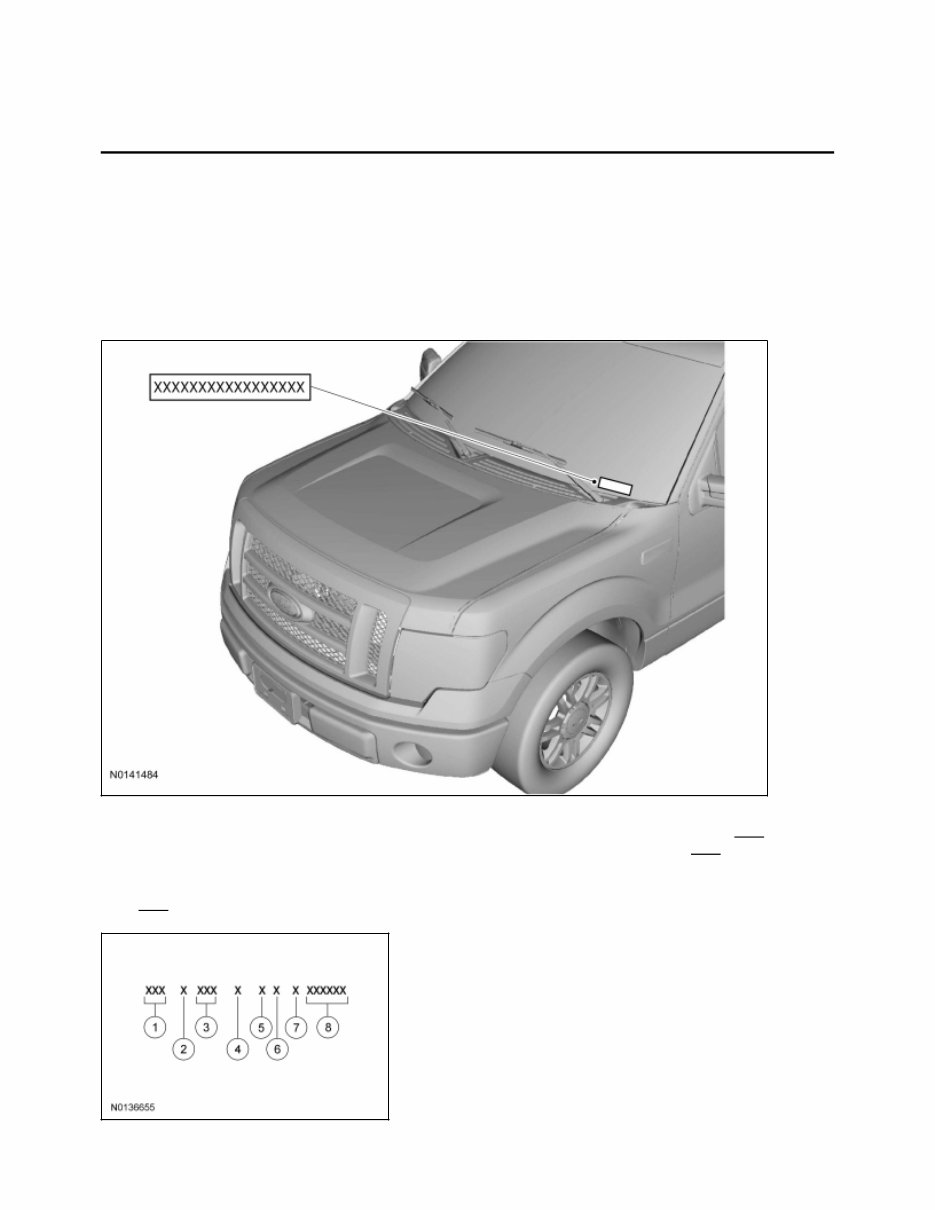
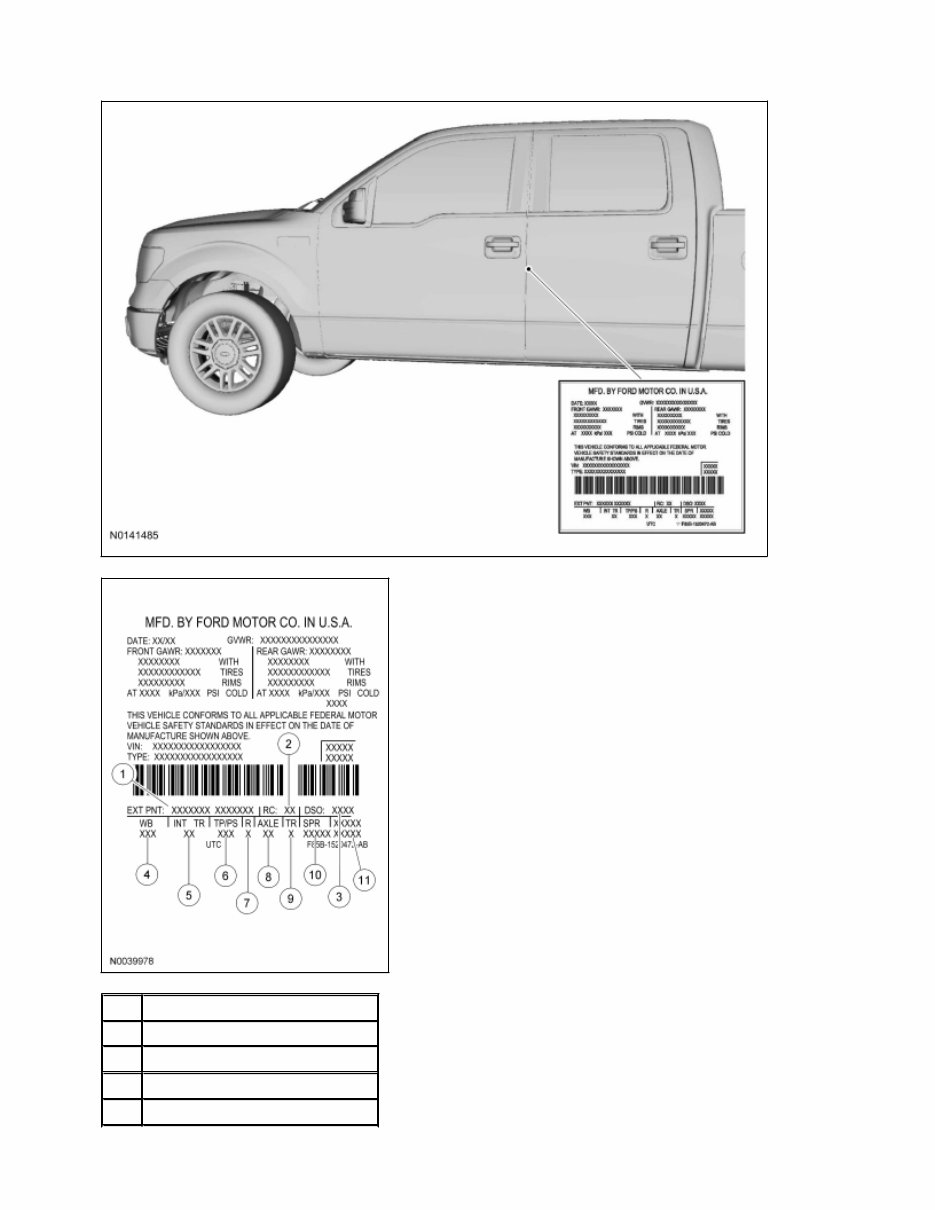
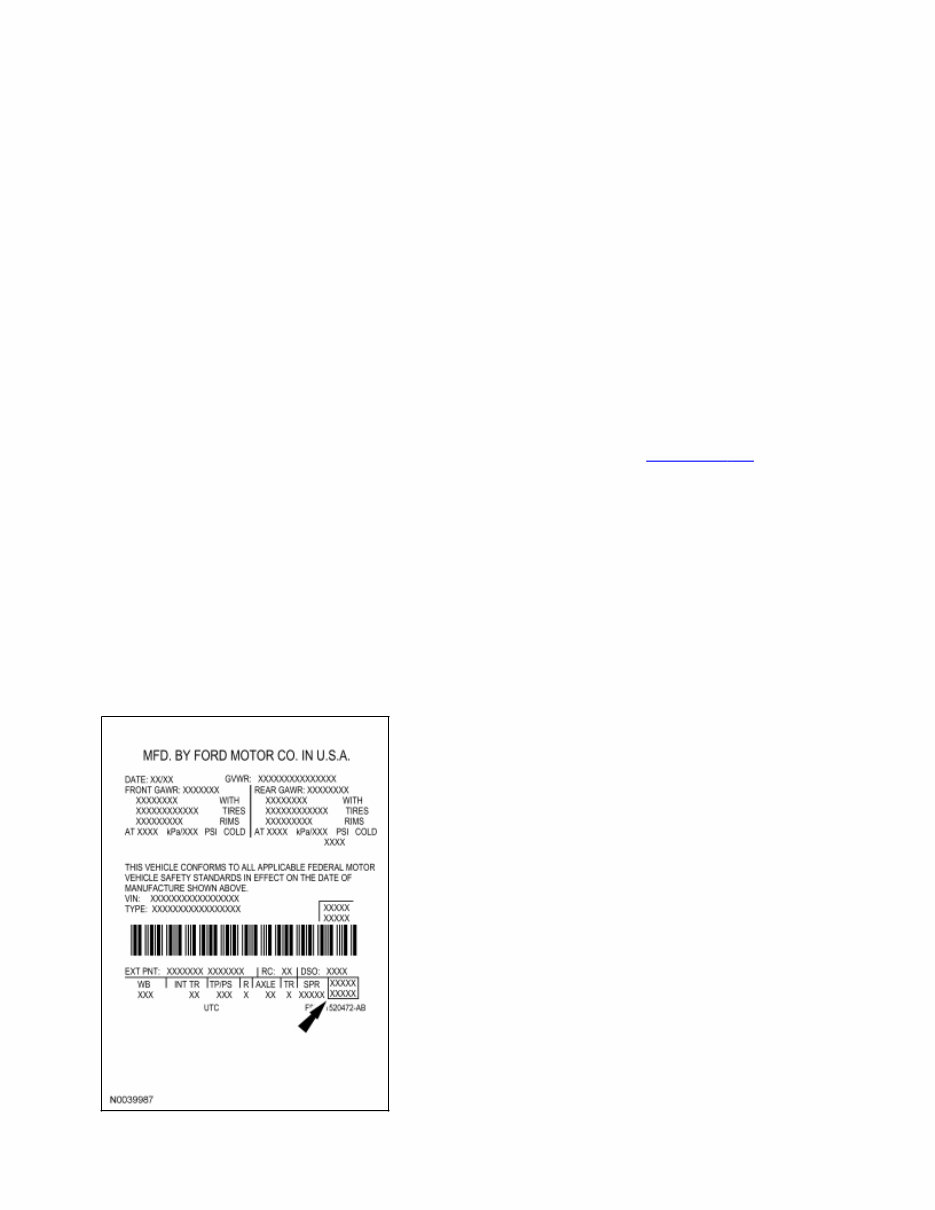
Foundational workshop standards, VIN decoding, garage jack and hoist lift points, diagnostic link connector data, and scheduled preventative maintenance intervals. This is the section to check before any lift-supported job, since getting the jack points wrong on a full-size truck frame can cause real damage rather than just an inconvenience.
Engine Mechanical Overhaul
Internal teardown, inspection, and rebuild specifications across all four engines, covering cylinder blocks, cylinder heads, Ti-VCT valvetrain, camshaft timing chains and cassettes, crankshaft bearings, pistons, and front accessory drive belt routing. Four engines with different displacement, valve arrangement, and induction setups mean four separate sets of internal tolerances, and this section keeps each engine's rebuild data distinct rather than lumping them into one generalized procedure.
Twin-Turbocharger & Fuel Charging Systems
Diagnostic and overhaul procedures for the 3.5L EcoBoost's twin turbochargers, wastegate actuators, and intercoolers, along with the high-pressure direct-injection fuel pump and rail system and the port injection systems used on the 3.7L, 5.0L, and 6.2L. A turbo-related complaint on the EcoBoost often traces back to boost control or injector performance rather than the turbocharger itself, and this section is built to help you find the actual cause instead of replacing the turbo by default.
Ignition, Starting & Electronic Engine Controls
Diagnostic workflows for the Powertrain Control Module, electronic sensor calibration, coil-on-plug ignition testing, starter motor testing, and starting circuit troubleshooting specific to each engine displacement. Given how much these engines rely on sensor accuracy for proper operation, a driveability complaint frequently comes down to a calibration or sensor fault rather than a mechanical issue, and this section is organized to help you trace it that way.
Engine Cooling, Exhaust & Evaporative Emissions
High-capacity radiator maintenance, water pump service, thermostat testing, electric cooling fan assembly diagnostics, exhaust manifold service, catalytic converter testing, and EVAP purge circuit diagnostics. The turbocharged EcoBoost runs hotter under load than the naturally aspirated engines in this lineup, so cooling system performance carries more weight on that engine specifically, and this section accounts for that added demand.
6R80 6-Speed Automatic Transmission
Bench overhaul procedures, torque converter diagnostics, clutch pack clearances, valve body and molded lead frame service, transmission fluid cooling line service, and external electronic shift control diagnostics for the 6R80 automatic. Shift quality complaints on this transmission are often solenoid or valve body related rather than a sign of internal mechanical failure, and this section is built to help you isolate that before committing to a full rebuild.
Four-Wheel Drive & Transfer Case
Repair paths and diagnostic flows for the electronic shift-on-the-fly and all-wheel-drive transfer cases, front drive axles, vacuum-operated Integrated Wheel End actuators, and 4WD control modules. A failing vacuum-operated IWE is a well-known cause of a grinding or clicking noise on 4x4 trucks from this era, and this section gives you an actual diagnostic path for it rather than guessing between the hubs and the transfer case.
Driveline, Propeller Shafts & Differential Axles
Inspection and overhaul data for one-piece and two-piece driveshafts with center support bearings, universal joints, slip yokes, the Ford 8.8-inch and 9.75-inch rear axle differential carriers, ring and pinion gear lash adjustment, and wheel bearing service. Knowing which rear axle is fitted to your specific truck matters here, since the 8.8-inch and 9.75-inch units carry different service specifications, and this section covers both separately.
Suspension & Steering Systems
Technical specifications for the front double-wishbone independent suspension, coil-over shocks, rear multi-leaf spring packs, stabilizer bars, and the Electric Power Assisted Steering rack-and-pinion gearbox. Electric power steering fails differently than a hydraulic system, often triggering a warning light rather than a gradual loss of assist, and this section is written around diagnosing that electronic behavior specifically.
Hydraulic Service Brakes & AdvanceTrac Stability
Component servicing for the front and rear hydraulic disc brake calipers, ventilated rotors, master cylinder, vacuum brake booster, parking brake cables, and the ABS and AdvanceTrac traction control modulators. Brake feel on this truck depends on the ABS and AdvanceTrac systems working correctly alongside the hydraulic components, and this section treats them as one interconnected system rather than separate repair jobs.
Climate Control System
Troubleshooting for both manual and dual-zone electronic automatic temperature control systems, cabin blower motor service, blend door actuator diagnostics, AC compressor service, condenser line inspection, and evaporator core service.
Electrical Distribution, Battery & Charging
High-output alternator testing, smart battery monitoring sensor diagnostics, master battery junction box reference, and central fuse and relay panel layout. Useful for confirming charging system performance or tracking down a blown fuse without pulling the whole electrical distribution system apart to find the problem.
Instrumentation, Lighting & Audio Systems
Troubleshooting procedures for the instrument cluster gauges, message center display, exterior headlamps, tail lamps, turn signals, and the factory audio and entertainment unit.
Electronic Feature Group & Active Safety
Diagnostic procedures for the parking aid sensors, rear-view camera system, remote keyless entry, tire pressure monitoring system, and the factory integrated trailer brake controller. Trailer-related electronics matter as much as engine performance for a lot of F-150 owners, and this section is written to give the trailer brake controller the same diagnostic depth as any other electronic system on the truck.
Body Structure, Cab Mounting & Paint
Heavy-duty hydroformed steel frame rail dimensions, cab-to-frame mounting isolators, truck bed alignment, door latches, power window regulator service, and factory sheet metal and paint refinishing standards. Frame and cab mount condition matters more on a truck used for actual towing or hauling, and this section is focused on keeping that structure within factory alignment tolerances.
Why This Manual Fits the 2009-2014 Ford F-150
Four distinct engines, including Ford's first EcoBoost application in this truck, mean the twelfth-generation F-150 isn't a single-engine repair job, and this manual doesn't treat it that way. Whichever engine or drivetrain configuration you're working on, the specs and procedures here are matched to that specific hardware.
Format & Compatibility
Delivered as a searchable PDF you can download immediately after purchase. Works on Windows, macOS, iOS, and Android, so it's easy to reference from a laptop in the garage, a tablet on a cart, or a phone if you're under the truck and need to double check a spec.
Download the 2009-2014 Ford F-150 Repair Manual Now
Whether you're replacing a turbocharger, rebuilding the 6R80 transmission, or diagnosing a 4WD hub issue, this manual has the OEM procedures and specifications to work on your F-150.


