2004 TRANSMISSION Four-Wheel Drive Systems - Expedition And Navigator DESCRIPTION AND OPERATION FOUR-WHEEL DRIVE SYSTEMS The automatic 4-wheel drive transfer case system consists of the following: Automatic 4WD indicator light Brake pedal position (BPP) switch Integrated wheel ends (IWE) solenoid Torque on demand (TOD) relay 4WD control module 4WD high indicator light 4WD low indicator light 4WD mode select switch (MSS) Shift position sensor Throttle position output (TPO) from the powertrain control module (PCM) Transmission range sensor Average front and rear wheel speed signals from the anti-lock brake system DIAGNOSIS AND TESTING FOUR-WHEEL DRIVE SYSTEMS Refer to SYSTEM WIRING DIAGRAMS (Navigator) or SYSTEM WIRING DIAGRAMS (Expedition) for schematic and connector information. 2004 Lincoln Navigator 2004 TRANSMISSION Four-Wheel Drive Systems - Expedition And Navigator 2004 Lincoln Navigator 2004 TRANSMISSION Four-Wheel Drive Systems - Expedition And Navigator
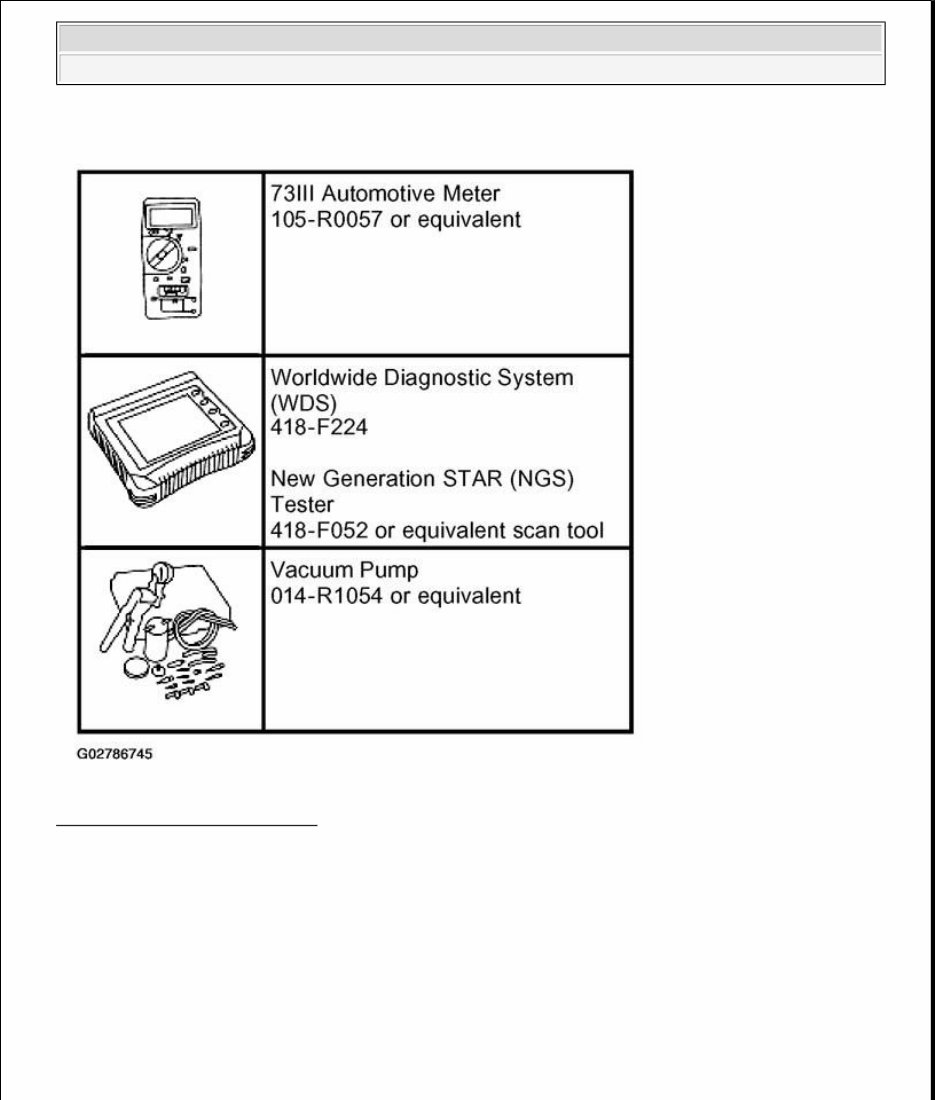
Fig. 1: Identifying Special Tool(s) Courtesy of FORD MOTOR CO. Principles of Operation 2004 Lincoln Navigator 2004 TRANSMISSION Four-Wheel Drive Systems - Expedition And Navigator
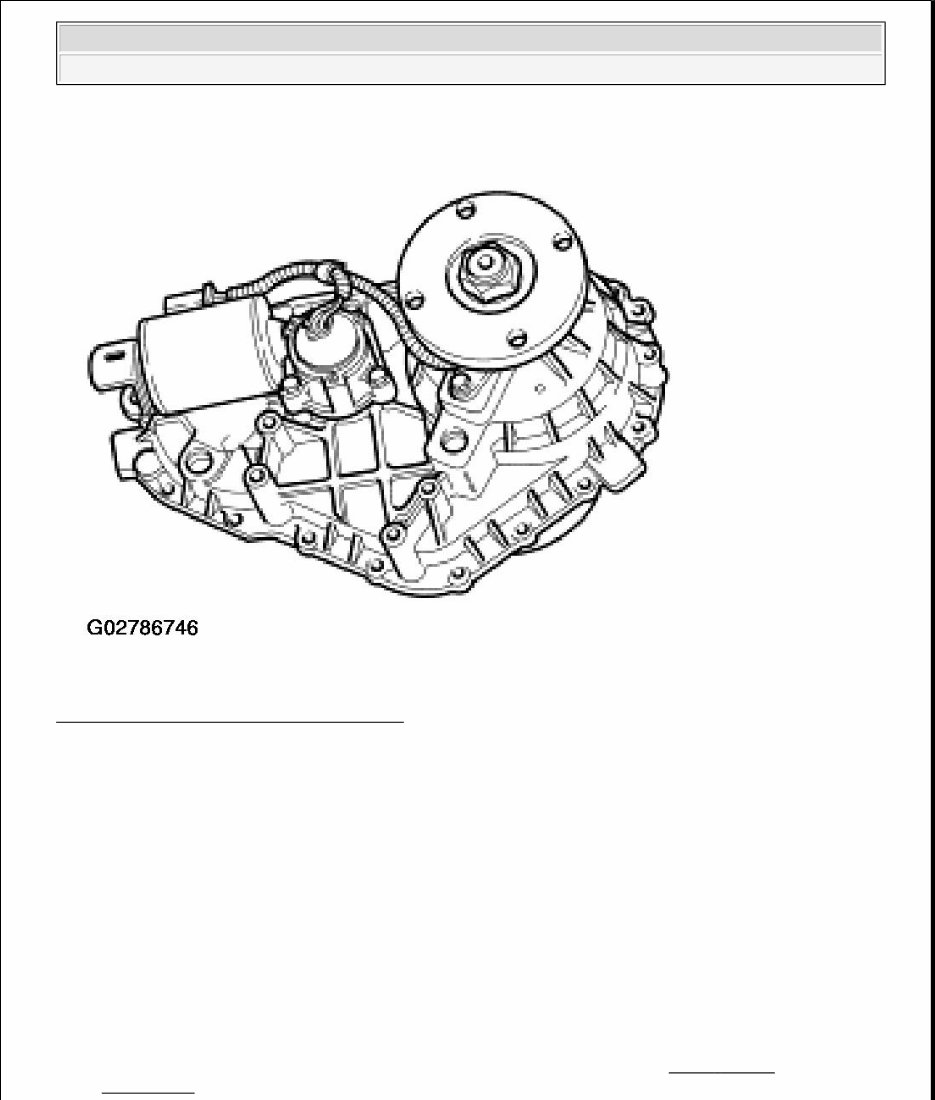
Fig. 2: Identifying Four Wheel Drive System Courtesy of FORD MOTOR CO. The automatic four-wheel drive (A4WD) system is an electronic-shift 4WD system that allows the operator to choose between 2WD and three different 4WD modes. The operator can switch between A4WD and 4WD HIGH modes at any speed. To engage or disengage 4WD LOW range, the vehicle speed must be less than 5 km/h (3.1 mph), the brake pedal must be pressed and the transmission must be in NEUTRAL. Wheel slip is sensed using one axle shaft speed sensor on each axle. Based on throttle position and wheel slip, a pulse width modulated (PWM) signal is transmitted to the transfer case clutch when a predetermined slip- threshold is exceeded. The 4WD control module will provide the IVD brake system with current clutch duty cycle and whether or not IVD may command the clutch duty cycle. The brake subsystem sends the following information signals to the 4WD system: Occurrences of brake events and failures (for additional information, refer to ANTI - LOCK CONTROL ). 2004 Lincoln Navigator 2004 TRANSMISSION Four-Wheel Drive Systems - Expedition And Navigator
Steering wheel angle status (for additional information, refer to ANTI - LOCK CONTROL ). Average rear wheel speed (for additional information, refer to ANTI - LOCK CONTROL ). Average front wheel speed (for additional information, refer to ANTI - LOCK CONTROL ). Delta front wheel speeds (for additional information, refer to ANTI - LOCK CONTROL ). A concern with any of the above listed brake system signals will affect operation of the 4WD system. The throttle position output signal is provided to the 4WD control module from the powertrain control module (PCM). This signal is used by the 4WD control module in controlling the 4WD clutch. The shift motor sense plate, an integral part of the gear motor encoder assembly, informs the 4WD control module of the transfer case position. The digital transmission range (TR) sensor is located on the LH side of the transmission. This sensor informs the 4WD control module when the transmission is in NEUTRAL. The electric shift motor is mounted externally to the gear motor encoder assembly at the rear of the transfer case. It drives a rotary cam which moves the mode fork and range fork within the transfer case between the HIGH range (A4WD, 4WD HIGH) and 4WD LOW range positions. The 4WD shift motor is controlled by the 4WD control module which shifts the transfer case shift motor between HIGH range (A4WD, 4WD HIGH), and 4WD LOW modes. The solid-state clutch is duty-cycled by the 4WD control module to activate the 4WD clutch within the transfer case. In the A4WD system, the 4WD control module varies the torque sent to the front driveline by controlling the transfer case clutch. At rest and under cruising conditions, the 4WD control module activates the transfer case clutch a minimum duty cycle (percentage of time the clutch is turned on), which allows for the slight difference between the front and rear driveshafts which normally occurs when negotiating a corner on dry pavement. Under any of the following conditions, the 4WD control module will increase the duty cycle in order to prevent or control slip: Slip is detected Heavy acceleration (throttle position) Feature inputs: Brake ON/OFF switch Mode select switch (MSS) Digital TR sensor (automatic transmission only) Vehicle speed signal (transmitted from the ABS module) Front and rear driveshaft speed sensors Throttle position information (transmitted from the PCM) 2004 Lincoln Navigator 2004 TRANSMISSION Four-Wheel Drive Systems - Expedition And Navigator
Gear motor encoder contact plate position inputs A, B, C, D Feature outputs: Solid state clutch (pulse width modulated signal) 4WD LOW indicator 4WD shift motor outputs Shifts between A4WD and 4WD HIGH can be made at any speed. Listed below are the inputs and outputs needed by the 4WD control module to execute a change between any of these modes. Feature inputs: Front and rear driveshaft speed sensors Vehicle speed signal Throttle position information 4WD Mode Select Switch (MSS) Feature outputs: Solid state clutch (pulse width modulated signal) 4WD HIGH switch indicator When shifting into or out of LOW range, the 4WD control module requires that the vehicle speed is less than 5 km/h (3 mph), the brake is applied, and the transmission is in NEUTRAL. Feature inputs: Throttle position information (transmitted from PCM) MSS Gear motor encoder contact plate position inputs A, B, C, D Vehicle speed signal (transmitted from ABS module) Brake ON/OFF (BOO) switch input (battery voltage when brake pedal is depressed, open circuit when not activated) Digital TR sensor (ground when transmission is in NEUTRAL, open circuit otherwise) Feature outputs: 4WD shift motor outputs 4WD LOW switch indicator Solid state clutch (pulse width modulated signal) Inspection and Verification 2004 Lincoln Navigator 2004 TRANSMISSION Four-Wheel Drive Systems - Expedition And Navigator
This 2003-2006 Ford Expedition Service & Repair Manual delivers comprehensive factory procedures for servicing Ford’s full-size SUV. Covering all major mechanical, electrical, and drivetrain systems, it’s the same information used by dealership technicians—perfect for professional repair or DIY maintenance.
From the robust 5.4L Triton V8 engine to the electronic four-wheel drive system and multimedia features, this manual offers in-depth diagnostics, step-by-step repair instructions, torque specs, and component testing guidelines to keep your Expedition running strong.
Content Overview:
Engine systems: mechanical, ignition, cooling, intake, exhaust, and drive belts
Transmission service including removal, overhaul, control systems, and transfer case
Drivetrain coverage for axles (8.8" and 9.75"), driveshafts, and 4WD systems
Fuel system service including tank, injection system, charging, and EVAP
Suspension repair for both 2WD and 4WD models, front and rear
Steering system diagnostics, column service, and power steering repair
Brake system including disc, drum, ABS, and hydraulic system diagnostics
Climate control systems: AC, heating, auxiliary HVAC, and control modules
Full vehicle electrical diagnostics: wiring, fuse diagrams, and EEC systems
Interior and exterior components including seats, mirrors, windows, and trim
Multimedia: audio, navigation, video, and rear entertainment servicing
Cruise control, pinpoint diagnostics, maintenance reminders, and test tools
Whether you're replacing a transfer case, chasing down an HVAC fault, or just maintaining the suspension, this manual puts Ford’s complete factory guidance at your fingertips—accurate, thorough, and ready for any job.
Printable: Yes Language: English Compatibility: Windows, macOS, Linux Requirements: PDF reader software





 Lifetime Access