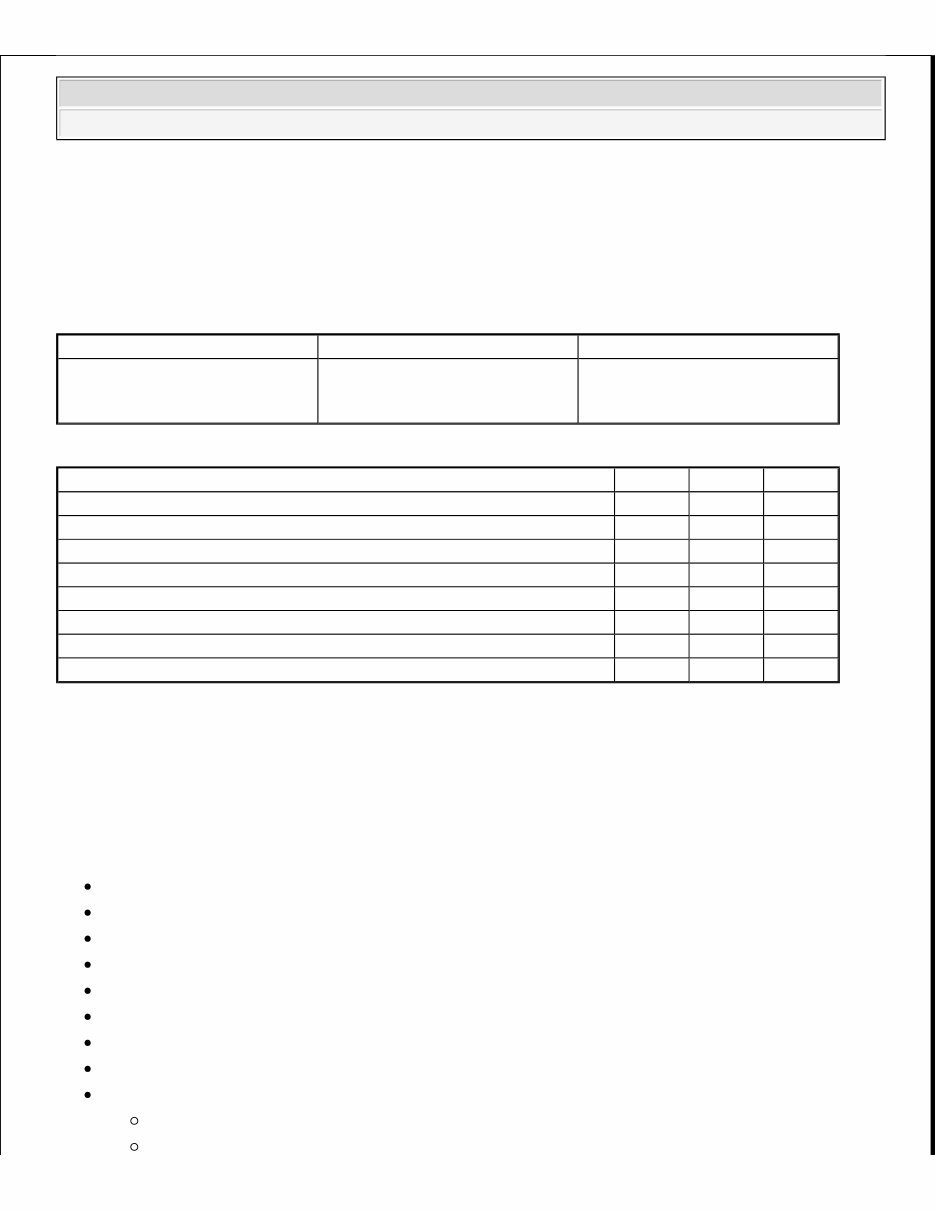
2008 BRAKES Vehicle Dynamic Systems - Edge & MKX SPECIFICATIONS MATERIAL SPECIFICATIONS TORQUE SPECIFICATIONS DESCRIPTION AND OPERATION ANTI-LOCK CONTROL ABS With Roll Stability Control (RSC) And Traction Control The ABS with roll stability control (RSC) and traction control consists of the following components: Hydraulic control unit (HCU) ABS module (also controls the RSC system and traction control system) Stability/traction control switch Steering angle sensor module (SASM) Stability control sensor cluster (contains the accelerometer[s], roll rate sensor and yaw rate sensor) Front wheel speed sensors Front wheel speed sensor tone rings (integral to the halfshafts) Rear wheel speed sensors Rear wheel speed sensor tone rings are: integral to the halfshaft on all wheel drive [AWD] vehicles. integral to the wheel hub and bearing assembly on front wheel drive [FWD] vehicles. Item Specification Fill Capacity High Performance DOT 3 Motor Vehicle Brake Fluid PM-1-C (US); CPM-1-C (Canada) WSS-M6C62-A or WSS-M6C65- A1 803-821 ml (1.69-1.73 pt) Description Nm lb-ft lb-in ABS module screws 5 - 44 Brake caliper brake tube-to-hydraulic control unit (HCU) fittings 22 16 - HCU bracket-to-frame bolts 25 18 - HCU bracket-to-HCU bolt 15 11 - Master cylinder brake tube-to-HCU fittings 27 20 - Stability control sensor cluster nuts 9 - 80 Steering wheel rotation sensor bolts 1 - 9 Wheel speed sensor bolts 7 - 62 2008 Ford Edge SE 2008 BRAKES Vehicle Dynamic Systems - Edge & MKX 2008 Ford Edge SE 2008 BRAKES Vehicle Dynamic Systems - Edge & MKX
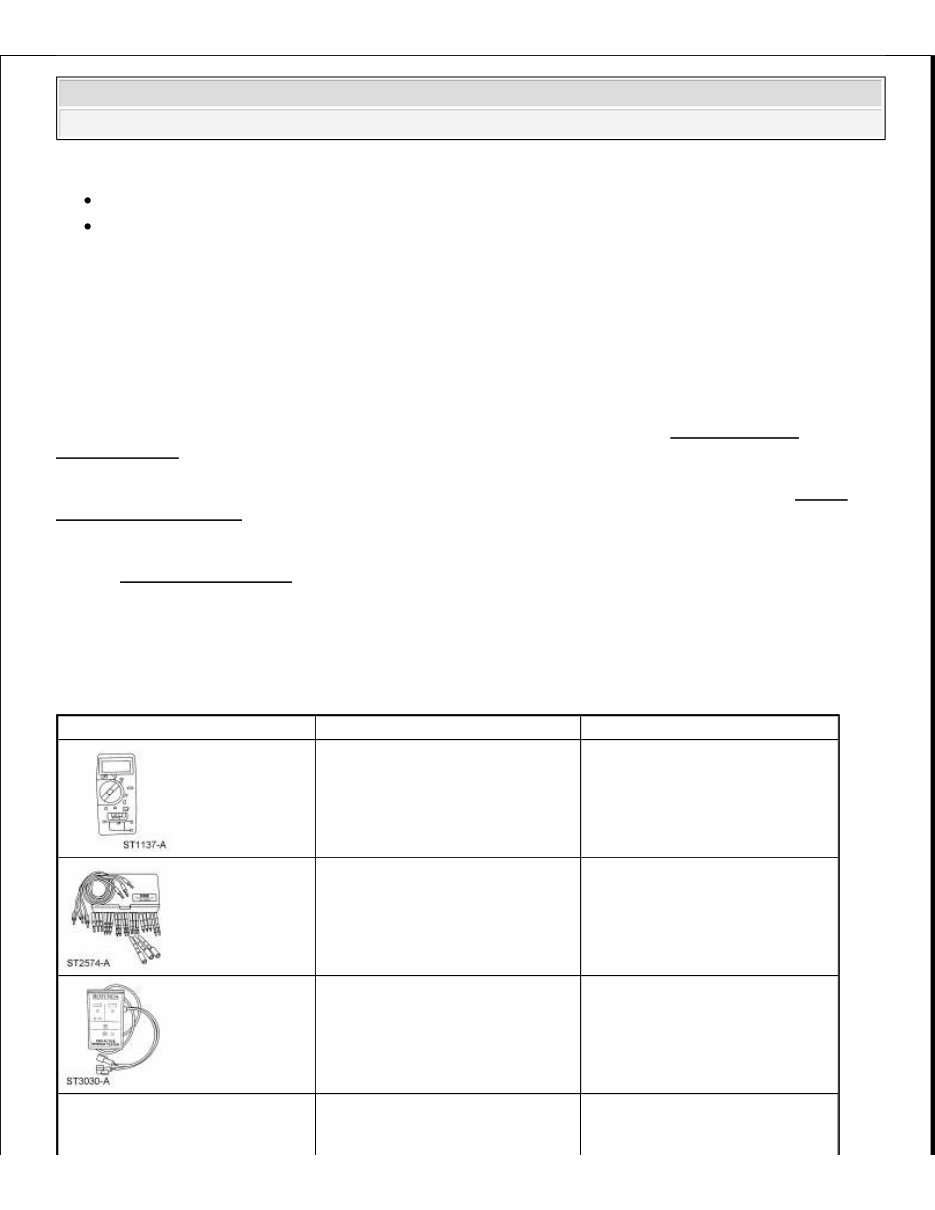
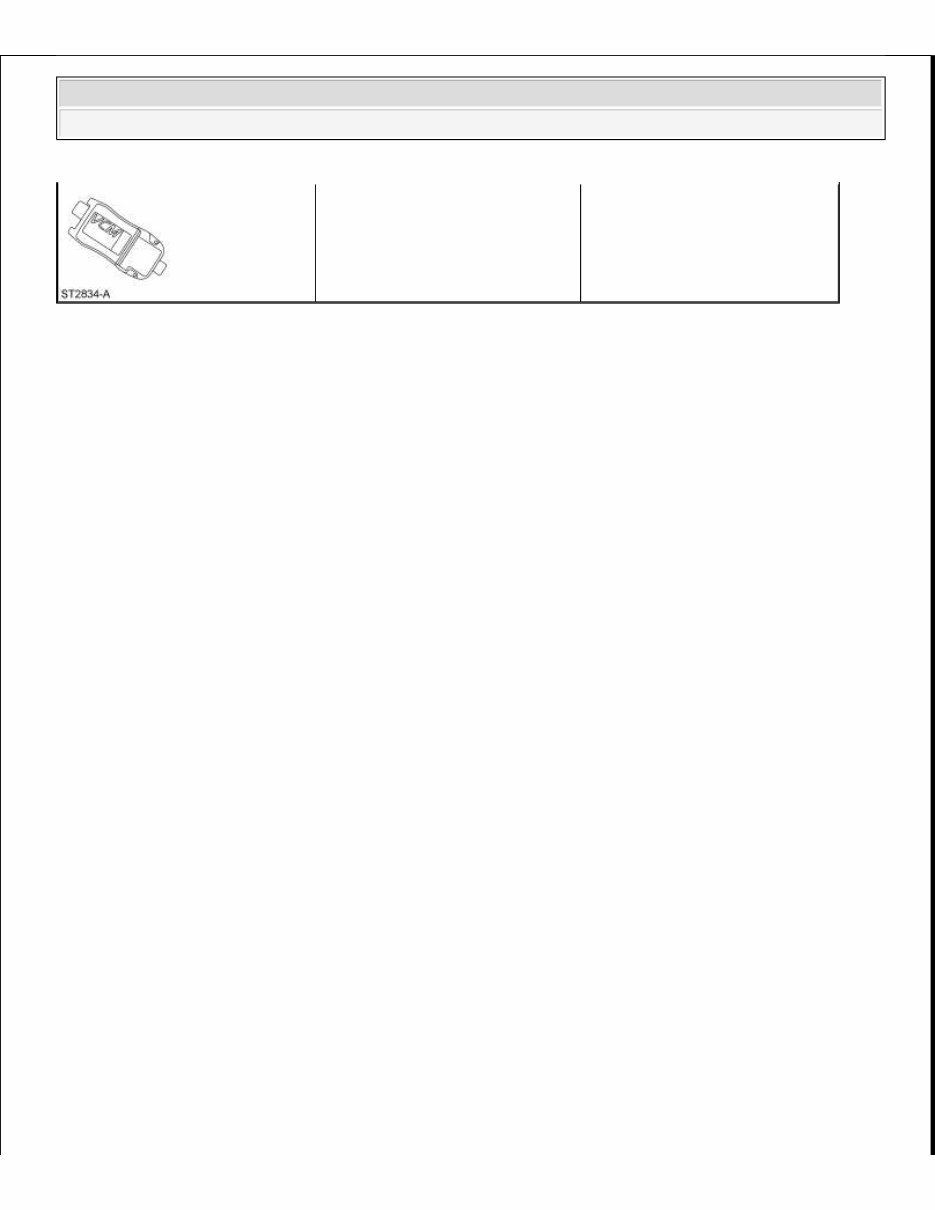
Brake pressure transducer (integral to the HCU) Brake fluid level switch The ABS prevents wheel lock-up by monitoring the wheel speed sensors and actuating the valves in the HCU which modulates the brake pressure to the brake calipers. By preventing the wheels from locking up, the driver is able to maintain steering control and stop in the shortest possible distance under most conditions. The traction control system utilizes the same components as the ABS to prevent wheel spin and help maintain vehicle control during acceleration. The RSC system utilizes the same components as the ABS and the traction control systems and also monitors the steering wheel rotation sensor and the stability control sensor cluster to assist in stabilizing the vehicle during abrupt maneuvers. The front wheel speed sensor tone rings are integral to the front halfshafts. Refer to FRONT DRIVE HALFSHAFTS article. On AWD vehicles, the rear wheel speed sensor tone rings are integral to the rear halfshafts. Refer to REAR DRIVE HALFSHAFTS article. On FWD vehicles, the rear wheel speed sensor tone rings are integral to the wheel hub and bearing assembly. Refer to REAR SUSPENSION article. DIAGNOSTIC TESTS ANTI-LOCK CONTROL Special Tools Illustration Tool Name Tool Number 73III Automotive Meter 105-R0057 or equivalent Flex Probe Kit 105-R025B or equivalent Rotunda Active Wheel Speed Sensor Tester 105-R0110 Vehicle Communication Module (VCM) and Integrated Diagnostic 2008 Ford Edge SE 2008 BRAKES Vehicle Dynamic Systems - Edge & MKX
Principles of Operation Standard ABS The standard ABS module manages anti-lock braking to maintain vehicle control during deceleration. When the ignition switch is in the RUN position, the ABS module does a preliminary electrical check and, at approximately 20 km/h (12 mph), the hydraulic pump motor is turned on for approximately 1/2 second. During this time a buzzing or humming noise may be heard and a vibration maybe felt in the brake pedal. This is a normal condition. Any malfunction of the ABS disables the stability assist and the ABS warning indicator illuminates. However, the power-assist braking system functions normally. The ABS module monitors and compares the rotational speed of each wheel. Wheel speeds are measured by the wheel speed sensor, which electrically senses each tooth of the sensor ring as it passes through the magnetic field of the sensor. When the ABS module detects an impending wheel lock, the ABS module commands the hydraulic pump motor on and commands the hydraulic control unit (HCU) to open and close the appropriate solenoid valves to modulate the brake pressure to the individual brake caliper(s). Once the affected wheel(s) return to the desired speed, the ABS module commands the HCU to return the solenoid valves to their normal position and normal base brake operation is restored. In extreme cold conditions (temperature less than -25°C [-13°F]), the ABS module will briefly operate the hydraulic pump motor when the accelerator is pressed. This is done to warm the brake fluid. Electronic Brake Distribution (EBD) On initial application of the brake pedal, full pressure is applied to the rear brakes. The ABS module then uses wheel speed input to calculate an estimated rate of deceleration. Once vehicle deceleration exceeds a predetermined threshold, the ABS module closes the appropriate isolation valves in the Hydraulic Control Unit (HCU) to hold the rear brake pressure constant while allowing the front brake pressure to build. This creates a balanced braking condition between the front and rear wheels and minimizes the chance of rear wheel lockup during hard braking. As the vehicle decelerates, the valves are opened to increase the rear brake pressure in proportion to the front brake pressure. A slight bump sensation may be felt in the brake pedal when Electronic Brake Distribution (EBD) is active. If ABS is disabled due to DTCs being present in the ABS module, EBD will continue to function unless the DTCs are for wheel speed sensors or the HCU. When EBD is disabled, the ABS warning indicator and (if equipped) the Electronic Stability Control (ESC) warning indicator will be illuminated. ABS with Traction Control, Electronic Stability Control (ESC) and Roll Stability Control (RSC) System (IDS) software with appropriate hardware, or equivalent scan tool 2008 Ford Edge SE 2008 BRAKES Vehicle Dynamic Systems - Edge & MKX
The ABS module with traction control and roll stability control (RSC) performs the same functions as the standard ABS module. It also performs additional functions specific to traction control and RSC. Traction Control When the drive wheels lose traction and begin to spin, with vehicle speed under 100 km/h (62 mph), the ABS module commands the hydraulic pump motor on and commands the HCU to open and close the appropriate solenoid valves to modulate the brake pressure to the brake caliper(s) while simultaneously sending a request to the PCM over the high-speed controller area network (HS-CAN) bus to reduce engine torque to maintain vehicle traction. The PCM accomplishes this by minor incremental timing changes and fewer fuel injector pulses until the ABS module ends the request. The request ends when the driven wheel speed returns to the desired speed. After the vehicle speed exceeds 100 km/h (62 mph), the traction control is accomplished only through the PCM torque control. Electronic Stability Control (ESC) The electronic stability control (ESC) system constantly monitors the vehicle motion relative to the intended course. This is done by using sensors to compare the steering input and the yaw rate sensor with that of the actual vehicle motion. The ESC system monitors information from the throttle position (TP) sensor, the steering angle sensor module (SASM) (steering wheel angle and rate of change) and a yaw rate sensor (integral to the stability control sensor cluster) that measures changes in vehicle direction. If the ESC system determines from all these inputs that the vehicle is unable to travel in the intended direction, the system adjusts the brake torque at specific wheels in response to direct measurement of the vehicle motion and reduces engine torque to allow the vehicle to follow the intended course. When the ESC system activates, any of the following can occur: A rumble or grinding sound much like ABS or traction control A small deceleration or a reduction in the acceleration of the vehicle The ESC indicator flashes If the driver's foot is on the brake pedal, a vibration will be felt in the pedal much like ABS Roll Stability Control (RSC) The roll stability control (RSC) system constantly monitors the vehicle motion relative to the intended course. This is done by using sensors to compare the steering input and brake application with that of the actual vehicle motion. The system does not activate when the vehicle is traveling in reverse; however, the standard ABS and traction control continue to function as usual. The RSC system monitors information from the wheel speed sensors, the TP sensor, the steering angle sensor module (SASM) (steering wheel angle and rate of change) and a roll-rate sensor (integral to the stability control sensor cluster) that measures changes in vehicle motion. If the RSC system determines from all these inputs that conditions exist for a potential roll-over event, the system adjusts the brake torque at specific wheels in response to direct measurement of the vehicle roll motion and reduces engine torque to make the vehicle more stable. By adjusting brake torque, the system can reduce the cornering forces and, therefore, the total roll moment acting on the vehicle. When the RSC system activates, any of the following can occur: 2008 Ford Edge SE 2008 BRAKES Vehicle Dynamic Systems - Edge & MKX
A rumble or grinding sound much like ABS or traction control A small deceleration or a reduction in the acceleration of the vehicle The RSC indicator flashes If the driver's foot is on the brake pedal, a vibration will be felt in the pedal much like ABS If the event is severe enough and the driver's foot is not on the brake, the brake pedal will move to apply higher brake forces. A whooshing sound can also be heard from under the instrument panel in an event this severe Some drivers may notice a slight movement of the brake pedal when the system checks itself. The brake pedal moves when an active test of the brake booster is run. During this test a small amount of pressure is generated at the master cylinder, but no pressure is generated in the brake calipers. Stability/Traction Control Switch The stability/traction control switch is hard wired to the instrument cluster module. The instrument cluster module communicates the stability/traction control switch status to the ABS module via the HS-CAN bus. The stability/traction control switch allows the driver to control use of the stability control/traction assist system. This is independent of the ABS function, which cannot be switched OFF by the driver. The stability control/traction assist system status is indicated by a light in the stability/traction control switch. When the stability/traction control switch is set to OFF, the system is disabled below 60 km/h (37 mph). The system will automatically restore to full functionality every time the vehicle speed exceeds 70 km/h (43 mph) or when the ignition switch is turned to the OFF position and back to the ON position. However, the stability/traction control switch OFF indicator remains illuminated until the switch is pressed. The ABS function continues to work as designed unless the yellow ABS warning indicator is also illuminated. Normal braking function always occurs, unless the red brake warning indicator is illuminated. Stability Control Sensor Cluster The stability control sensor cluster consists of the yaw rate sensor, roll-rate sensor, lateral accelerometer and longitudinal accelerometer. The lateral accelerometer measures the acceleration which corresponds to the force involved when the vehicle slides sideways. This acceleration has 2 forms. The first is the centrifugal acceleration which is generated when the vehicle travels around in a circle. The second is the acceleration due to gravity. On level ground there is no contribution from this acceleration. However, if the vehicle is parked sideways on a bank or incline, the sensor measures some lateral acceleration due to gravity even though the vehicle is not moving. The longitudinal accelerometer measures the acceleration corresponding to the force involved when the vehicle moves forward and rearward in the horizontal plane, along the centerline of the front and rear wheels. The yaw rate sensor measures the relative vehicle motion about the vertical axis through its center of gravity. The roll-rate sensor measures the rate of rotation along the front to rear horizontal axis. Steering Angle Sensor Module (SASM) 2008 Ford Edge SE 2008 BRAKES Vehicle Dynamic Systems - Edge & MKX
The 2008-2009 Ford Edge Service & Repair Manual is a comprehensive guide that provides detailed information on servicing and repairing the 2008-2009 Ford Edge. This manual is an essential tool for owners and mechanics alike, offering step-by-step instructions and illustrations to ensure the proper maintenance and repair of the vehicle.
Key features of the 2008-2009 Ford Edge Service & Repair Manual include:
Complete coverage of all models of the 2008-2009 Ford Edge.
Easy-to-follow instructions for routine maintenance tasks such as oil changes, tire rotations, and brake inspections.
In-depth guidance on more advanced repairs and troubleshooting, including engine diagnostics, electrical systems, and transmission repair.
Clear diagrams and illustrations that provide visual references for each step of the repair process.
Detailed specifications and technical information, including torque settings and fluid capacities, to ensure accuracy and precision.
Convenient and user-friendly layout, with a table of contents and index for quick and easy navigation.
Whether you are a seasoned mechanic or a Ford Edge owner looking to save on maintenance costs, the 2008-2009 Ford Edge Service & Repair Manual is a valuable resource to have in your toolkit. With its comprehensive coverage and easy-to-understand instructions, this manual will help you keep your Ford Edge running smoothly for years to come.




 Lifetime Access