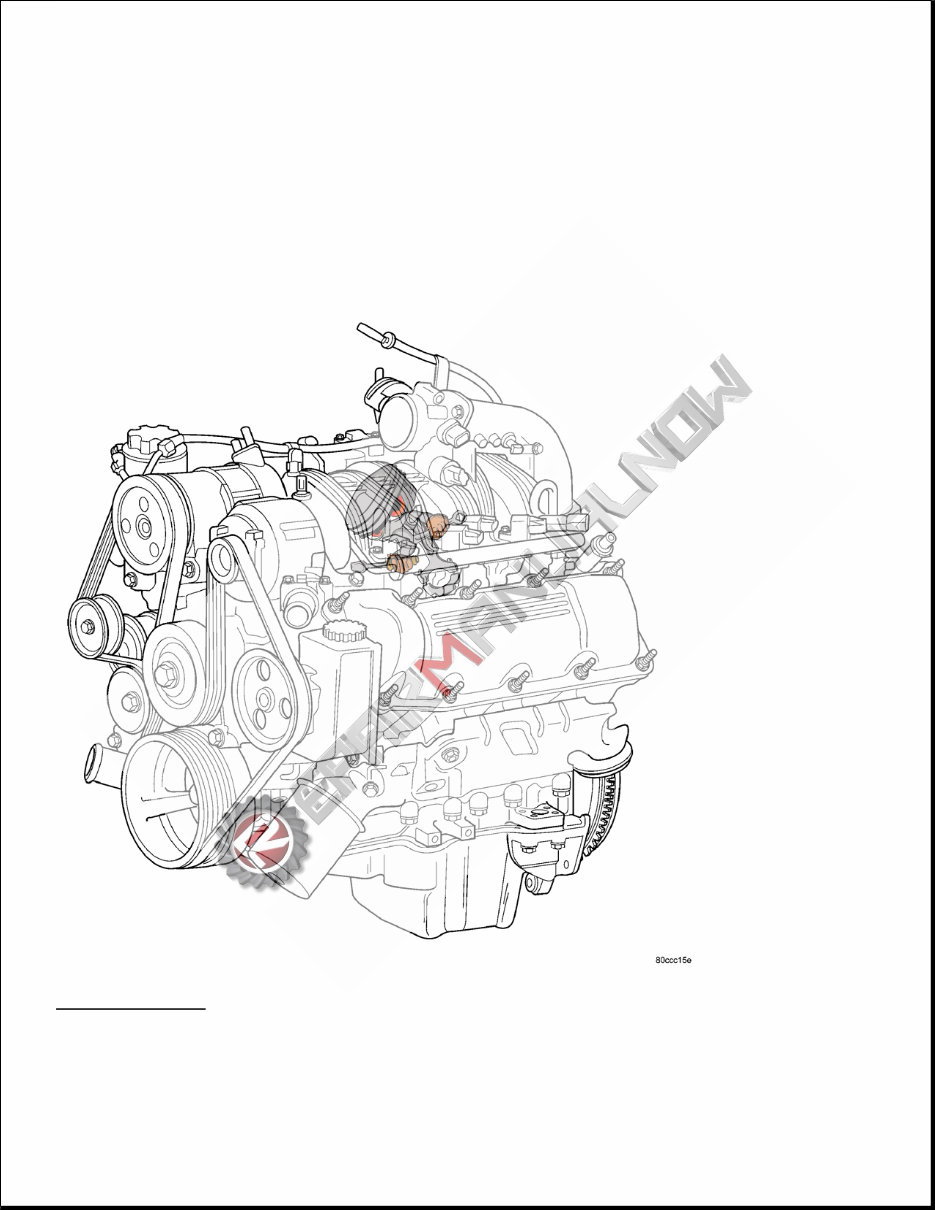
ENGINE 3.7L - Service Information - Nitro DESCRIPTION 3.7L ENGINE DESCRIPTION Fig. 1: 3.7L Engine Courtesy of CHRYSLER LLC The 3.7 liter (226 CID) six-cylinder engine is an 90° single overhead camshaft engine. The cast iron cylinder block is made up of two different components; the first component is the cylinder bore and upper block, the second component is the bedplate that comprises the lower portion of the cylinder block and houses the lower
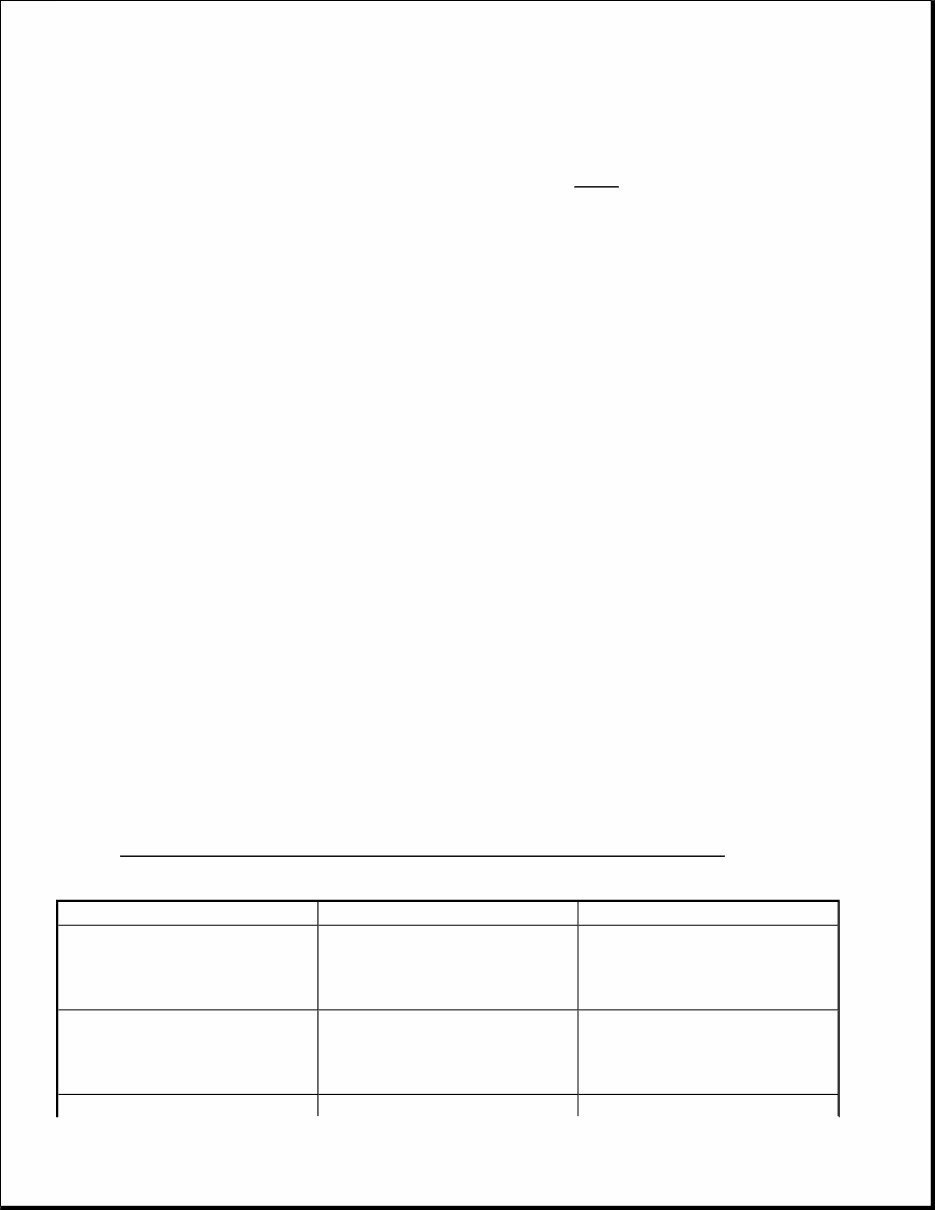
half of the crankshaft main bearings. The cylinders are numbered from front to rear with the left bank being numbered 1,3, and 5 and the right bank being numbered 2,4, and 6. The firing order is 1-6-5-4-3-2. The engine serial number is located at the right front side of the engine block. See Fig. 1 . DIAGNOSIS AND TESTING CYLINDER COMBUSTION PRESSURE LEAKAGE The combustion pressure leakage test provides an accurate means for determining engine condition. Combustion pressure leakage testing will detect: Exhaust and intake valve leaks (improper seating). Leaks between adjacent cylinders or into water jacket. Any causes for combustion/compression pressure loss. 1. Check the coolant level and fill as required. DO NOT install the radiator cap. 2. Start and operate the engine until it attains normal operating temperature, then turn the engine OFF. 3. Remove the spark plugs. 4. Remove the oil filler cap. 5. Remove the air cleaner. 6. Calibrate the tester according to the manufacturer's instructions. The shop air source for testing should maintain 483 kPa (70 psi) minimum, 1,379 kPa (200 psi) maximum and 552 kPa (80 psi) recommended. 7. Perform the test procedures on each cylinder according to the tester manufacturer's instructions. Set piston of cylinder to be tested at TDC compression. While testing, listen for pressurized air escaping through the throttle body, tailpipe and oil filler cap opening. Check for bubbles in the radiator coolant. All gauge pressure indications should be equal, with no more than 25% leakage. FOR EXAMPLE: At 552 kPa (80 psi) input pressure, a minimum of 414 kPa (60 psi) should be maintained in the cylinder. Refer to CYLINDER COMBUSTION PRESSURE LEAKAGE DIAGNOSIS CHART . CYLINDER COMBUSTION PRESSURE LEAKAGE DIAGNOSIS CHART CONDITION POSSIBLE CAUSE CORRECTION AIR ESCAPES THROUGH THROTTLE BODY Intake valve bent, burnt, or not seated properly Inspect valve and valve seat. Reface or replace, as necessary. Inspect valve springs. Replace as necessary. AIR ESCAPES THROUGH TAILPIPE Exhaust valve bent, burnt, or not seated properly Inspect valve and valve seat. Reface or replace, as necessary. Inspect valve springs. Replace as necessary.
CYLINDER COMPRESSION PRESSURE The results of a cylinder compression pressure test can be utilized to diagnose several engine malfunctions. Ensure the battery is completely charged and the engine starter motor is in good operating condition. Otherwise the indicated compression pressures may not be valid for diagnosis purposes. 1. Clean the spark plug recesses with compressed air. 2. Remove the spark plugs. 3. Secure the throttle in the wide-open position. 4. Disable the fuel system (Refer to FUEL DELIVERY - GAS ). 5. Remove the ASD relay. Refer to REMOVAL . 6. Insert a compression pressure gauge and rotate the engine with the engine starter motor for three revolutions. 7. Record the compression pressure on the 3rd revolution. Continue the test for the remaining cylinders. 8. See SPECIFICATIONS for the correct engine compression pressures. ENGINE DIAGNOSIS - INTRODUCTION Engine diagnosis is helpful in determining the causes of malfunctions not detected and remedied by routine maintenance. These malfunctions may be classified as either performance (e.g, engine idles rough and stalls) or mechanical (e.g, a strange noise). See ENGINE PERFORMANCE DIAGNOSTIC TABLE and ENGINE MECHANICAL DIAGNOSTIC TABLE for possible causes and corrections of malfunctions. Refer to DIAGNOSIS AND TESTING for fuel system diagnosis. Additional tests and diagnostic procedures may be necessary for specific engine malfunctions that can not be isolated with the Service Diagnosis charts. Information concerning additional tests and diagnosis is provided within the following diagnosis: Cylinder Compression Pressure Test. See CYLINDER COMPRESSION PRESSURE . AIR ESCAPES THROUGH RADIATOR Head gasket leaking or cracked cylinder head or block Remove cylinder head and inspect. Replace defective part MORE THAN 50% LEAKAGE FROM ADJACENT CYLINDERS Head gasket leaking or crack in cylinder head or block between adjacent cylinders Remove cylinder head and inspect. Replace gasket, head, or block as necessary MORE THAN 25% LEAKAGE AND AIR ESCAPES THROUGH OIL FILLER CAP OPENING ONLY Stuck or broken piston rings; cracked piston; worn rings and/or cylinder wall Inspect for broken rings or piston. Measure ring gap and cylinder diameter, taper and out-of-round. Replace defective part as necessary
Cylinder Combustion Pressure Leakage Test. See CYLINDER COMBUSTION PRESSURE LEAKAGE . Engine Cylinder Head Gasket Failure Diagnosis. See CYLINDER HEAD GASKET (Left) or CYLINDER HEAD GASKET (Right). Intake Manifold Leakage Diagnosis. See DIAGNOSIS AND TESTING . ENGINE LUBRICATION DIAGNOSTIC TABLE CONDITION POSSIBLE CAUSES CORRECTION OIL LEAKS 1. Gaskets and O-Rings. - (a) Misaligned or damaged. (a) Replace as necessary. (b) Loose fasteners, broken or porous metal parts. (b) Tighten fasteners, Repair or replace metal parts. 2. Crankshaft rear seal 2. Replace as necessary. See REMOVAL . 3. Crankshaft seal flange. Scratched, nicked or grooved. 3. Polish or replace crankshaft. 4. Oil pan flange cracked. 4. Replace oil pan. See REMOVAL . 5. Timing chain cover seal damaged. 5. Reseal timing cover. 6. Scratched or damaged vibration damper hub. 6. Polish or replace damper. OIL PRESSURE DROP 1. Low oil level. 1. Check and correct oil level. 2. Faulty oil pressure sending unit. 2. Replace sending unit. See REMOVAL . 3. Low oil pressure. 3. Check oil pump and bearing clearance. 4. Clogged oil filter. 4. Replace oil filter. See REMOVAL . 5. Worn oil pump. 5. Replace oil pump. See REMOVAL . 6. Thin or diluted oil. 6. Change oil and filter. 7. Excessive bearing clearance. 7. Replace as necessary. 8. Oil pump relief valve stuck. 8. Replace oil pump. See REMOVAL . 9. Oil pick up tube loose, damaged or clogged. 9. Replace as necessary. OIL PUMPING AT RINGS; SPARK PLUGS FOULING 1. Worn or damaged rings. 1. Hone cylinder bores and replace rings. 2. Carbon in oil ring slots. 2. Replace rings. See STANDARD PROCEDURE . 3. Incorrect ring size installed. 3. Replace rings. See STANDARD PROCEDURE .
ENGINE MECHANICAL DIAGNOSTIC TABLE ENGINE PERFORMANCE DIAGNOSTIC TABLE 4. Worn valve guides. 4. Ream guides and replace valves. See STANDARD PROCEDURE . 5. Leaking valve guide seals. 5. Replace valve guide seals. CONDITION POSSIBLE CAUSES CORRECTIONS NOISY VALVES 1. High or low oil level in crankcase. 1. Refer to SPECIFICATIONS . 2. Thin or diluted oil. 2. Change oil and filter. 3. Low oil pressure. 3. Check oil pump, if OK, check rod and main bearings for excessive wear. 4. Dirt in lash adjusters. 4. Clean or replace as necessary. 5. Worn rocker arms. 5. Replace as necessary. 6. Worn valve guides. 6. See STANDARD PROCEDURE . 7. Excessive runout of valve seats. 7. Service valves and valve seats. See STANDARD PROCEDURE . ENGINE VIBRATION 1. Counter Balance Shaft not timed properly 1. Refer to VALVE TIMING . CONNECTING ROD NOISE 1. Insufficient oil supply. 1. Refer to SPECIFICATIONS . 2. Low oil pressure. 2. Check oil pump, if OK, check rod and main bearings for excessive wear. 3. Thin or diluted oil. 3. Change oil and filter. 4. Excessive bearing clearance. 4. Replace as necessary. 5. Connecting rod journal out-of- round. 5. Service or replace crankshaft. 6. Misaligned connecting rods. 6. Replace bent connecting rods. MAIN BEARING NOISE 1. Insufficient oil supply. 1. Refer to SPECIFICATIONS . 2. Low oil pressure. 2. Check oil pump, if OK, check rod and main bearings for excessive wear. 3. Thin or diluted oil. 3. Change oil and filter. 4. Excessive bearing clearance. 4. Replace as necessary. 5. Excessive end play. 5. Check thrust washers for wear. 6. Crankshaft journal out-of round. 6. Service or replace crankshaft. 7. Loose flywheel or torque converter. 7. Tighten to correct torque
CONDITION POSSIBLE CAUSE CORRECTION ENGINE WILL NOT START 1. Weak battery 1. Charge or replace as necessary. 2. Corroded or loose battery connections. 2. Clean and tighten battery connections. Apply a coat of light mineral grease to the terminals. 3. Faulty starter. 3. Refer to DIAGNOSIS AND TESTING . 4. Faulty coil or control unit. 4. Refer to REMOVAL . 5. Incorrect spark plug gap. 5. Refer to SPARK PLUG . 6. Incorrect right bank cam timing. 6. Refer to VALVE TIMING . 7. Dirt or water in fuel system. 7. Clean system and replace fuel filter. 8. Faulty fuel pump, relay or wiring. 8. Repair or replace as necessary. 9. Faulty cam or crank sensor 9. Refer to IGNITION CONTROL - SERVICE INFORMATION article. ENGINE STALLS OR ROUGH IDLE 1. Vacuum leak. 1. Inspect intake manifold and vacuum hoses, repair or replace as necessary. - 2. Faulty crank position sensor 2. Replace crank position sensor. 3. Faulty coil. 3. Refer to REMOVAL . 4. Incorrect cam timing. 4. See STANDARD PROCEDURE . ENGINE LOSS OF POWER 1. Dirty or incorrectly gapped spark plugs. 1. Refer to SPARK PLUG . 2. Dirt or water in fuel system. 2. Clean system and replace fuel filter. 3. Faulty fuel pump. 3. Refer to PUMP - FUEL .
STANDARD PROCEDURE ENGINE CORE AND OIL GALLERY PLUGS 4. Blown cylinder head gasket. 4. Replace cylinder head gasket. 5. Low compression. 5. See DIAGNOSIS AND TESTING , repair as necessary. 6. Burned, warped or pitted valves. 6. Replace as necessary. 7. Plugged or restricted exhaust system. 7. Inspect and replace as necessary. 8. Faulty coil. 8. Refer to REMOVAL . 9. Incorrect cam timing. 9. Refer to VALVE TIMING . ENGINE MISSES ON ACCELERATION 1. Spark plugs dirty or incorrectly gapped. 1. Refer to SPARK PLUG . 2. Dirt in fuel system. 2. Clean fuel system. 3. Burned, warped or pitted valves. 3. Replace as necessary. 4. Faulty coil. 4. Refer to REMOVAL . ENGINE MISSES AT HIGH SPEED 1. Spark plugs dirty or incorrectly gapped. 1. Refer to SPARK PLUG . 2. Faulty coil. 2. Refer to REMOVAL . 3. Dirt or water in fuel system. 3. Clean system and replace fuel filter.
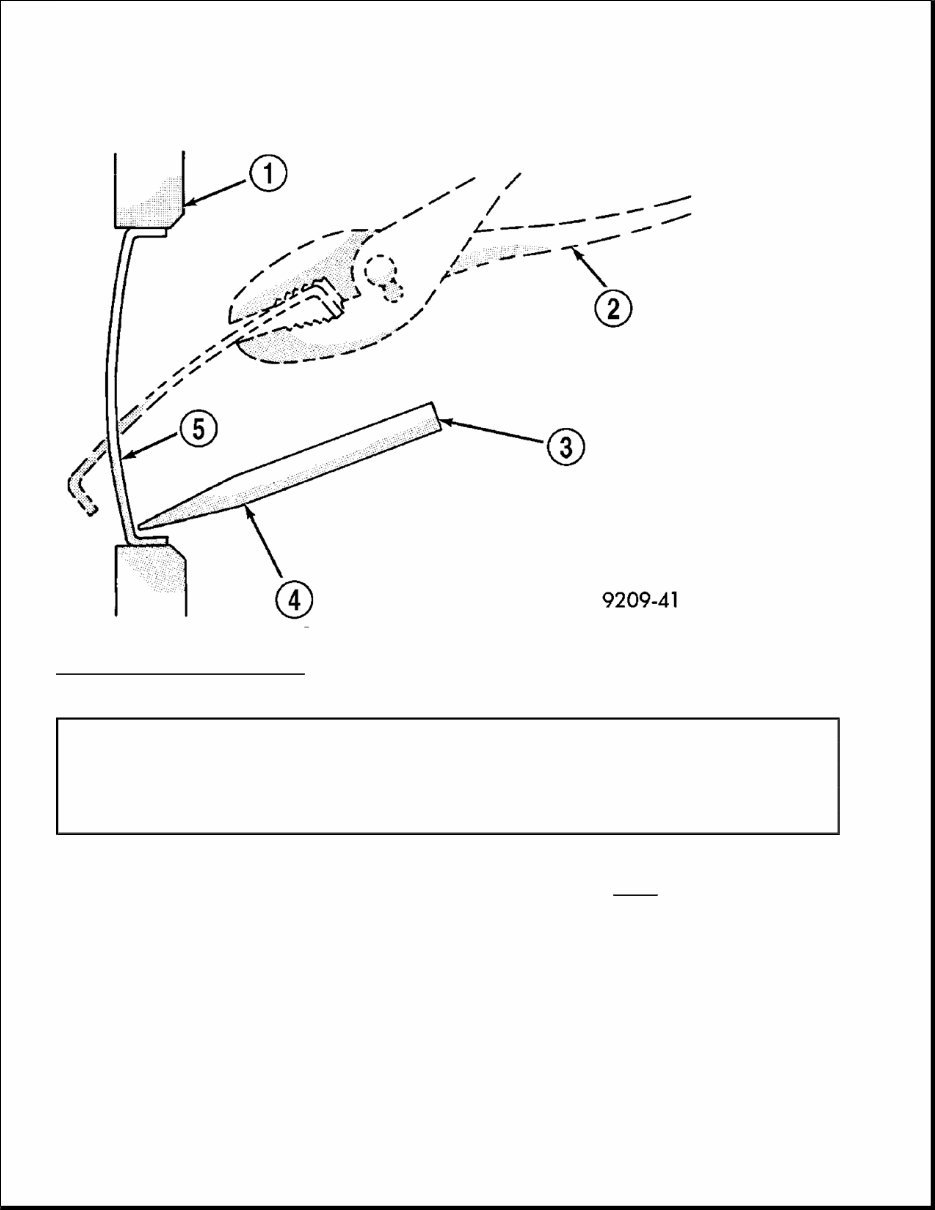
Fig. 2: Core Hole Plug Removal Courtesy of CHRYSLER LLC Using a blunt tool such as a drift and a hammer, strike the bottom edge of the cup plug (5). With the cup plug rotated, grasp firmly with pliers or other suitable tool and remove plug. See Fig. 2 . Thoroughly clean inside of cup plug hole in cylinder block or head. Be sure to remove old sealer. Lightly coat inside of cup plug hole with Mopar® Stud and Bearing Mount. Make certain the new plug is cleaned of all oil or grease. Using proper drive plug, drive plug into hole so that the sharp edge of the plug is at least 0.5 mm (0.020 in.) inside the lead-in chamfer. 1 - CYLINDER BLOCK 2 - REMOVE PLUG WITH PLIERS 3 - STRIKE HERE WITH HAMMER 4 - DRIFT PUNCH 5 - CUP PLUG CAUTION: Do not drive cup plug into the casting as restricted cooling can result and cause serious engine problems.
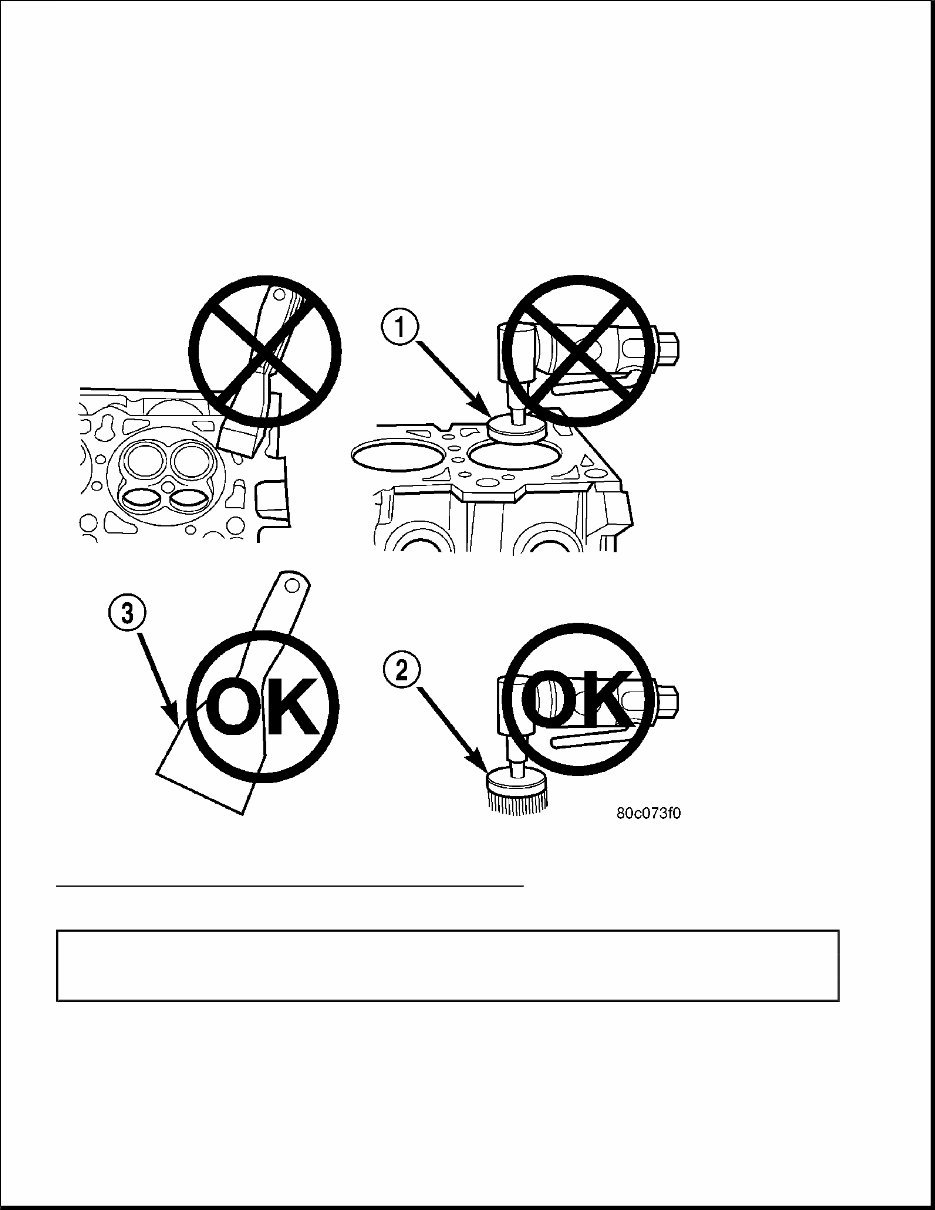
It is not necessary to wait for curing of the sealant. The cooling system can be refilled and the vehicle placed in service immediately. ENGINE GASKET SURFACE PREPARATION Fig. 3: View Of Proper Tool Usage For Surface Preparation Courtesy of CHRYSLER LLC To ensure engine gasket sealing, proper surface preparation must be performed, especially with the use of aluminum engine components and multi-layer steel cylinder head gaskets. Never use the following to clean gasket surfaces: 1 - ABRASIVE PAD 2 - 3M ROLOC™ BRISTLE DISC 3 - PLASTIC/WOOD SCRAPER
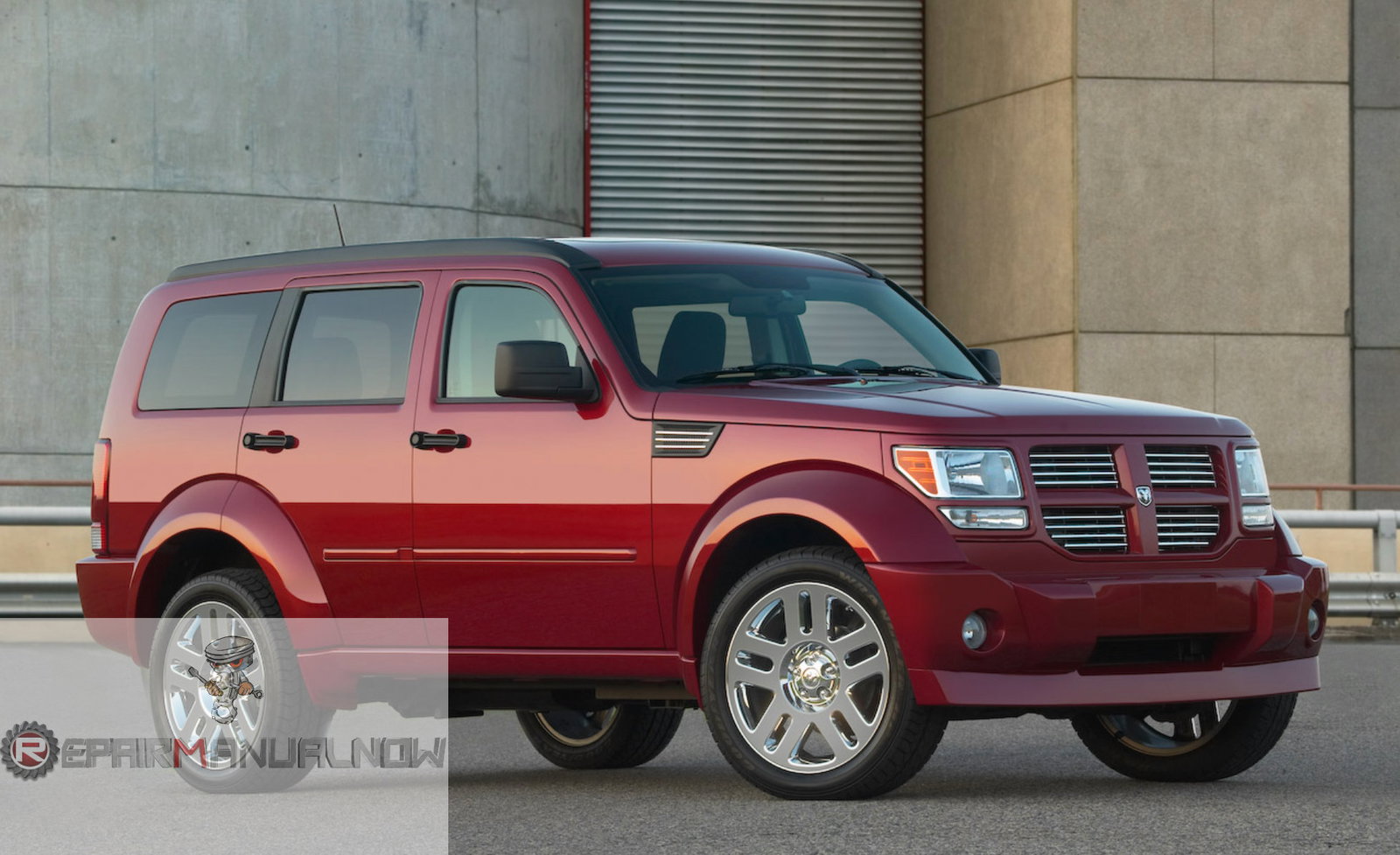
The Dodge Nitro 2007 Workshop Service Repair Manual is a comprehensive guide designed for professional technicians and do-it-yourself mechanics alike. This complete official full factory service repair manual covers all styles and provides hundreds of pages of valuable information. It is an essential resource for anyone looking to understand the fundamentals of repairing and maintaining the Dodge Nitro 2007.
The manual features easy-to-read text sections, top-quality diagrams, and step-by-step instructions suitable for both novice and experienced mechanics. It covers every single detail of the Dodge Nitro 2007, offering critical specifications, illustrations, maintenance procedures, disassembly and assembly instructions, and more.
When comparing the paper manual with the digital version, there are virtually no differences in terms of content. Both versions include step-by-step repair procedures, critical specifications, illustrations, maintenance procedures, and more. The main advantage of the digital version is the instant access and the ability to download it directly to your computer without any waiting or shipping fees.
The Dodge Nitro 2007 Workshop Service Repair Manual is available in English and is fully printable. It is compatible with all versions of Windows and Mac, and it requires Adobe Reader and WinZip for access. This manual is delivered instantly upon purchase, providing a hassle-free experience without the need for any additional software.
In summary, this manual is a valuable resource for anyone in need of detailed information on maintaining and repairing the Dodge Nitro 2007, offering instant access to essential guidance for all aspects of the vehicle's systems and components.



 Lifetime Access




