


Seats and Restraint Systems ........................... 1-1
Front Seats ............................................... 1-2
Rear Seats ............................................... 1-7
Safety Belts ............................................. 1-12
Child Restraints ....................................... 1-29
Airbag System ......................................... 1-54
Restraint System Check ............................ 1-69
Features and Controls ..................................... 2-1
Keys ........................................................ 2-2
Doors and Locks ....................................... 2-7
Windows ................................................. 2-12
Theft-Deterrent Systems ............................ 2-14
Starting and Operating Your Vehicle ........... 2-17
Mirrors .................................................... 2-32
Storage Areas ......................................... 2-34
Sunroof .................................................. 2-35
Instrument Panel ............................................. 3-1
Instrument Panel Overview .......................... 3-4
Climate Controls ...................................... 3-18
Warning Lights, Gages, and Indicators ........ 3-23
Secondary Information Center (SIC) ............ 3-31
Audio System(s) ....................................... 3-38
Driving Your Vehicle ....................................... 4-1
Your Driving, the Road, and Your Vehicle ..... 4-2
Towing ................................................... 4-34
Service and Appearance Care .......................... 5-1
Service ..................................................... 5-3
Fuel ......................................................... 5-5
Checking Things Under the Hood ............... 5-10
Headlamp Aiming ..................................... 5-39
Bulb Replacement .................................... 5-40
Windshield Wiper Blade Replacement ......... 5-44
Tires ...................................................... 5-45
Appearance Care ..................................... 5-66
Vehicle Identification ................................. 5-74
Electrical System ...................................... 5-74
Capacities and Specifications ..................... 5-80
Normal Maintenance Replacement Parts ...... 5-81
Maintenance Schedule ..................................... 6-1
Maintenance Schedule ................................ 6-2
Customer Assistance and Information .............. 7-1
Customer Assistance and Information ........... 7-2
Reporting Safety Defects ........................... 7-13
Index ................................................................ 1
2006 Chevrolet Aveo Owner Manual M
GENERAL MOTORS, GM, the GM Emblem,
CHEVROLET, the CHEVROLET Emblem, and
the name AVEO are registered trademarks of
General Motors Corporation.
This manual includes the latest information at the time it
was printed. We reserve the right to make changes
after that time without further notice. For vehicles first
sold in Canada, substitute the name “General Motors of
Canada Limited” for Chevrolet Motor Division whenever
it appears in this manual.
Keep this manual in the vehicle, so it will be there if it is
needed while you are on the road. If the vehicle is
sold, leave this manual in the vehicle.
Canadian Owners
A French language copy of this manual can be obtained
from your dealer or from:
Helm, Incorporated
P.O. Box 07130
Detroit, MI 48207
How to Use This Manual
Many people read the owner manual from beginning to
end when they first receive their new vehicle. If this
is done, it can help you learn about the features
and controls for the vehicle. Pictures and words work
together in the owner manual to explain things.
Index
A good place to quickly locate information about the
vehicle is the Index in the back of the manual. It is an
alphabetical list of what is in the manual and the
page number where it can be found.
Litho in U.S.A.
Part No. 06AVEO A First Printing
©
2005 General Motors Corporation. All Rights Reserved.
ii
Safety Warnings and Symbols
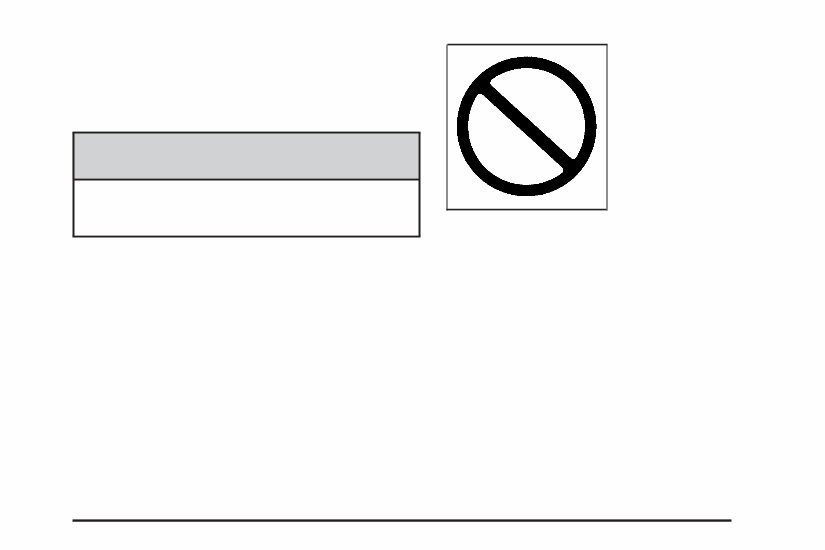
There are a number of safety cautions in this book. We
use a box and the word CAUTION to tell about things
that could hurt you if you were to ignore the warning.
{CAUTION:
These mean there is something that could hurt
you or other people.
In the caution area, we tell you what the hazard is.
Then we tell you what to do to help avoid or reduce the
hazard. Please read these cautions. If you do not,
you or others could be hurt.
You will also find a circle
with a slash through it in
this book. This safety
symbol means “Do Not,”
“Do Not do this” or “Do Not
let this happen.”
iii

Vehicle Damage Warnings
Also, in this manual you will find these notices:
Notice: These mean there is something that could
damage your vehicle.
A notice tells about something that can damage the
vehicle. Many times, this damage would not be covered
by your vehicle’s warranty, and it could be costly. But
the notice will tell what to do to help avoid the damage.
When you read other manuals, you might see
CAUTION and NOTICE warnings in different colors or in
different words.
There are also warning labels on the vehicle. They use
the same words, CAUTION or NOTICE.
Vehicle Symbols
The vehicle has components and labels that use
symbols instead of text. Symbols are shown along with
the text describing the operation or information
relating to a specific component, control, message,
gage, or indicator.
If you need help figuring out a specific name of a
component, gage, or indicator, reference the following
topics:
• Seats and Restraint Systems in Section 1
• Features and Controls in Section 2
• Instrument Panel Overview in Section 3
• Climate Controls in Section 3
• Warning Lights, Gages, and Indicators in Section 3
• Audio System(s) in Section 3
• Engine Compartment Overview in Section 5
iv
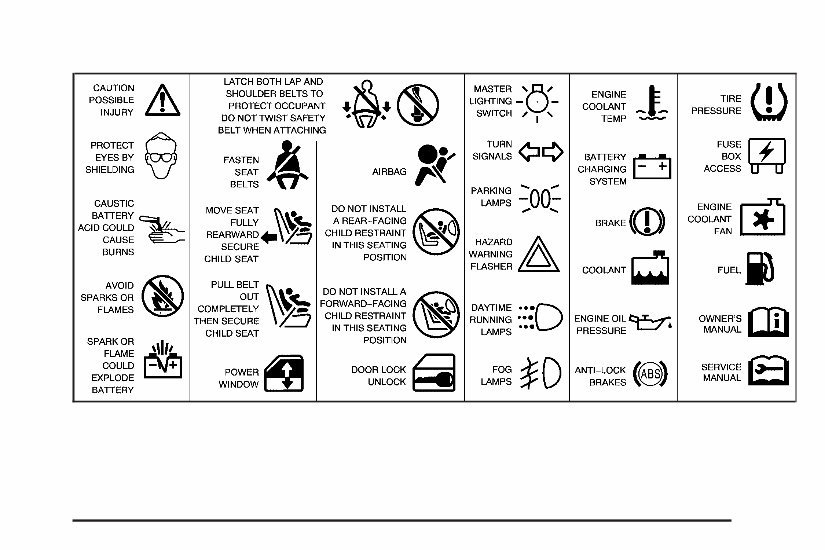
These are some examples of symbols that may be found on the vehicle:
v

✍ NOTES
vi

Front Seats ......................................................1-2
Manual Seats ................................................1-2
Driver Seat Height Adjuster ..............................1-3
Reclining Seatbacks ........................................1-3
Head Restraints .............................................1-6
Rear Seats .......................................................1-7
Rear Seat Operation (Sedan) ...........................1-7
Rear Seat Operation (Hatchback) .....................1-9
Safety Belts ...................................................1-12
Safety Belts: They Are for Everyone ................1-12
Questions and Answers About Safety Belts ......1-16
How to Wear Safety Belts Properly .................1-17
Driver Position ..............................................1-17
Shoulder Belt Height Adjustment .....................1-24
Safety Belt Use During Pregnancy ..................1-25
Right Front Passenger Position .......................1-25
Rear Seat Passengers ..................................1-25
Center Rear Passenger Position .....................1-28
Safety Belt Pretensioners ...............................1-29
Safety Belt Extender .....................................1-29
Child Restraints .............................................1-29
Older Children ..............................................1-29
Infants and Young Children ............................1-32
Child Restraint Systems .................................1-35
Where to Put the Restraint .............................1-40
Lower Anchors and Tethers for
Children (LATCH) ......................................1-42
Securing a Child Restraint in a Rear Seat
Position ...................................................1-48
Securing a Child Restraint in the Right Front
Seat Position ............................................1-50
Airbag System ...............................................1-54
Where Are the Airbags? ................................1-57
When Should an Airbag Inflate? .....................1-59
What Makes an Airbag Inflate? .......................1-61
How Does an Airbag Restrain? .......................1-61
What Will You See After an Airbag Inflates? .....1-62
Passenger Sensing System ............................1-63
Servicing Your Airbag-Equipped Vehicle ...........1-67
Adding Equipment to Your Airbag-Equipped
Vehicle ....................................................1-68
Restraint System Check ..................................1-69
Checking the Restraint Systems ......................1-69
Replacing Restraint System Parts
After a Crash ............................................1-70
Section 1 Seats and Restraint Systems
1-1
Front Seats
Manual Seats
{CAUTION:
You can lose control of the vehicle if you try to
adjust a manual driver’s seat while the vehicle
is moving. The sudden movement could startle
and confuse you, or make you push a pedal
when you do not want to. Adjust the driver’s
seat only when the vehicle is not moving.
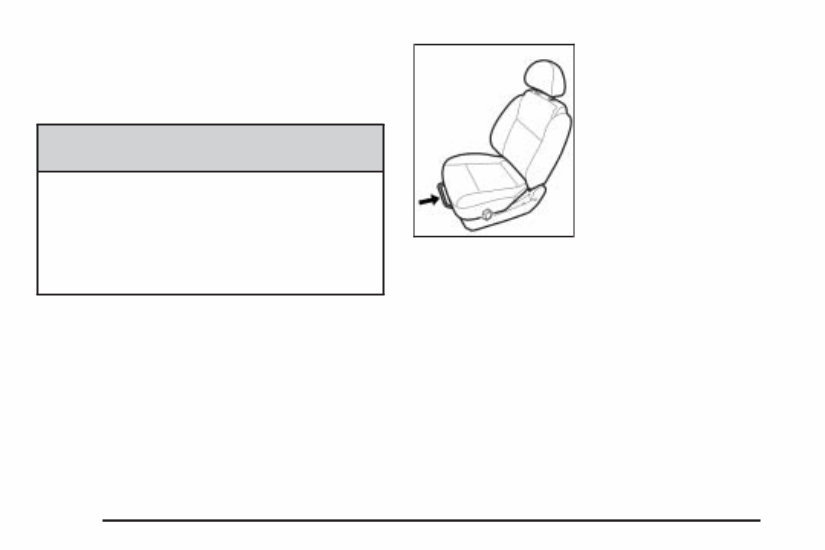
Pull up and hold the bar
located under the front of
the seat to unlock it.
Slide the seat to where you want it and release the bar.
Then try to move the seat with your body, to make
sure the seat is locked into place.
1-2
Driver Seat Height Adjuster
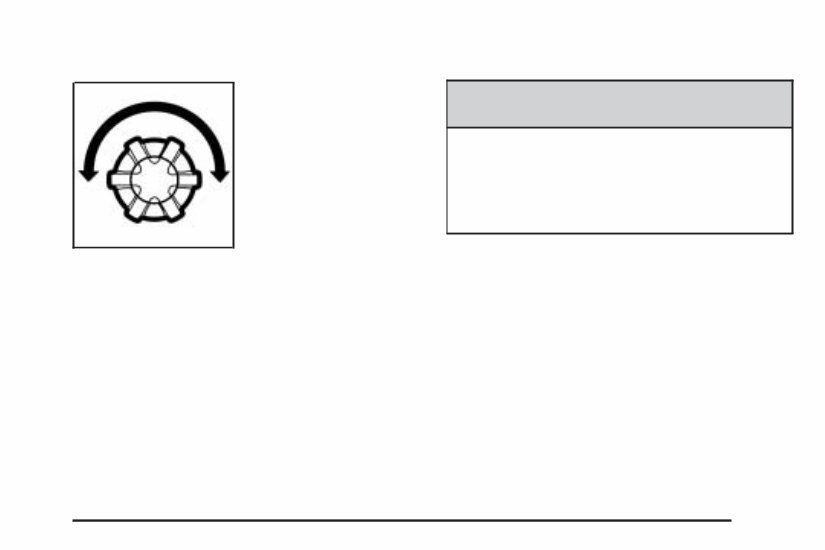
To adjust the height of the
driver’s seat cushion, turn
the knob located on
the outboard side of the
seat cushion.
Turn the knob forward to raise the height of the seat
cushion and rearward to lower it.
Reclining Seatbacks
{CAUTION:
If the seatback is not locked, it could move
forward in a sudden stop or crash. That could
cause injury to the person sitting there. Always
push and pull on the seatback to be sure it is
locked.
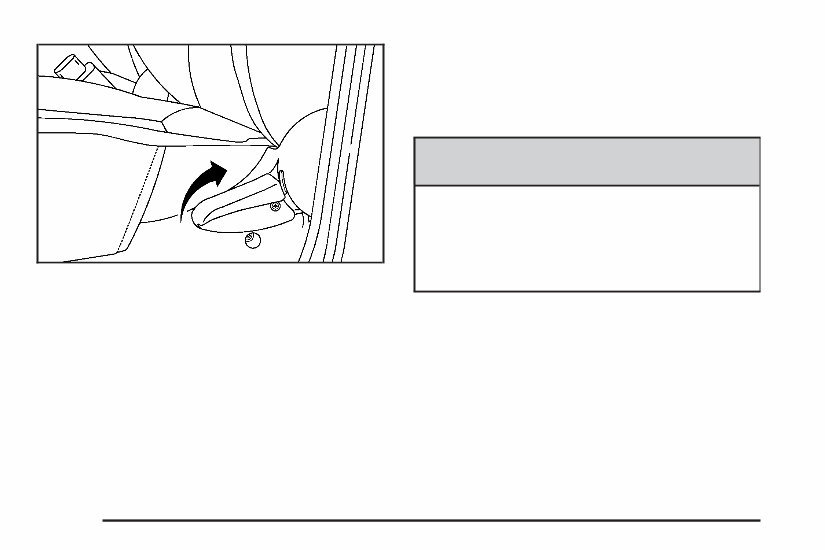
Your seats have manual reclining seatbacks. The lever
used to operate them is located on the outboard
side of the seats.
1-3
To recline the seatback, do the following:
1. Lift the recline lever.
2. Move the seatback to the desired position, then
release the lever to lock the seatback in place.
3. Push and pull on the seatback to make sure it is
locked.
To return the seatback to an upright position, do the
following:
1. Lift the lever fully without applying pressure to the
seatback and the seatback will return to the upright
position.
{CAUTION:
If the seatback is not locked, it could move
forward in a sudden stop or crash. That could
cause injury to the person sitting there. Always
push and pull on the seatback to be sure it is
locked.
2. Push and pull on the seatback to make sure it is
locked.
1-4
You're Reading a Preview
What's Included?
 Lifetime Access
Fast Download Speeds
Online & Offline Access
Access PDF Contents & Bookmarks
Full Search Facility
Print one or all pages of your manual
$24.99
2006 CHEVY / CHEVROLET Aveo Owners Manual
Viewed 53 Times Today

What's Included?
Lifetime Access
Fast Download Speeds
Online & Offline Access
Access PDF Contents & Bookmarks
Full Search Facility
Print one or all pages of your manual
$24.99

Secure transaction
What's Included?
Lifetime Access
Fast Download Speeds
Online & Offline Access
Access PDF Contents & Bookmarks
Full Search Facility
Print one or all pages of your manual
Description
The 2006 Chevy/ Chevrolet Aveo Owners Manual is a comprehensive guide designed to assist owners of the Chevy Aveo model year 2006. This manual provides detailed information on the features, functions, and maintenance of the Aveo, ensuring that owners can maximize their experience with this vehicle.
Key features of the 2006 Chevy/ Chevrolet Aveo Owners Manual include:
- Comprehensive vehicle information and specifications
- Guidance on operating the various systems within the Aveo
- Important safety instructions and precautions
- Tips for proper vehicle care and maintenance
- Instructions for performing basic troubleshooting
With the 2006 Chevy/ Chevrolet Aveo Owners Manual, owners can confidently navigate their Aveo and ensure its optimal performance. Whether it's understanding the vehicle's technology or handling routine maintenance, this manual serves as an invaluable resource for Aveo owners.


