Volvo TAD1641GE engine Workshop Service Repair Manual
What's Included?
Lifetime Access
Fast Download Speeds
Online & Offline Access
Access PDF Contents & Bookmarks
Full Search Facility
Print one or all pages of your manual
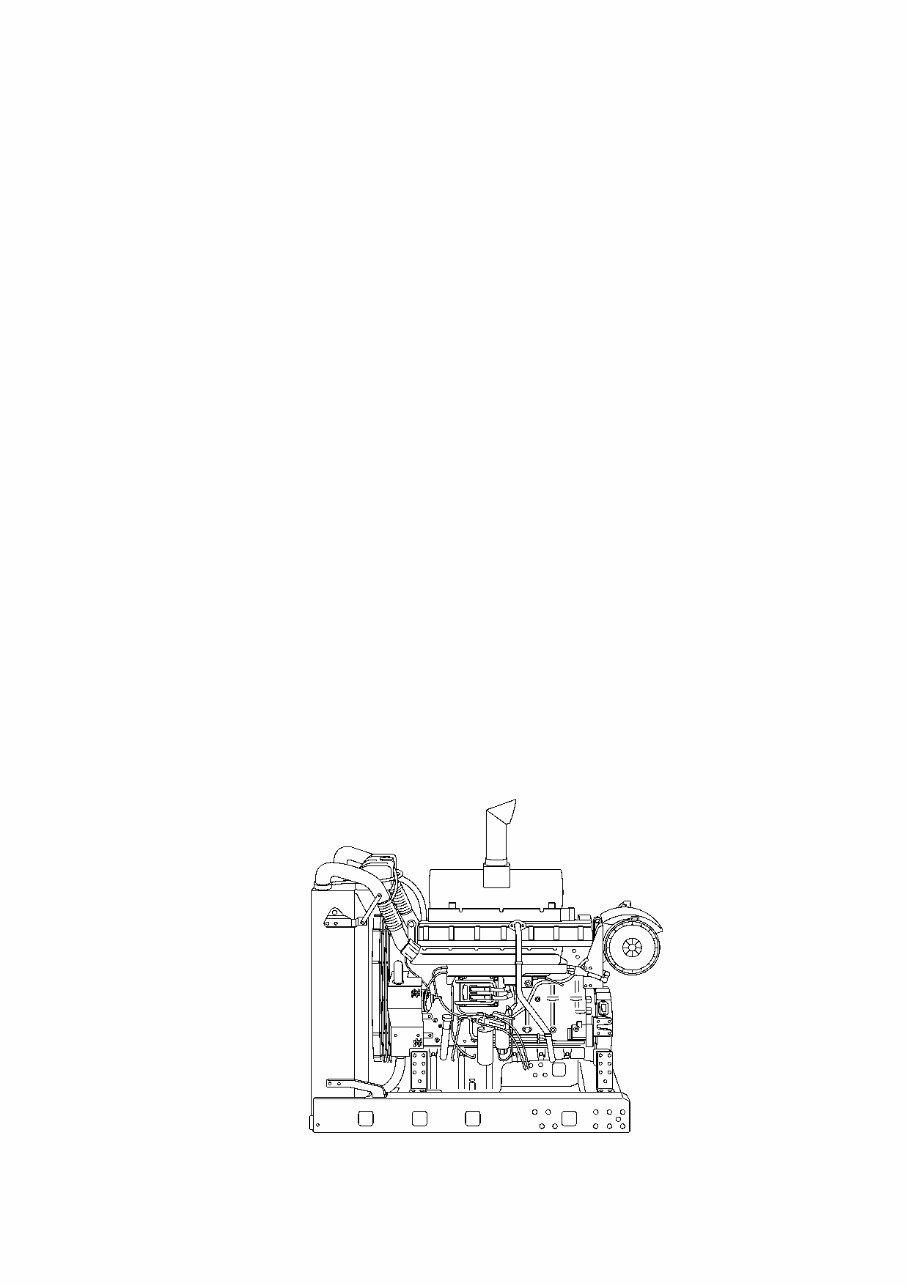
Workshop and repair manual V V O O L L V V O O E E N N G G I I N N E E T T A A D D 1 1 6 6 4 4 0 0 & & 1 1 6 6 4 4 1 1 & & 1 1 6 6 4 4 2 2 G G E E T T A A D D 1 1 6 6 4 4 1 1 & & 1 1 6 6 4 4 2 2 V V E E 7746012 – 7746022 - 7746032 09/2004 33525071901_0_1
Workshop Manual Group 20 Technical Data TAD1640GE, TAD1641GE, TAD1642GE TAD1641VE, TAD1642VE I 1(0)
Technical data Engine TAD1640GE, TAD1641GE, TAD1642GE TAD1641VE, TAD1642VE Contents Safety information ................................................ 2 General information ............................................. 5 Technical data General ............................................................... 6 Engine ................................................................ 6 Valve mechanism ............................................... 8 Timing gear ......................................................... 11 Reciprocating components .................................. 13 Lubrication and oil systems ................................. 16 Fuel system ........................................................ 18 Inlet and exhaust system .................................... 19 Cooling system ................................................... 20 Engine control system ........................................ 21 Tightening torque ................................................ 22
Group 20 General instructions Safety information This workshop manual contains technical data, des- criptions and repair instructions for the Volvo Penta products or product versions noted in the table of con- tents. Check that you have the correct Workshop Ma- nual for your engine. Check that the warning or information labels on the product are always clearly visible. Replace labels which have been damaged or painted over. Never start the engine without the air cleaner fil- ter fitted. The rotating compressor turbine in the turbocharger can cause severe injury. Foreign objects entering the intake ducts can also cause mechanical damage. Never use start spray or similar products to aid starting. They may cause an explosion in the in- let manifold. Danger of personal injury. Only start the engine in a well- ventilated area. When operated in a confined space, exhaust fu- mes and crankcase gases must be ventilated from the engine bay or workshop area. Avoid opening the coolant filler cap when the engine is hot. Steam or hot coolant can spray out and the system pressure will be lost. When needed, open the filler cap slowly and release the pressure in the system. Be extremely care- ful if a tap, plug or coolant hose has to be remo- ved from a hot engine. It is difficult to anticipate in which direction steam or hot coolant can spray out. Hot oil can cause burns. Avoid getting hot oil on the skin. Ensure that the lubrication system is not under pressure before carrying out any work on it. Never start or operate the engine with the oil filler cap removed, otherwise oil could be ejected. Important In this book and on the product you will find the follo- wing special warning symbols. WARNING! Possible danger of personal injury, extensive damage to property or serious mecha- nical malfunction if the instructions are not follo- wed. IMPORTANT! Used to draw your attention to so- mething that can cause damage or malfunctions on a product or damage to property. NOTE: Is used to call attention to important information, to facilitate work processes or operations. To give you a perspective of the risks which always need to be observed and precautions which always have to be taken, we have noted them below. Immobilize the engine by turning off the power with the main switch(es) and locking it (them) in the off position before starting service work. Fix a warning notice at the engine control point. All service work should normally be done on a stationary engine. Some work however, such as adjustments, needs the engine running. Ap- proaching an engine which is operating is a sa- fety hazard. Remember that loose clothing or long hair can fasten in rotating parts and cause serious personal injury. If work is done adjacent to a running engine, a careless movement or a dropped tool can lead, in the worst case, to personal injury. Take care to avoid contact with hot surfaces (exhaust pi- pes, Turbocharger (TC), air intake pipe, starter heater etc.) and hot liquids in lines and hoses on an engine which is running or which has just been stopped. Reinstall all protective parts removed during service operations before star- ting the engine. Read the available safety information, “General in- formation” and “Repair instructions” in the work- shop manual before you start to do any service work.
General instructions Group 20 Stop the engine before carrying out operations on the engine cooling system. Always use protective glasses or goggles when carrying out work where there is a risk of splint- ers, grinding sparks, acid splashes or where oth- er chemicals are used. Your eyes are extremely sensitive, injury could cause blindness! Avoid getting oil on the skin! Repeated exposure to oil or exposure over a long period can result in the skin becoming dry. Irritation, dryness, ec- zema and other skin problems can then occur. Used oil is more dangerous than fresh oil from a health aspect. Use protective gloves and avoid oil soaked clothes and shop rags. Wash regular- ly, especially before eating. There are special skin creams which counteract drying out of the skin and make it easier to clean off dirt after work is completed. Most chemicals intended for the product (e.g. engine and transmission oils, glycol, gasoline and diesel oil) or chemicals for workshop use (e.g. degreasers, paints and solvents) are hazar- dous. Read the instructions on the product package carefully! Always follow the safety pre- cautions for the product (for example use of breathing mask, eye protection, gloves etc.). Make sure that other personnel are not unkno- wingly exposed to hazardous chemicals, for ex- ample via the air. Ensure good ventilation in the work place. Follow the instructions provided when disposing of used or leftover chemicals. Exercise extreme care when leak detecting on the fuel system and testing the fuel injector nozzles. Use eye protection. The jet from a fuel injector is under very high pressure, and has considerable penetration ability; fuel can force its way deep into body tissues and cause seri- ous damage. Danger of blood poisoning (septi- cemia). WARNING! The injector pipes must under no circumstances be bent or reshaped. Damaged pipes must be replaced. All fuels, and many chemicals, are flammable. Do not allow naked flame or sparks in the vicini- ty. Certain thinner products and hydrogen from batteries are easily ignitable and are explosive when mixed with air in the right proportions. No Smoking! Ensure that the work area is well ven- tilated and take the necessary safety precau- tions before starting welding or grinding work. Al- ways ensure that there are fire extinguishers at hand when work is being carried out. Make sure that oil and fuel soaked rags, and used fuel and oil filters are stored in a safe pla- ce. Rags soaked in oil can spontaneously ignite under certain circumstances. Used fuel and oil filters are polluting waste and must be handed to an approved waste management facility for de- struction, together with used lubrication oil, con- taminated fuel, paint residue, solvents, degreas- ers and wash residue. Never expose a battery to naked flame or electrical sparks. Never smoke close to the batteries. The batteries give off hydrogen gas during charging which when mixed with air can form an explosive gas - oxyhydrogen. This gas is easily ignited and highly explosive. A spark, which can be formed if the batteries are wrongly connected, is enough to make a battery explode and cause damage. Do not shift the connections when attempting to start the engine (spark risk) and do not lean over any of the batteries. Always ensure that the Plus (positive) and Mi- nus (negative) battery cables are correctly in- stalled on the corresponding terminal posts on the batteries. Incorrect installation can result in serious damage to the electrical equipment. Re- fer to the wiring diagram. Always use protective goggles when charging and handling the batteries. Battery electrolyte contains sulfuric acid which is highly corrosive. Should the battery electrolyte come into contact with unprotected skin wash off immediately using plenty of water and soap. If you get bat- tery acid in your eyes, flush at once with a ge- nerous amount of water, and get medical assis- tance at once. Stop the engine and turn off the power at the main switch(es) before carrying out work on the electrical system.
Allmänna anvisningar 4 Grupp 20 The clutch must be adjusted with the engine stationary. Use the lifting eyes fitted on the engine when lifting the drive unit. Always check that the lifting equipment used is in good condition and has the load capacity to lift the engine (engine weight including gearbox, if fitted, and any extra equipment installed). Use an adjustable lifting beam, or lifting beam specifically for the engine, to raise the engine to ensure safe handling and to avoid damaging engine parts installed on the top of the engine. All chains and cables should run parallel to each other and as perpendicular as possible in rela- tion to the top of the engine. If other equipment connected to the engine has altered its center of gravity, special lifting devi- ses may be needed to obtain the correct balan- ce and safe handling. Never carry out work on an engine suspended on a hoist. Never work alone when heavy components are to be dismantled, even when safe lifting devises such as lockable blocks & tackle are used. When using a lifting device two people are usu- ally required to do the work, one to take care of the lifting device and another to ensure that components are lifted clear and not damaged during the lifting operations. Always make sure that there is enough space for disassembly where you are working, with no risk for personal or material damage. WARNING! The components in the electrical system and in the fuel system on Volvo Penta products are designed and manufactured to mi- nimize the risk of fire and explosion. The engine must not be run in areas where there are explo- sive materials. Always use fuels recommended by Volvo Pen- ta. Refer to the Instruction Book. Use of fuels that are of a lower quality can damage the engi- ne. On a diesel engine poor quality fuel can cau- se the control rod to seize and the engine to overrev with resulting risk of damage to the eng- ine and personal injury. Poor fuel quality can also lead to higher maintenance costs. Remember the following when washing with a high pressure washer: Never aim the water jet at seals, rubber hoses or electrical components. Never use a high pressure washer for engine cleaning. The injectors can leak fuel when the engine is stationary, if the tank is higher than the engine and the fuel pressure is positive.
Group 20 General information Certified engines The manufacturer certifies that both new engines and those in use, which are certified for national or regio- nal legislation, comply with the environmental require- ments. The following requirements for service and spare parts must be complied with, for Volvo Penta as a manufacturer to be responsible for ensuring that engines in use comply with the stipulated environmen- tal requirements: • Maintenance and service intervals recommended by Volvo Penta must be complied with. • Only Volvo Penta Original Spare Parts intended for the certified engine version may be used. • Service related to injection pumps, pump settings and injectors must always be done by an authori- zed Volvo Penta workshop. • The engine must not be converted or modified in any way, except for the accessories and service kits which Volvo Penta has approved for the engi- ne. • Installation changes to the exhaust pipe and the engine bay air inlet ducts (ventilation ducts) must not be done without further discussion, since this could affect exhaust emissions. • No tamper-seals may be broken by unauthorized personnel. The general advice in the instruction book about ope- ration, care and maintenance, applies. IMPORTANT! When spare parts are needed, use only Volvo Penta Original Spares. The use of non-original spare parts means that AB Volvo Penta can no longer be responsible for guaranteeing that the engine complies with the certified version. Any damage, injury and/or costs which arise due to the use of non-original Volvo Penta spares for the product in question will not be compensated by Volvo Penta. About this Workshop Manual This workshop manual contains engine descriptions and repair instructions for the standard versions of TAD1640GE, TAD1641GE, TAD1642GE, TAD1641VE and TAD1642VE engines. The workshop manual, Technical data section, con- tains specifications and tightening torques for the standard versions of TAD1640GE, TAD1641GE, TAD1642GE, TAD1641VE and TAD1642VE engines. This document contains all the references from the Workshop manual. The Engine Designation and Engine Numbers can be found on the product plate. Please always include both the engine designation and the engine number in all correspondence. The Workshop Manual is produced primarily for the use of Volvo Penta workshops and qualified Volvo service technicians. For this reason the manual pres- upposes a certain basic knowledge and that the user can carry out the mechanical/electrical work described to a general standard of engineering competence. Volvo Penta products are under a continual process of development and we therefore reserve all rights regar- ding changes and modifications. All the information in this manual is based on product specifications availa- ble at the time the book was published. Any material changes introduced into the product or service met- hods after this date are notified by means of Service Bulletins. Spare parts Spare parts for the electrical and fuel systems are subject to various national safety requirements. Volvo Penta Original Spares comply with these require- ments. No damage whatever, occasioned by use of non-original Volvo Penta spares for the product, will be compensated by the warranty offered by Volvo Penta.
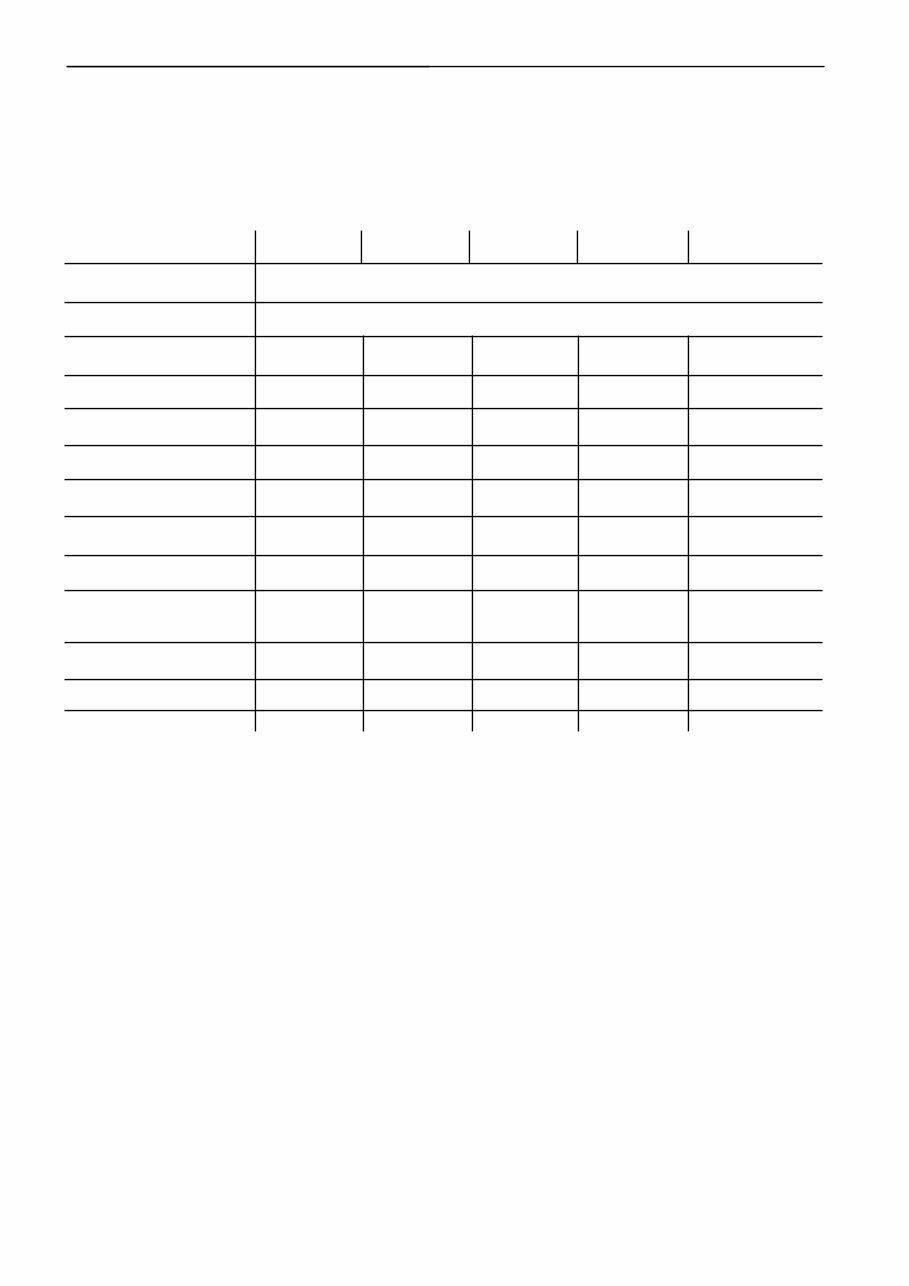
6 Group 20 Technical data General Designation TAD1640GE TAD1641GE TAD1642GE TAD1641VE TAD1642VE Power, Prime/Stand-by See sales literature Torque, Prime/Stand-by See sales literature No. of cylinders 6 6 6 6 6 Bore 144 144 144 144 144 Stroke, mm 165 165 165 165 165 Cylinder volume, dm 3 16,12 16,12 16,12 16,12 16,12 Weight, dry (kg) 1440 1440 1480 1480 1480 Weight, wet (kg) 1510 1510 1550 1550 1550 Injection sequence 1-5-3-6-2-4 1-5-3-6-2-4 1-5-3-6-2-4 1-5-3-6-2-4 1-5-3-6-2-4 Compression- ratio 17,5:1 16,5:1 16,5:1 17,5:1 17,5:1 Low idle, rpm 900 900 900 600 600 High idle, rpm 1500/1800 1500/1800 1500/1800 1800-2000 1800-2000 Technical data Engine Engine block Length .................................................................... 1156 mm (45.51") Height, upper block plane - crankcase centerline ... 453 mm (17.83") Height lower block plane - crankcase centerline ..... 120 mm (4.72") Crankcase pressure, normal value, irrespective of engine speed ......... max 0.5 kPa (0.07 psi)
This is a comprehensive factory service repair manual for the Volvo TAD1641GE engine. It is an invaluable resource for both professional mechanics and DIY enthusiasts. The manual provides detailed information on engine identification, general precautions, disassembly and assembly, maintenance checklists, special tools, fuel systems, troubleshooting, servicing specifications, tightening torques, cooling systems, exhaust systems, electrical systems, alternators, regulators, and wiring diagrams.
The manual also includes detailed substeps, notes, cautions, warnings, numbered instructions, bold figure numbers, illustrations, photos, and an enlarged inset to help with part identification. It contains all necessary illustrations, diagrams, and specifications to guide the mechanic through any repair procedure. Troubleshooting and electrical service procedures are combined with detailed wiring diagrams for ease of use.
This service manual is available in .PDF format and is compatible with all PC-based Windows operating systems and Mac. It is printable without any restrictions and requires Adobe Reader for access. With this manual, you can easily diagnose, repair, maintain, rebuild, refurbish, or restore your Volvo TAD1641GE engine. It covers all diagnostic and repair procedures in great detail, providing the same information that professional technicians and mechanics have.
Whether you need to print out specific pages or the entire manual, this resource offers convenience and practicality. Say goodbye to the hassle of dealing with messy, worn-out manuals. This Volvo TAD1641GE engine factory service repair manual is your go-to solution for all repair and service needs.
Recently Viewed
5,521,897Happy Clients
2,594,462eManuals
1,120,453Trusted Sellers
15Years in Business
Price:
Actual Price:
Volvo TAD1641GE engine Workshop Service Repair Manual



 Lifetime Access