GROUP TAB LOCATOR Introduction 0 Lubrication & Maintenance 2 Suspension 3 Differential & Driveline 5 Brakes 6 Clutch 7 Cooling 8A Audio 8B Chime/Buzzer 8E Electronic Control Modules 8F Engine Systems 8G Heated Systems 8H Horn 8I Ignition Control 8J Instrument Cluster 8L Lamps 8M Compass/Mini-Trip Computer 8N Power Systems 8O Restraints 8P Speed Control 8Q Vehicle Theft Security 8R Wipers/Washers 8W Wiring 9 Engine 11 Exhaust System 13 Frame & Bumpers 14 Fuel System 19 Steering 21 Transmission/Transaxle 22 Tires/Wheels 23 Body 24 Heating & Air Conditioning 25 Emissions Control Service Manual Comment Forms (Rear of Manual)
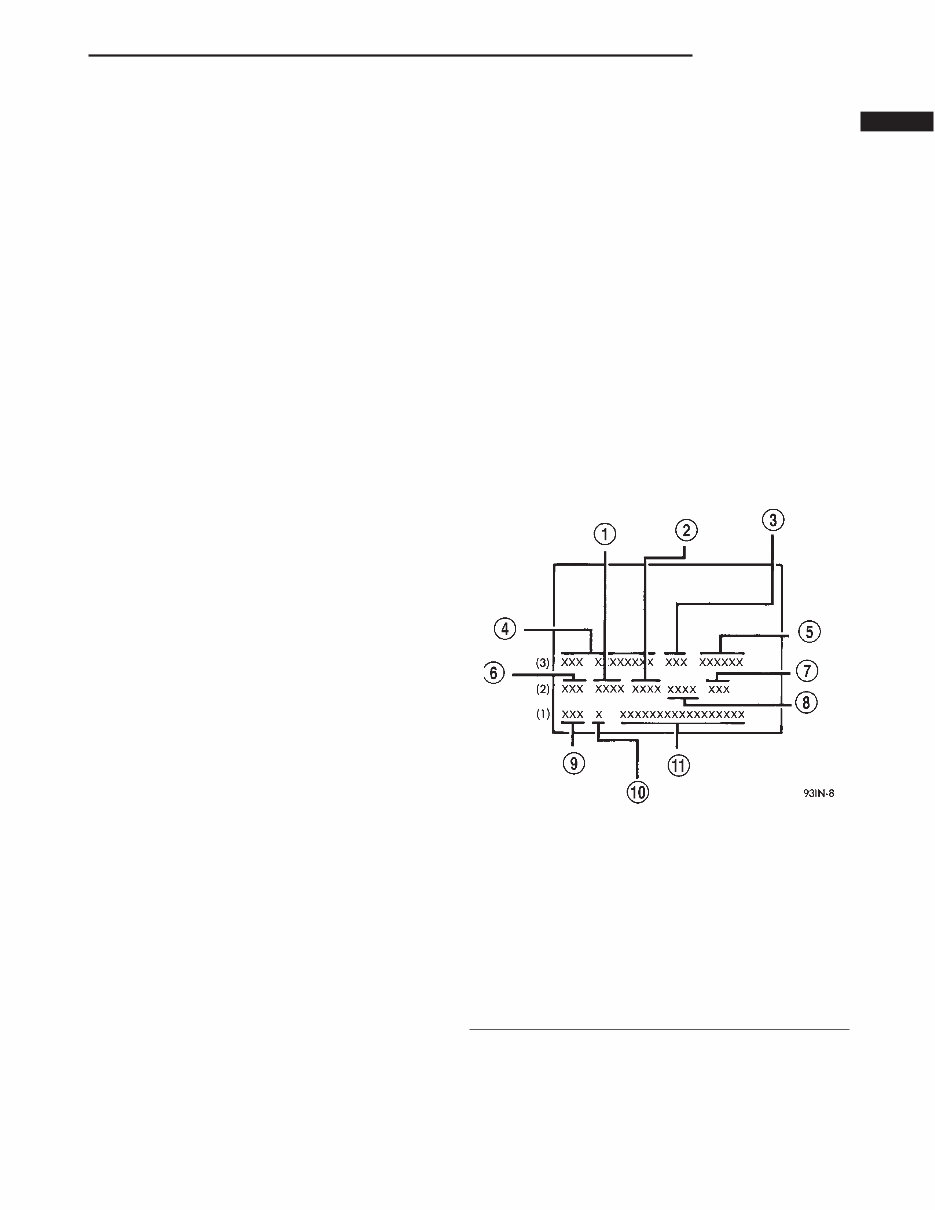
INTRODUCTION TABLE OF CONTENTS page page BODY CODE PLATE DESCRIPTION .......................... 1 FASTENER IDENTIFICATION DESCRIPTION .......................... 2 FASTENER USAGE DESCRIPTION .......................... 5 THREADED HOLE REPAIR DESCRIPTION .......................... 5 INTERNATIONAL VEHICLE CONTROL AND DISPLAY SYMBOLS DESCRIPTION - INTERNATIONAL SYMBOLS ...5 METRIC SYSTEM DESCRIPTION .......................... 6 TORQUE REFERENCES DESCRIPTION .......................... 8 VEHICLE IDENTIFICATION NUMBER DESCRIPTION .......................... 9 VEHICLE SAFETY CERTIFICATION LABEL DESCRIPTION ......................... 10 E-MARK LABEL DESCRIPTION ......................... 10 VECI LABEL DESCRIPTION ......................... 10 MANUFACTURE PLATE DESCRIPTION ......................... 11 BODY CODE PLATE DESCRIPTION The Body Code Plate (Fig. 1) is located in the engine compartment on the driver side strut tower. There are seven lines of information on the body code plate. Lines 4, 5, 6, and 7 are not used to define ser- vice information. Information reads from left to right, starting with line 3 in the center of the plate to line 1 at the bottom of the plate. BODY CODE PLATE LINE 2 DIGITS 1, 2, AND 3 Paint procedure DIGIT 4 Open Space DIGITS 5 THROUGH 7 Primary paint (Refer to 23 - BODY/PAINT - SPECIFICATIONS) for Body Color Codes. DIGIT 8 AND 9 Open Space DIGITS 10 THROUGH 12 Secondary Paint DIGIT 13 AND 14 Open Space Fig. 1 BODY CODE PLATE 1 - PRIMARY PAINT 2 - SECONDARY PAINT 3 - VINYL ROOF 4 - VEHICLE ORDER NUMBER 5 - CAR LINE SHELL 6 - PAINT PROCEDURE 7 - ENGINE 8 - TRIM 9 - TRANSMISSION 10 - MARKET 11 - VIN JR INTRODUCTION 1
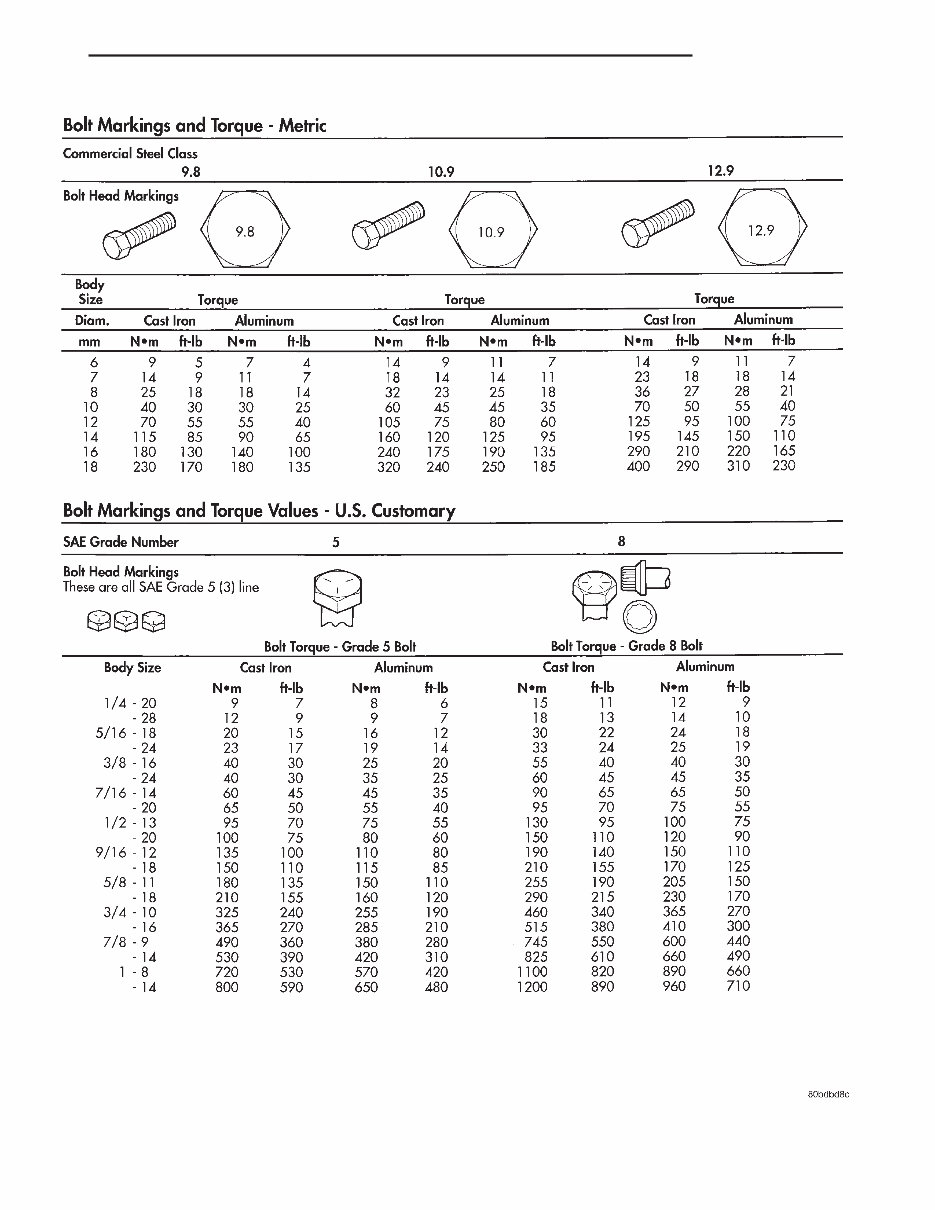
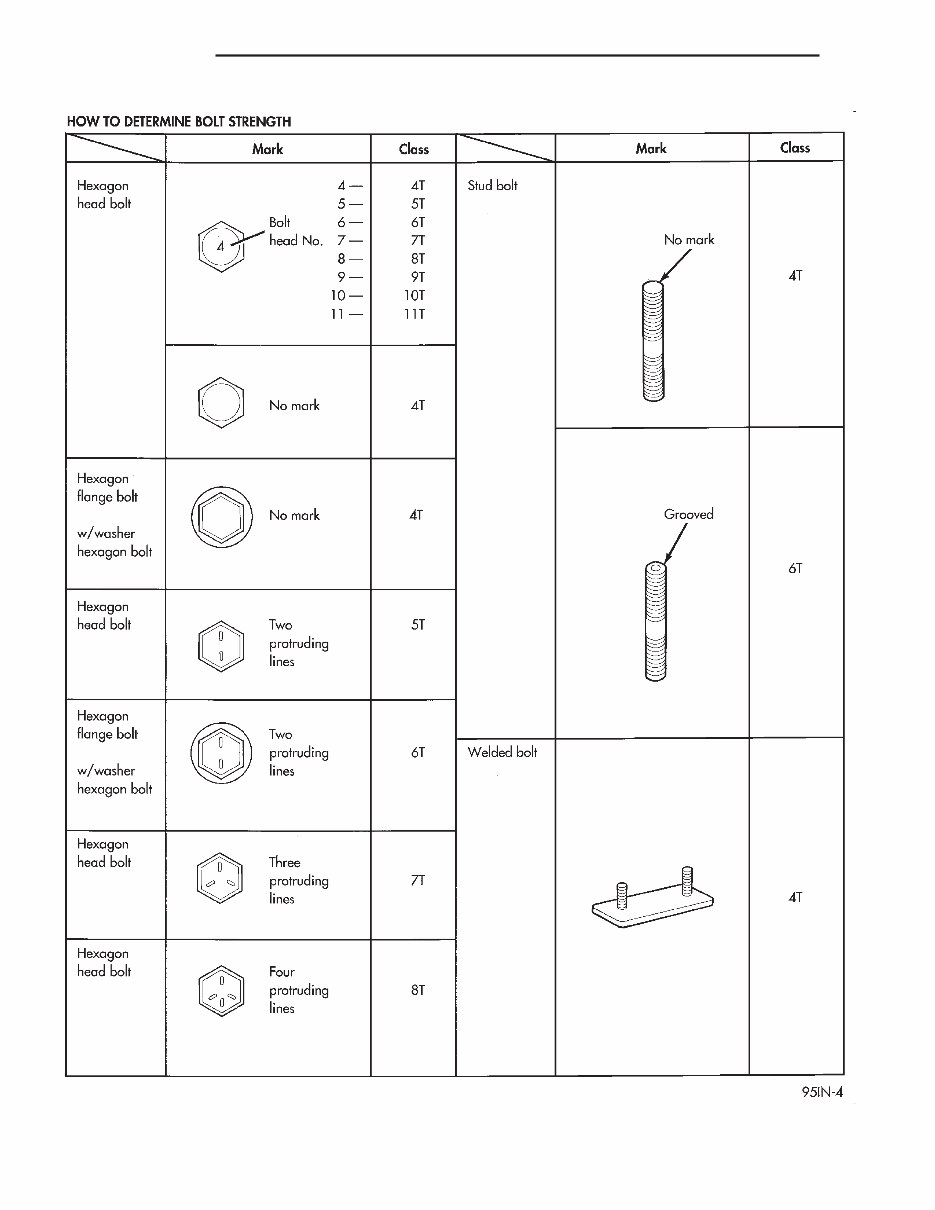
DIGITS 15 THROUGH 18 Interior Trim Code DIGIT 19 Open Space DIGITS 20, 21, AND 22 Engine Code • ECC = 2.0L Four Cylinder 16 Valves DOHC Gasoline • EDZ = 2.4L Four Cylinder 16 Valves DOHC Gas- oline • EER = 2.7L Six Cylinder 24 Valves DOHC Gas- oline DIGIT 23 Open Space BODY CODE PLATE LINE 1 DIGITS 1, 2, AND 3 Transaxle Codes • DGL = 41TE 4-Speed Electronic Automatic Transaxle • DD5 = NV T350 5-Speed Manual Transaxle DIGIT 4 Open Space DIGIT 5 Market Code • C = Canada • B = International • M = Mexico • U = United States DIGIT 6 Open Space DIGITS 7 THROUGH 23 Vehicle Identification Number • Refer to Vehicle Identification Number (VIN) paragraph for proper breakdown of VIN code. IF TWO BODY CODE PLATES ARE REQUIRED The last code shown on either plate will be fol- lowed by END. When two plates are required, the last code space on the first plate will indicate (CTD) When a second plate is required, the first four spaces of each line will not be used due to overlap of the plates. FASTENER IDENTIFICATION DESCRIPTION The SAE bolt strength grades range from grade 2 to grade 8. The higher the grade number, the greater the bolt strength. Identification is determined by the line marks on the top of each bolt head. The actual bolt strength grade corresponds to the number of line marks plus 2. The most commonly used metric bolt strength classes are 9.8 and 10.9. The metric strength class identification number is imprinted on the head of the bolt. The higher the class number, the greater the bolt strength. Some metric nuts are imprinted with a single-digit strength class on the nut face. Refer to the Fastener Identification and Fastener Strength Charts (Fig. 2) and (Fig. 3). 2 INTRODUCTION JR BODY CODE PLATE (Continued)
Fig. 2 FASTENER IDENTIFICATION JR INTRODUCTION 3 FASTENER IDENTIFICATION (Continued)
Fig. 3 FASTENER STRENGTH 4 INTRODUCTION JR FASTENER IDENTIFICATION (Continued)
The 2000-2001 Dodge Stratus Service & Repair Manual is an essential tool for any owner or mechanic of the Dodge Stratus. This comprehensive manual provides detailed instructions and illustrations to help you maintain, repair, and service your vehicle effectively.
With this service and repair manual, you can confidently tackle a wide range of tasks—from basic maintenance to complex repairs. Whether you are a professional mechanic or a DIY enthusiast, this manual offers the in-depth information you need to keep your Dodge Stratus performing at its best.
The manual covers various models of the Dodge Stratus, including:
2000 Dodge Stratus
2001 Dodge Stratus
Each model is thoroughly explained with step-by-step instructions, diagrams, and illustrations to guide you through every procedure. From engine repairs to electrical systems, suspension maintenance to brake replacements, this guide covers it all.
By using the 2000-2001 Dodge Stratus Service & Repair Manual, you can save time and money by confidently performing troubleshooting and repair tasks without unnecessary trips to the mechanic.
Invest in this service and repair manual for your 2000 or 2001 Dodge Stratus and gain the expertise to handle any repair or maintenance task that comes your way.




 Lifetime Access