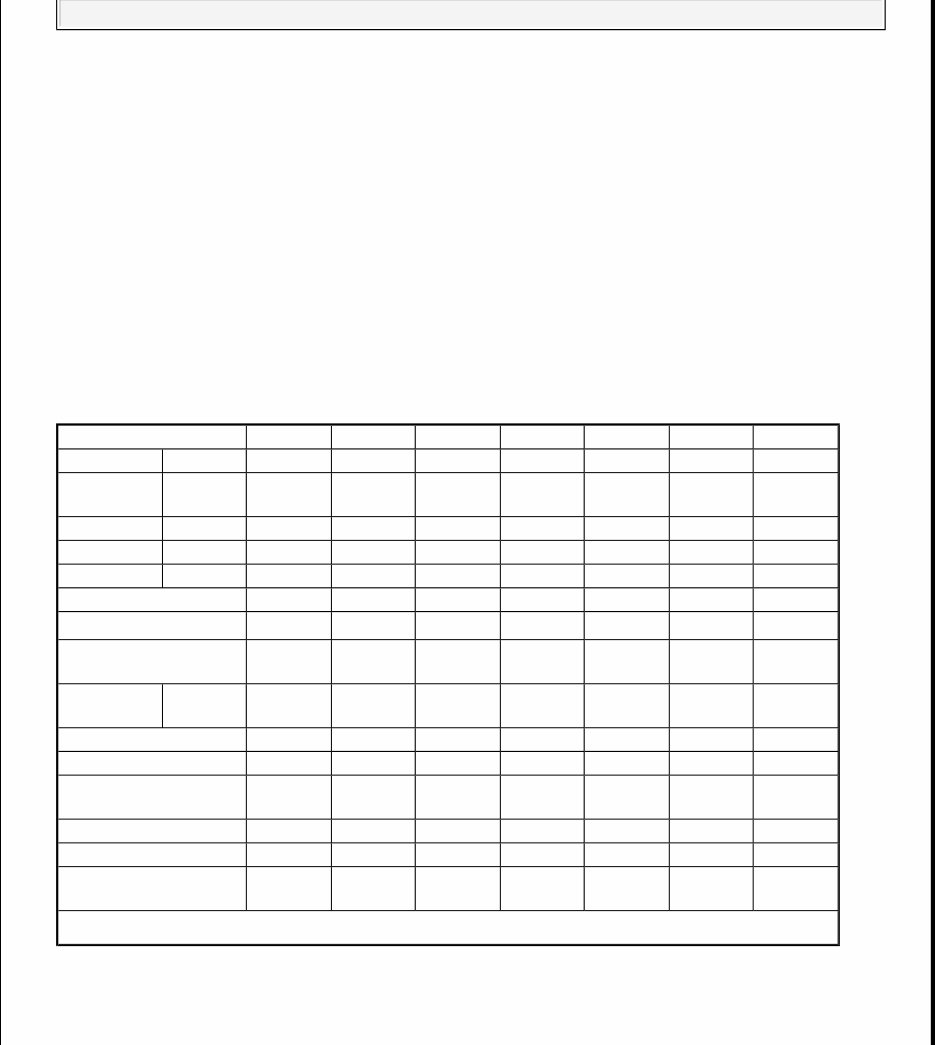
ENGINE 2.0 Liter 4-Cyl. 4V Turbo Engine Mechanical, Engine Code(s): BPG, BWT 00 - GENERAL, TECHNICAL DATA TECHNICAL DATA Engine number The engine number ("engine code" and "serial number") are located at front of engine/transmission joint. In addition, a sticker with "engine code" and "serial number" is affixed to timing belt cover. The engine code is also included on vehicle data plates. Engine data SAFETY PRECAUTIONS Safety precautions Code letters BGB BPG BWE BUL BYK BPJ BWT Displacement ltr. 1.984 1.984 1.984 1.984 1.984 1.984 1.984 Output kW at 1/rpm 147/5700 147/5700 147/5700 162/5900 125/4300 125/4300 147/5700 Torque Nm at rpm 280/2000 280/2000 280/1800 300/2200 280/1800 280/1800 280/1800 Bore Dia. mm 82.5 82.5 82.5 82.5 82.5 82.5 82.5 Stroke mm 92.8 92.8 92.8 92.8 92.8 92.8 92.8 Compression ratio 10.5 10.5 10.3 10.3 10.5 10.5 10.5 RON 98 1) 98 1) 98 1) 98 1) 98 1) 98 1) 98 1) Fuel injection and ignition system FSI FSI FSI FSI FSI FSI FSI Ignition sequence 1-3-4-2 1-3-4-2 1-3-4-2 1-3-4-2 1-3-4-2 1-3-4-2 1-3-4-2 Knock control Yes Yes Yes Yes Yes Yes Yes Charging Yes Yes Yes Yes Yes Yes Yes Exhaust gas recirculation No No No No No No No Variable intake manifold No No No No No No No Variable valve timing Yes Yes Yes Yes Yes Yes Yes Secondary air injection (AIR) No No No No No No No 1) Unleaded RON 95 is also permissible, although with reduced power. ENGINE 2.0 Liter 4-Cyl. 4V Turbo Engine Mechanical, Engine Code(s): BPG, BWT ENGINE 2.0 Liter 4-Cyl. 4V Turbo Engine Mechanical, Engine Code(s): BPG, BWT
Note the following when working on the fuel system: To reduce the risk of personal injury and/or damage to the fuel injection and ignition system, always observe the following: The ignition must be switched off before connecting or disconnecting injection and ignition system wiring or tester cables. It is possible that the engine control module will recognize a malfunction and store a DTC during some tests. Therefore, when all tests and repairs are completed, the DTC memory must be checked and, if necessary, erased. After DTC memory is erased, a readiness code must be generated for the engine control module using operating mode "Guided Functions". Clean engine only with the ignition switched off. Note the following when working on the cooling system: If special testing equipment is required during road test, note the following: RULES FOR CLEANLINESS Rules for cleanliness Fuel injection system/fuel system Even minor contaminations can lead to malfunctions in the fuel injection system. When working on fuel CAUTION: Fuel system is under pressure! Before opening system, place clean rags around the connection. Then release pressure by carefully loosening the connection. CAUTION: Observe safety precautions when disconnecting the battery --> 27 BATTERY, STARTER, GENERATOR, CRUISE CONTROL . The battery must only be disconnected and connected with the ignition switched off, since the Engine Control Module (ECM) can otherwise be damaged. CAUTION: Cover cap of coolant expansion tank with rag and open carefully, as hot steam or hot coolant may escape when opening. CAUTION: Test and measuring equipment must always be secured to the rear seat and be operated from there by a second person. If test and measuring instruments are operated from the front passengers seat and the vehicle is involved in an accident, there is a possibility that the person sitting in this seat may receive serious injuries when the airbag is triggered. ENGINE 2.0 Liter 4-Cyl. 4V Turbo Engine Mechanical, Engine Code(s): BPG, BWT
supply/fuel injection system, observe the following rules of cleanliness: Before loosening, connections and surrounding areas must be cleaned thoroughly with engine or brake cleaner, and then cleaned area must be dried completely. Plug open lines and connections immediately with appropriate protective caps. Place parts that have been removed on a clean surface and cover them. Do not use fluffy cloths! Only install clean parts: Only unpack replacement parts immediately prior to installation. Do not use parts that have been stored unpackaged (e.g. in tool boxes etc.). When the system is open: Do not work with compressed air. Do not move vehicle unless absolutely necessary. Separated electrical connections: Protect from dirt and moisture. Connect only when dry. Turbocharger When working on turbocharger, carefully observe the following "5 rules" of cleanliness: Thoroughly clean all connections and the surrounding area before disconnecting. Place parts that have been removed on a clean surface and cover them. Do not use fluffy cloths! Carefully cover over opened components or seal, if repairs are not performed immediately. Only install clean components: Only unpack replacement parts immediately prior to installation. Do not use parts that have been stored loose (e.g. in tool boxes etc.). When the system is open: Avoid working with compressed air if possible. Do not move vehicle unless absolutely necessary. 10 - ENGINE - ASSEMBLY ENGINE, REMOVING AND INSTALLING Engine, removing Work procedure On a vehicle with automatic transmission, shift selector lever to position "N". NOTE: The engine is removed toward the front with lock carrier removed. All cable ties opened or cut during engine removal must be reinstalled at the same locations during installation. Drained coolant must be stored in a clean container for disposal or reuse. CAUTION: Observe procedures for disconnecting battery --> 27 BATTERY, STARTER, GENERATOR, CRUISE CONTROL . ENGINE 2.0 Liter 4-Cyl. 4V Turbo Engine Mechanical, Engine Code(s): BPG, BWT
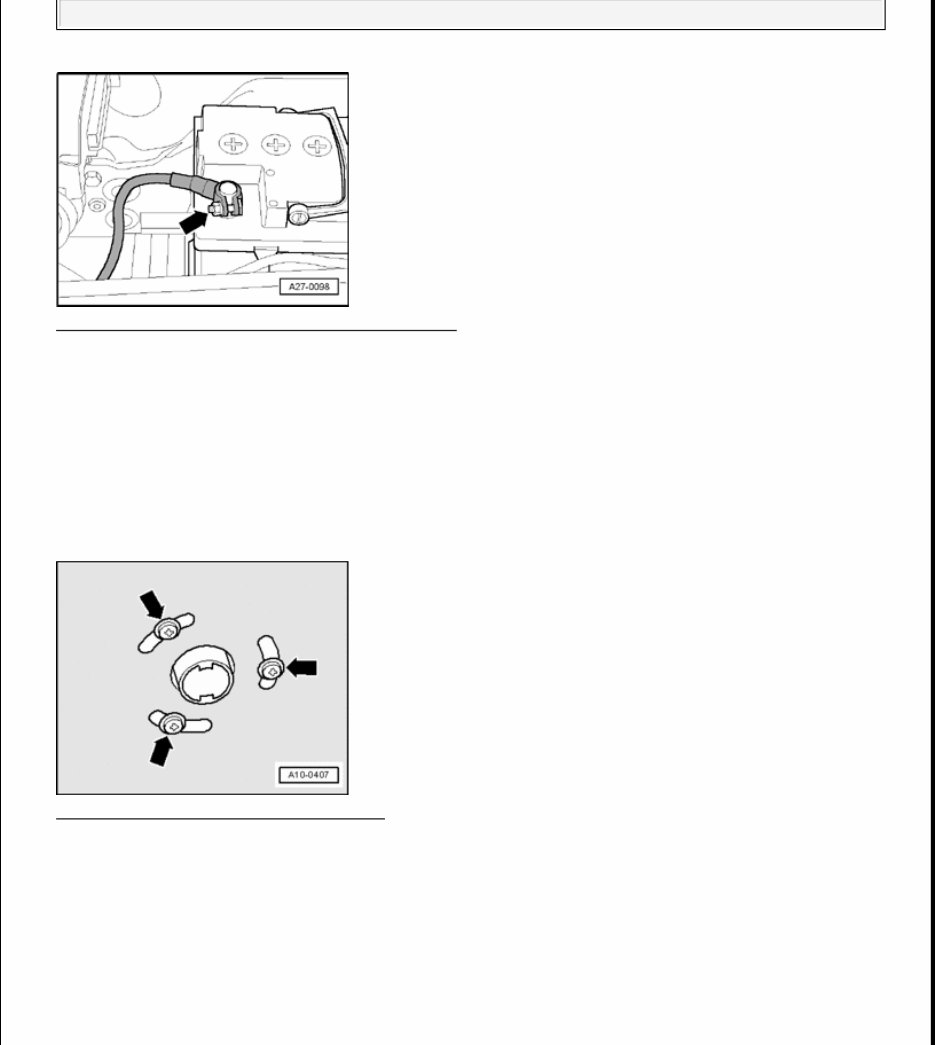
Fig. 1: Disconnecting Battery Ground (GND) Strap Courtesy of VOLKSWAGEN UNITED STATES, INC. With ignition switched off, disconnect Battery Ground (GND) strap - arrow -. Open cap of coolant expansion tank. Remove both front wheels. Fig. 2: Identifying Exhaust Pipe Fasteners Courtesy of VOLKSWAGEN UNITED STATES, INC. For vehicles with auxiliary heater, remove bolts - arrows - for exhaust pipe of parking heater/auxiliary heater on noise insulation. CAUTION: Cover cap of expansion tank with rag and open carefully, as hot steam i.e. hot coolant may escape when opening. ENGINE 2.0 Liter 4-Cyl. 4V Turbo Engine Mechanical, Engine Code(s): BPG, BWT
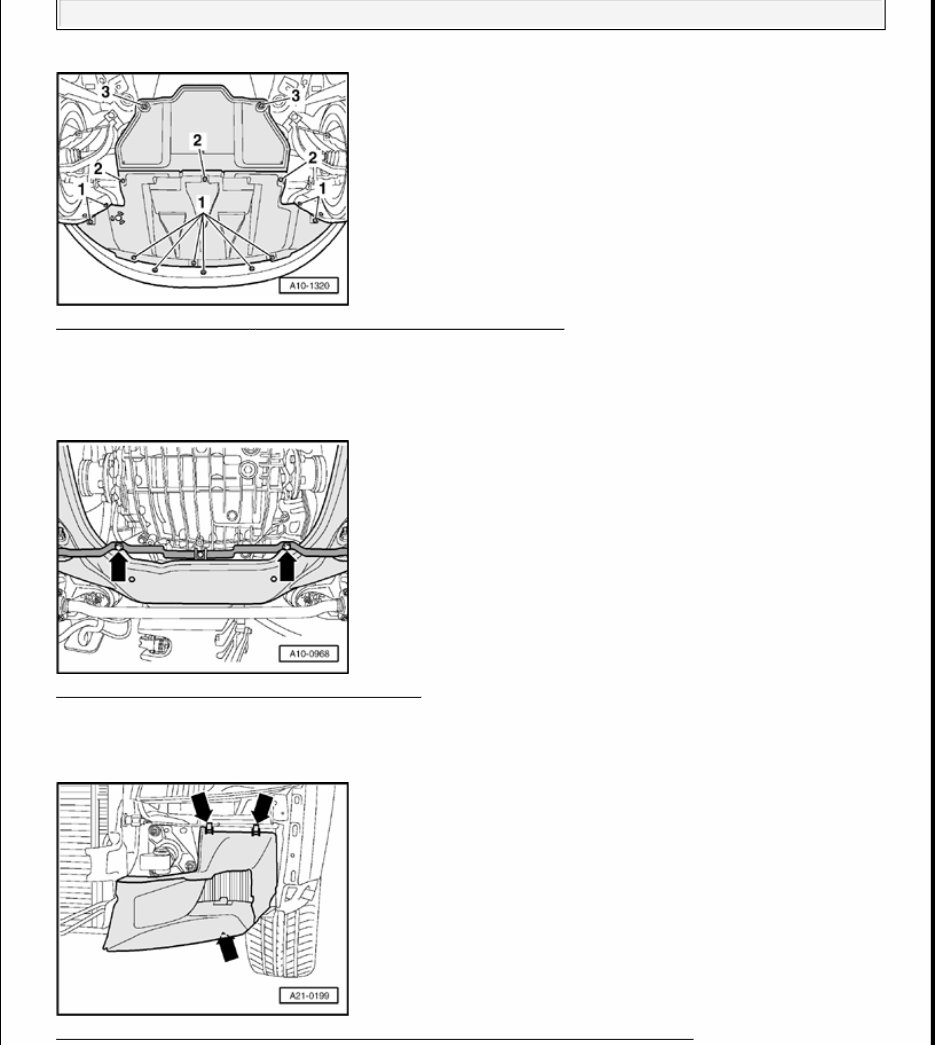
Fig. 3: Identifying Quick - Release Fasteners And Noise Insulation Courtesy of VOLKSWAGEN UNITED STATES, INC. Loosen quick-release fasteners - 1 - and - 2 - and remove front noise insulation. Remove quick-release fasteners - 3 - and remove rear noise insulation, if installed. Fig. 4: Removing Bracket For Noise Insulation Courtesy of VOLKSWAGEN UNITED STATES, INC. Remove bracket for noise insulation - arrows -. Fig. 5: Removing Air Guides From In Front Of Charge Air Coolers At Left/Right ENGINE 2.0 Liter 4-Cyl. 4V Turbo Engine Mechanical, Engine Code(s): BPG, BWT
The 2008 Audi A3 Download Service & Repair Manual is a comprehensive guide designed to assist Audi A3 owners in maintaining and repairing their vehicles. This manual provides detailed instructions and diagrams for various service procedures and repairs, ensuring that owners have the necessary information to effectively maintain their Audi A3.
The manual covers the 2008 Audi A3 model and includes information on:
Engine maintenance and repair
Transmission and drivetrain
Electrical system
Heating and air conditioning
Suspension and steering
Brakes and ABS
Body and interior
Diagnostic codes and troubleshooting
And more
With this download service and repair manual, Audi A3 owners can save money by performing their own maintenance and repairs. It provides step-by-step instructions, illustrations, and diagrams to guide owners through the process, ensuring that they have access to all the necessary information to keep their Audi A3 running smoothly.
Whether you are a DIY enthusiast or a professional mechanic, the 2008 Audi A3 Download Service & Repair Manual is an essential tool for maintaining and repairing your vehicle.



 Lifetime Access